Iran's rial crashes through 2.2 million to the dollar as Navy deaths from US strikes resurface
A wartime currency collapse, a confirmed Iranian Navy casualty toll, and more than $1bn in fresh oil revenue land within hours of each other. The contradictions are the story.
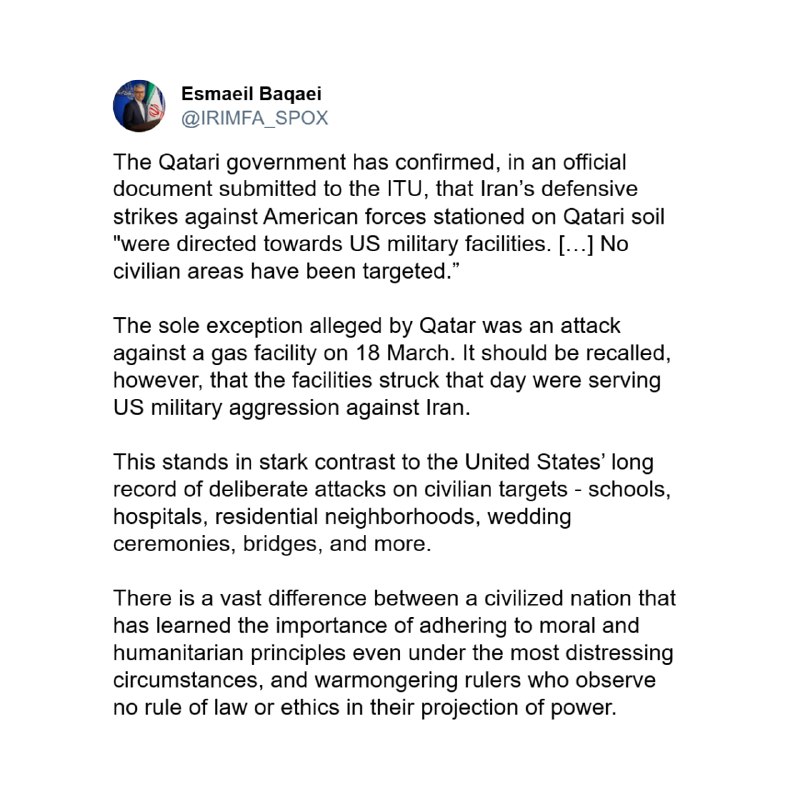
Six Iranian Navy personnel were killed in US strikes on locations in southern Iran on 1 September, Tehran confirmed on 3 September, per a Telegram post by Clash Report citing Iranian official statements. The disclosure lands in the same news cycle in which the rial punched through a fresh record low of more than 2.2 million per US dollar, and Iran booked more than $1bn of new oil revenue into foreign reserves over the eleven days to 2 September. The arithmetic does not add up cleanly, and that is precisely why it matters.
The pattern across these three data points reads as a wartime financial state under live stress: a military front absorbing kinetic hits, a currency market registering the political cost, and an export sector quietly monetising the crisis. Monexus analysis: each piece is being reported separately, but they belong on the same ledger. The question is who inside Iran is arbitraging the gap, and for how long the regime can sustain a defence budget, a subsidy bill, and a de facto free-fall exchange rate at the same time.
What Tehran has now confirmed
The casualty confirmation came via Telegram channel Clash Report, which on 3 September relayed Iranian official statements that six Navy members died in US strikes on southern Iranian targets two days earlier. The available source items do not specify which facilities were struck, the branch of Iran's Navy involved, or whether the dead were regular servicemembers or IRGC Navy affiliates, who operate in parallel. Iranian military communiqués in past operations have typically drawn a sharp line between the Islamic Republic of Iran Navy (regular service) and the IRGC Navy, and the distinction carries sanctions and command implications. The source items likewise do not name a US unit, weapon, or operating command. Monexus has not independently corroborated the casualty figure from a second wire at this hour.
The currency is moving faster than the story
Within minutes of the casualty news, The Cradle Media reported on Telegram that Iran's rial had broken above 2.2 million per US dollar on free-market trackers, having lost roughly ten percent of its value in a single session. Both URL variants of the post, the lower-case and CamelCase handles, carried identical text on 3 September.
That is a wartime-grade move on a currency that has been on a managed slide for years. Two things make this print different from the previous bouts of rial weakness. First, the speed: the previous major threshold losses took quarters, not hours. Second, the public venue. The depreciation is being reported by outlets sympathetic to the Iranian framing of regional conflict, which suggests the price discovery is happening on the open market rather than in state-administered channels. The available source items do not specify whether Iran's central bank intervened in the forex market on 2 or 3 September. Monexus analysis: a central bank that is intervening visibly tends to be quoted doing so; silence on the question usually means the firehose has been left on.
Oil revenue is still finding a way out
The counter-intuitive data point came from Middle East Eye on 3 September, citing the semi-official Fars news agency: Iran booked more than $1bn in oil revenue into reserves over the eleven days to 2 September. That is a striking sum under any sanctions regime, and a particularly striking sum during a week of US strikes on Iranian territory.
The structural reading is that Iran's shadow export fleet and the buyers willing to settle in yuan, dirham, rupee, and increasingly bitcoin-adjacent rails have built up enough redundancy that a kinetic spike does not automatically choke off the tap. It also indicates that whatever sanctions enforcement is currently operating is being routed around faster than it is being tightened. The available source items do not specify the named buyers, the receiving banks, or the destination ports; Middle East Eye's post cites Fars, which is itself a relay of Iranian oil ministry positioning. Treat the headline figure as the news, and the underlying flows as the unverified part.
What this is, and what it is not
Strip the three data points back and the configuration is familiar from previous sanctions episodes: a sanctioned state under kinetic pressure, with a collapsing domestic currency, an export sector that is somehow still clearing dollars, and a government that is at once admitting losses and announcing revenue. The unusual feature this week is that all three are being disclosed within a tight window and by sources that, in ordinary times, would not coordinate.
The counter-narrative worth naming is the optimistic one, namely that Iran's revenue line demonstrates resilience and that the rial move is noise. The dominant reading still holds, on the evidence available: revenue of more than $1bn over eleven days does not offset a currency that is losing a tenth of its value in a session, particularly when that currency is the unit in which domestic fuel, bread, and wages are priced. A $1bn reserve add is a buffer; a 2.2 million rial print is a price.
The forward file is small. Watch for an Iranian central bank statement, which would mark the moment the regime judges the slide politically intolerable. Watch for a second wire confirmation of the Navy casualty count, which would convert the Clash Report figure from a relay into a corroborated fact. Watch for Fars or IRNA to publish the destinations of the $1bn in fresh revenue, which would convert that headline from brag to evidence. Until any of those moves, the contradiction sits where it landed on 3 September, with a country at war, a currency in free fall, and an oil sector still taking payments.
Desk note: Monexus framed the three threads as a single ledger rather than three separate stories, on the assessment that isolating them flattens the signal. The casualty count is treated as Iranian-confirmed pending independent wire corroboration; the rial print is treated as a free-market print; the oil figure is treated as Fars-relayed pending an underlying customs or ministry disclosure.
Wire provenance
This editorial synthesis draws on the following public wire/social posts:
- https://t.me/ClashReport/94898
- https://t.me/thecradlemedia/67310
- https://t.me/TheCradleMedia/67310
- https://www.middleeasteye.net/live-blog/live-blog-update/iran-adds-more-1bn-oil-revenue-foreign-reserves?topic=War%2520on%2520Iran&nid=442386&fid=557895
- https://x.com/MiddleEastEye/status/2095466622651682918
- https://t.me/ClashReport/94898
- https://t.me/thecradlemedia/67310
- https://t.me/TheCradleMedia/67310
- https://www.middleeasteye.net/live-blog/live-blog-update/iran-adds-more-1bn-oil-revenue-foreign-reserves?topic=War%2520on%2520Iran&nid=442386&fid=557895
- https://x.com/MiddleEastEye/status/2095466622651682918