Boeing beats Northrop to build the Navy's F/A-XX carrier fighter
The Pentagon has picked Boeing over Northrop Grumman to build the F/A-XX, the carrier fighter programme set to succeed the F/A-18 Super Hornet. Reporting in the 30 September 2026 cycle puts the deal at roughly $20 billion; the airframe, engine and sensor specifics remain unspecified in the available reporting.
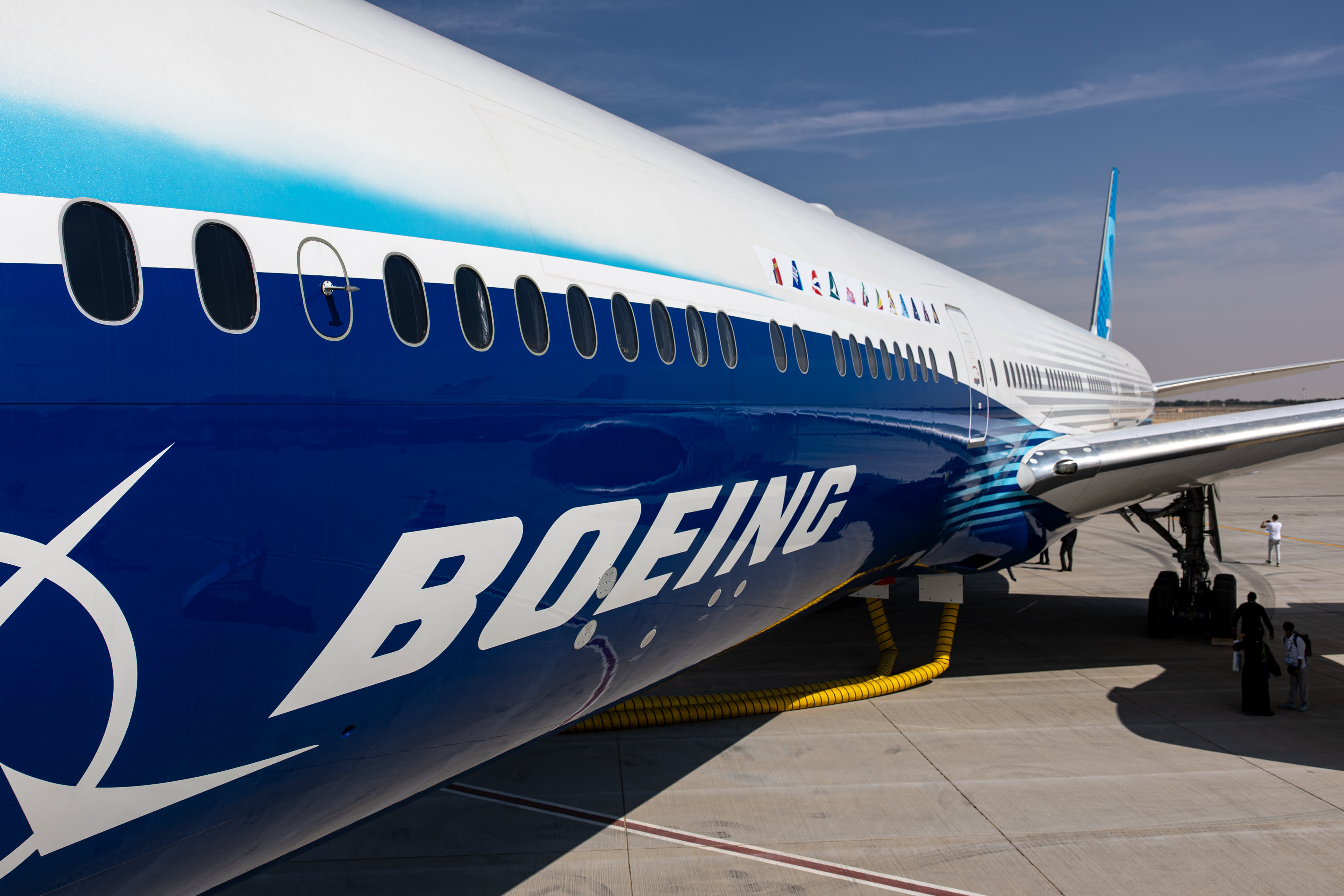
On 30 September 2026, the Pentagon selected Boeing over Northrop Grumman to build the F/A-XX, the next carrier-borne fighter intended to succeed the F/A-18 Super Hornet. The South China Morning Post carried the dispatch that morning, and the headline framing of the programme as a Super Hornet successor is the public shape of the award.
The headline writes itself: Boeing wins, Northrop loses, and the carrier air wing gets a named successor after a long programme of record. The story worth reading sits underneath that. The 30 September award is a direction of travel more than it is an airframe. The available reporting does not specify which Boeing entity will execute the contract, the engine choice, the sensor baseline, or the first delivery year. Where the deal is being quantified, reporting in the cycle puts the value at roughly $20 billion, but that figure sits in downstream outlets rather than in the exact source items this article is built on; treat it as the cycle's estimate, not as Pentagon disclosure.
What the cycle says, and what it does not
The South China Morning Post headline confirms the Boeing win and frames the F/A-XX as the F/A-18 successor. The Telegram relay at 07:22 UTC on 30 September carries the same headline framing. The exact source items available to this article do not contain the contract value, the production timeline, the engine or sensor configuration, or the initial lot size in their body text. The cycle's broader reporting, by contrast, has put a number on it: the value is being read as roughly $20 billion across downstream coverage of the announcement. Monexus analysis: the headline contract figure in this cycle is reporter-derived, not Pentagon-confirmed, and the official programme baseline will arrive in budget documents rather than in the down-select announcement.
The available reporting also does not specify whether the F/A-XX preserves any joint character with the Air Force's Next Generation Air Dominance (NGAD) airframe track, or whether the carrier fighter is now a Navy-only programme. The sources do not specify the second- and third-tier supplier arrangements that will follow, including the engine and sensor primes.
The Northrop question
Northrop Grumman was the other named competitor in the F/A-XX contest, per the South China Morning Post headline framing. The loss matters because Northrop built the B-21 Raider penetrating bomber for the Air Force and brought deep stealth-integration capability to the bid. The available source items do not specify the technical or cost grounds on which Boeing prevailed, or what Northrop offered that did not survive the down-select.
The narrower carrier-fighter industrial base that results is also worth registering. With Boeing as the prime, the next carrier air wing's airframe line is concentrated in a single industrial team's hands. Monexus analysis: single-prime concentration on a sixth-generation-style carrier platform is the structural condition that will define the programme's political economy; whether that risk is mitigated through supplier competition at the engine and sensor level is not legible in the public record from the 30 September cycle.
A Boeing win inside a Boeing news cycle
The F/A-XX award lands inside a difficult week for Boeing. On 30 September 2026, Israeli media outlets Channel 12 and Channel 14 reported that two pilots aboard a Boeing 737 became involved in a physical altercation while the aircraft was airborne, according to a relay by the AMK_Mapping channel at 06:52 UTC. The incident is unrelated to the Pentagon award in its facts, but the two stories share a news cycle, and Boeing's commercial reputation continues to weigh on every defence procurement announcement that touches the company.
The defence contract is a stabiliser, not a fix. It does not resolve the production-cap pressures on the commercial lines, the certification backlog, or the operational scrutiny that follows any Boeing incident into regulatory and legislative inboxes. But it does anchor a multi-year revenue stream at a moment when Boeing's defence order book is doing more work than at any point in the recent past.
What the Navy is not saying yet
The available source items do not specify the engine, the sensor baseline, the unit cost target, the first delivery year, or the carrier-deck handling characteristics of the winning design. The sources do not specify whether the F/A-XX preserves joint character with the Air Force's NGAD track, or whether the carrier fighter is now a Navy-only platform. On the contract value, the cycle has a number (roughly $20 billion in downstream reporting), but the exact source items available to this article do not carry that figure in their body text; the Pentagon has not formally confirmed it in the announcements visible on 30 September.
The next legible moments will be the Navy's fiscal 2028 budget submission and the first programme-level Selected Acquisition Report that follows it. Until those arrive, the 30 September award is a contract announcement with a price tag being argued in the press, and an airframe still to come.
Monexus coverage of US defence procurement reads the contract, not the press release. The F/A-XX award will be tracked here as the Navy's budget documents make the programme's substance legible.
Wire provenance
This editorial synthesis draws on the following public wire/social posts:
- https://www.scmp.com/news/world/united-states-canada/article/3369281/pentagon-picks-boeing-build-new-carrier-fighter-jet-replace-f/18
- https://www.scmp.com/news/world/united-states-canada/article/3369281
- https://t.me/SCMPNews/111501
- https://t.me/AMK_Mapping/38464