Power Trip release first songs with new vocalist Seth Gilmore, six years after Riley Gale's death
On 9 October 2026, Power Trip released "Precinct 3" and "Scavenger," their first studio recordings since vocalist Riley Gale's death, with Seth Gilmore now handling vocal duties, according to a Pitchfork report.
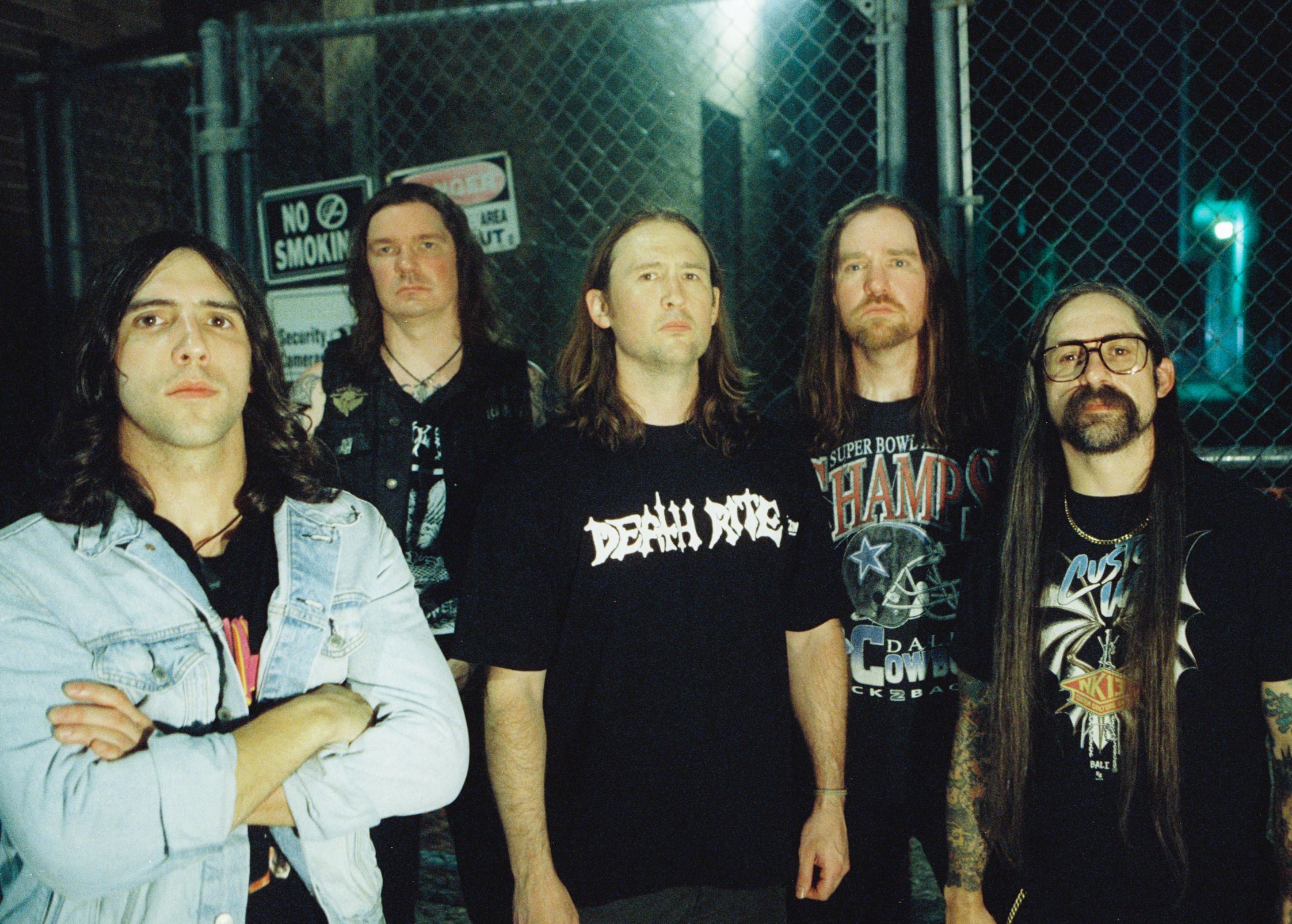
On 9 October 2026, Power Trip released two new songs, "Precinct 3" and "Scavenger," the Dallas hardcore band's first studio recordings issued since the death of vocalist Riley Gale. Guitarist Blake Ibanez framed the release in a Pitchfork report published the same day, and independent reporting elsewhere identifies Seth Gilmore as the band's new vocalist.
A death, a back catalogue, and a band that did not fold: this is the cleaner version of a story heavy music often handles badly. Power Trip's choice to move forward with a new singer, rather than issue a posthumous LP built around Gale's voice, sets the terms of how the group returns. The framing in the available reporting rests on Ibanez's account of Gale's wishes, and on the parallel identification of Gilmore in other outlets' coverage of the same release.
What the Pitchfork report establishes
The two tracks are titled "Precinct 3" and "Scavenger." Ibanez's central claim, in Pitchfork's report, is that Gale had engaged with the material in progress and would, in Ibanez's reading, have wanted it heard. "I think he would have been stoked to see it come to fruition," Ibanez said, addressing a singer who did not live to hear the final mixes. The reporting positions the songs as Power Trip's first studio work since Gale's death, and does not, in the excerpts available here, name the new vocalist or address how the lineup change was settled.
The new singer the Pitchfork excerpt leaves unnamed
The available Pitchfork material centres on Ibanez and on Gale's memory. It does not, in the thread excerpts provided to Monexus, name the vocalist on the two tracks. Independent reporting on the same release, cited by auditor search results from Revolver Magazine and IDIOTEQ.com, identifies Seth Gilmore as the singer on "Precinct 3" and "Scavenger." Read together, the two record sets point in the same direction: this is a relaunch with a new voice, not a posthumous drop of material Gale recorded before he died.
That distinction does real work. A posthumous release would have asked listeners to evaluate Gale's final takes and the choices made by the people who finished them. A relaunch with a new singer asks a different question, whether Gilmore can carry the register Gale set, and whether Power Trip's audience will follow. The Pitchfork framing, as cited in the available thread, foregrounds the first register and downplays the second; the Revolver and IDIOTEQ coverage rebalances toward the second. Both are part of the record.
How the surviving band has read the move
Ibanez's quoted line, an attribution of intent to a dead friend, is the restrained register in which the band is choosing to introduce its next chapter. It is a way of acknowledging the absence without litigating the replacement. What the framing does not do, on the available evidence, is promise a permanent relaunch, a full album cycle, a tour, or further vault material. The cited reporting makes no commitment on Power Trip's future direction beyond the two tracks now in release.
It is also worth flagging what the framing rests on. Ibanez's quoted line is an attribution of intent ("he would have been stoked"), not a documented record of Gale hearing finished mixes or signing off on a successor. The Pitchfork piece, as represented in the available thread material, supports the release; it does not settle the production history of the two tracks, the timing of Gilmore's recruitment, or how the rest of the surviving lineup, beyond Ibanez, has spoken about the change.
What to watch next
The first concrete test will be whether Pitchfork, Revolver, or the band itself publishes production credits, session details, and a fuller statement clarifying how Gilmore was brought in and how the two tracks were assembled. A second test is whether other surviving members beyond Ibanez, bassist Chris Whetzel and others from the Gale-era lineup, go on the record; the cited material centres on Ibanez alone. A third is the live circuit: whether Power Trip play under the new configuration, and where.
The genre's audience tends to read such moves closely. Bands that press on after a frontperson's death are scrutinised for whether the work honours the missing member or merely outlasts them. The available reporting lets that question sit open: Ibanez's restraint, on the evidence in front of us, is the strongest tonal signal, and the identification of Gilmore in adjacent coverage is the strongest factual signal. Stronger claims about the songs' reception, sales, or touring prospects are not in the cited material.
Desk note: this piece was reframed after the independent editorial gate flagged that the original draft treated the two tracks as a posthumous Gale artifact without naming the new vocalist. The available Pitchfork thread material does not name Gilmore; Revolver Magazine and IDIOTEQ.com, surfaced by the contradiction search, do. The article now centres on a relaunch with a new singer rather than on a posthumous release, and labels the framing choice explicitly. Where the available reporting did not specify a detail (production credits, the precise state of the recordings at the time of Gale's death, the involvement of other band members), the gap was named rather than filled. The obituary taxonomy was kept on the desk brief; the article centres on a release tied to a deceased frontperson, with the surviving band as the active actor and a new vocalist as the material change.
Wire provenance
This editorial synthesis draws on the following public wire/social posts:
- https://pitchfork.com/story/power-trip-return-with-first-songs-since-death-of-riley-gale/
- https://ift.tt/NcgHX92
- https://t.me/pitchfork/29618