The comedian, the coder, and the courtroom: what 'The Social Reckoning' actually reckons with
Aaron Sorkin's 'The Social Reckoning' arrives as Facebook's founder testifies on Capitol Hill. Bill Burr plays a stand-up comic who files the lawsuit that closes the platform for good. The film reads less like a sequel than a brief.
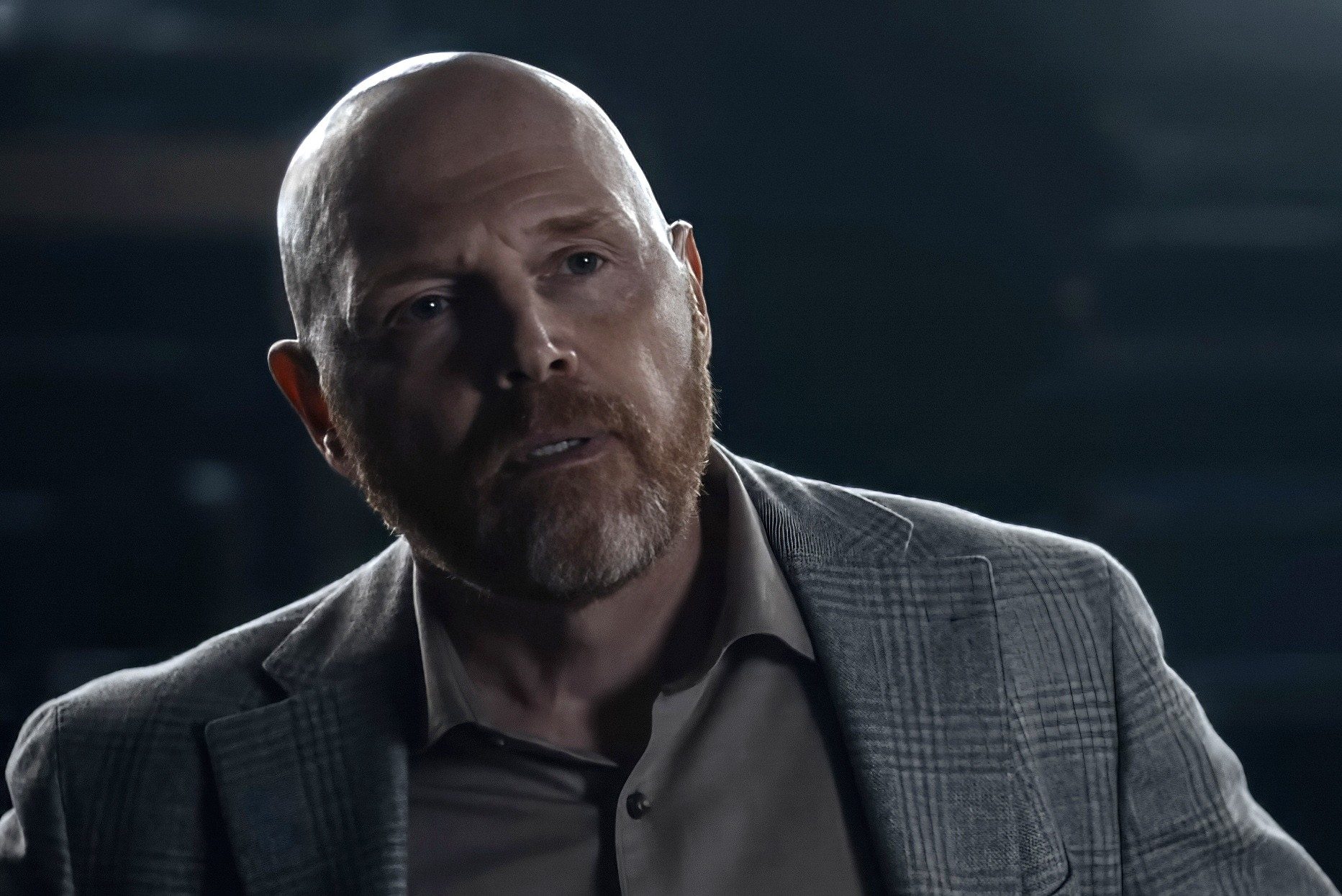
On 10 October 2026, Indiewire published an extended podcast conversation with Aaron Sorkin and Bill Burr about The Social Reckoning, Sorkin's new film in which Burr plays a stand-up comedian whose lawsuit against Meta forces the shutdown of Facebook. The same day, Sorkin was on Indiewire's separate stream explaining why the project is not a sequel to The Social Network but a continuation of the same question. Variety had published a long sit-down with Burr the day before, on 9 October, in which the comedian said tech executives are "leading us to ruin."
The release timing matters. The Social Reckoning lands while Mark Zuckerberg is on Capitol Hill answering questions about content moderation, election integrity, and the company's role in adolescent mental health. The film is no longer a parable. It is a piece of contemporaneous political theatre, and Sorkin and Burr have built it that way on purpose.
A comedian files the suit
Burr's character, described in Indiewire's 10 October account, is a touring comic whose posts have been suppressed by the platform. Per Indiewire's framing, the role lets Burr name the mechanism behind that suppression. In clubs, Burr says, you can call out a CEO. On the feed, the call-out itself is the post that does not circulate.
That is the legal hook. A suppression claim has to clear a high bar under Section 230 of the Communications Decency Act, which protects platforms from liability for third-party content. The Social Reckoning side-steps the immunity question by treating the suppression as a contractual and product-design dispute, not a speech claim. The mechanism, not the message, is the injury.
The Zuckerberg who exists in a film, and the one in the hearings
Jeremy Strong plays Zuckerberg. Strong's transformation is the subject of the 10 October Indiewire segment with Sorkin, in which the director describes the actor's preparation as "intense" and walks through the physical and vocal choices that distinguish the 2026 Zuckerberg from the 2010 model David Fincher filmed. Strong's Zuckerberg is older, softer in the voice, harder in the eyes. The arena suit is gone. The walk is slower. Sorkin, per Indiewire, wanted an executive who has stopped performing the visionary.
That detail lands because it is also the posture of the real Zuckerberg in this week's congressional record. The Zuckerberg who testifies in October 2026 has spent a decade learning to give fewer interviews, issue fewer manifestos, and let the product do the talking. Strong is not impersonating a 2010 tech founder. He is impersonating a 2026 one.
The Zuckerberg of the first film was an engineer at war with his investors. The Zuckerberg of the second is a sovereign at war with his public. The Social Reckoning is, in that sense, not a sequel about the social network. It is a sequel about the company the social network became.
A media reckoning, staged as a courtroom
Sorkin has always written the press room as a chamber of consequence. In The Social Reckoning, per the 10 October Indiewire piece, the courtroom is where the press room has ended up. The platform that displaced the old press is now itself on trial, and the lawyers arguing the case are reading from internal documents leaked by a former content-moderation contractor. The film's structural argument: when an infrastructure becomes load-bearing for public speech, the people who run it become, functionally, editors, and editors have historically been answerable to someone.
Burr's framing in the 9 October Variety interview sharpens the point. He tells the outlet that tech CEOs are "leading us to ruin," and frames the comedian's case as one in which the lead plaintiff is a working artist who lost distribution. The Variety piece notes Burr's three decades of stand-up and his reputation for political directness, and reads his casting as Sorkin's bet that audiences will accept the legal argument from a comic they already trust to say the blunt thing.
That choice has limits. A courtroom drama needs a remedy, and the remedy Sorkin supplies, full platform shutdown, is the film's most theatrical concession to dramatic form. The fictional shutdown works because it externalises what the actual litigation has been inching toward in pieces: structural separation, algorithmic audits, data-portability rights, and the slow unwinding of the Section 230 shield as currently drafted.
The film the platforms will read closely
The available reporting specifies the cultural brief. The Social Reckoning is built to be read, in the same news cycle, against Zuckerberg's congressional appearances. The film is therefore best understood not as a prediction but as a contemporaneous argument about which regulatory theory deserves the prestige of the screen.
Monexus analysis: the more interesting read is not whether the film will change Zuckerberg's behaviour. It will not. The interesting read is what the film tells us about who the cultural centre now believes should be allowed to sue a platform, and on what theory. The 2010 film took the company seriously enough to dramatise its founding. The 2026 film takes the company seriously enough to dramatise its end. The intervening decade, in Sorkin's account, is the period in which a product became a polity, and a polity became answerable.
That is also where the film's evidence base ends. Indiewire's 10 October coverage is promotional in tone and does not catalogue prior art, comparative regulation, or the standing questions a real plaintiff would face. Variety's 9 October interview is rich on Burr's voice and thin on the legal record. Both pieces read as the studios would want them read: as a brief for the dramatic theory the film embodies. The brief is well-made. It is still a brief.
Desk note: Monexus treats studio-supplied interview material as primary on creative intent and secondary on technical legal claims. Where the Indiewire and Variety items describe the lawsuit at the centre of the film, this publication reads those descriptions as the filmmakers' theory of the case, not as a forecast of any pending litigation.
Wire provenance
This editorial synthesis draws on the following public wire/social posts:
- https://www.indiewire.com/features/podcast/bill-burr-the-social-reckoning-explained-1235221244/
- https://t.me/indiewire/33135
- https://t.me/indiewire/33131
- https://variety.com/2026/film/news/bill-burr-the-social-reckoning-zuckerberg-1236907159/