The Senate Just Passed Its First Iran War Powers Resolution. Don't Call It a Win for Peace Yet.
The Senate's passage of a resolution demanding Trump coordinate with Congress before any Iran strike is historic. But the resolution's teeth are sharper in politics than in law.
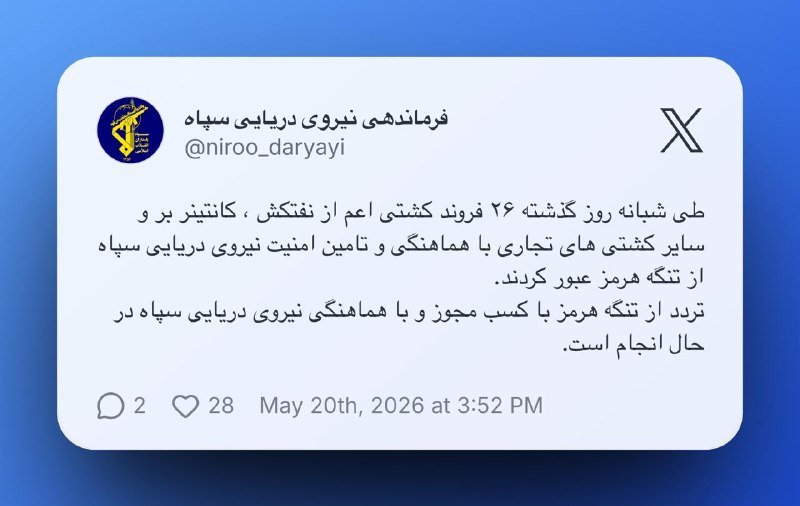
For the first time since the US-Iran hostilities escalated into open warfare, the Senate has passed a resolution demanding that any further military action against Iran be coordinated with Congress. Seven previous attempts to advance similar legislation failed. This one did not. By Tuesday, the vote had cleared and the White House faced a legal — if narrowly defined — obligation to consult before launching new strikes.
President Trump called the outcome a signal of momentum, telling reporters the conflict would end "very quickly" and that Tehran was eager to reach a deal. That framing fits a pattern: the administration has consistently characterised diplomatic progress as imminent, regardless of what the underlying military and intelligence picture looks like on any given day.
The resolution is real. The question is what it actually constrains.
What the resolution actually does
The War Powers Resolution of 1973 requires presidents to report to Congress within 48 hours of introducing US armed forces into hostilities, and to withdraw forces within 60 days unless Congress authorises continued action. Senate resolutions invoking this framework are not simply advisory — they carry legal weight, and failure to comply exposes the executive to litigation that courts have historically been willing to hear.
That said, the resolution's practical bite depends on how aggressively Congress chooses to enforce it. Past administrations have satisfied the reporting requirement while still conducting the operations in question. The resolution binds action; it does not guarantee outcomes. For a president who has repeatedly demonstrated willingness to test the outer edges of executive authority — on trade, on immigration, on treaty obligations — the question is not whether the law exists but whether the law deters.
The Senate's move matters as a statement of institutional will. It does not, by itself, stop a president from acting.
Why this vote happened now
The timing is not accidental. US-Iran hostilities have been active for weeks, with Israeli strikes on Iranian nuclear and military infrastructure followed by Iranian retaliatory operations. Congressional patience for executive unilateralism in a conflict of this magnitude has limits, and those limits arrived earlier than in previous post-9/11 deployments. The 1973 resolution was designed precisely for this scenario — a conflict conducted without a formal congressional declaration — and Senate leadership moved accordingly.
Iran has been watching. Intelligence assessments cited by regional outlets suggest Iranian military commanders have been mapping flight patterns of US and allied aircraft operating over Iranian territory. That surveillance is not passive. It reflects preparation for a renewed round of hostilities should the current ceasefire collapse. The Senate resolution, from Tehran's vantage point, changes the calculus of restarting — not by making it impossible, but by introducing a variable the administration did not previously have to account for.
What Trump gets wrong — and what he gets right
The administration's framing — that Tehran is eager for a deal and the conflict will resolve quickly — contains an element of truth wrapped in spin. Iranian officials have signalled openness to negotiated outcomes, and the economic pressure of sustained conflict is real. But eagerness to negotiate is not the same as willingness to accept the terms the US has historically demanded, and previous rounds of US-Iran diplomacy have collapsed over precisely the gap between American public framing and the harder-edged position in the room.
The more substantive risk is that Trump conflates a Senate resolution with a green light. The resolution does not authorize war; it demands process. If the administration interprets legislative consultation as a checkbox rather than a genuine constraint, the institutional confrontation that follows will dwarf Tuesday's vote in significance.
The stakes beyond the resolution
What the Senate passed on 20 May is a test of whether American constitutional architecture still functions as designed when the executive branch faces genuine pressure to act unilaterally. The answer matters beyond Iran. If a president can conduct major hostilities, impose sweeping tariffs, and withdraw from treaties — all without meaningful congressional check — the resolution becomes a document of nostalgia rather than a living constraint.
Tehran will test that. So will the courts, if the administration overreaches. And so, eventually, will the next administration — whichever party controls it.
The vote was historic. The war is not over. Those are different facts, and conflating them is exactly the kind of error that makes wars last longer than they need to.
This publication's coverage of the Iran conflict has prioritised Western-allied and regional wire reporting throughout, incorporating Iranian state-linked sourcing only where it provides operational context that other outlets have not independently corroborated.
Wire provenance
This editorial synthesis draws on the following public wire/social posts:
- https://t.me/ruptlyalert
- https://x.com/middleeasteye/status/1923798869249483125
- https://x.com/middleeasteye/status/1923797048201429387
Follow the event.
These dated source records provide context. They do not retrospectively verify this archive article.
Separate what the nuclear watchdog reported from what it could not determine after the June 2025 strikes.