Iran and US Trade Strikes Near Strait of Hormuz as Oil Markets Feel the Squeeze
The Strait of Hormuz has become the focal point of a widening Iran-US confrontation, with both sides conducting air strikes and Iran deploying naval assets to assert control over a corridor through which roughly a fifth of the world's oil flows.
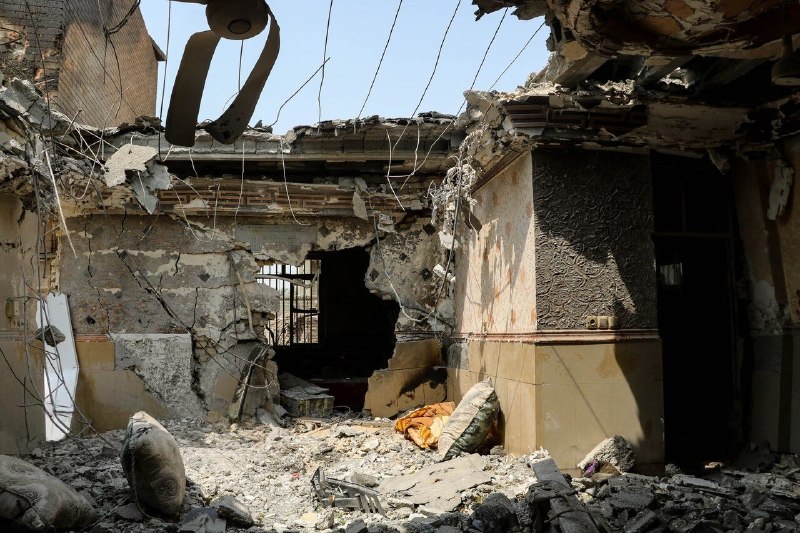
On 31 May 2026, the United States Navy imposed a blockade on the Strait of Hormuz. By the following morning, both sides had exchanged air strikes near the waterway. Iran deployed IRGC fast boats to patrol the passage around the clock, steering commercial vessels through and asserting what Iranian state media described as permanent control over the corridor. The escalation sent oil prices surging and put roughly a fifth of the world's daily petroleum shipments in the path of a direct US-Iranian military collision.
The immediate trigger remains contested. The US has not formally released the legal basis for the blockade, and Iranian officials have characterized the naval encirclement as an act of aggression warranting a defensive response. What is clear is that two established norms — American freedom-of-navigation operations and Iranian sovereignty claims over the strait — have collided with enough kinetic force to produce casualties and closed shipping lanes within forty-eight hours of each other.
What the strikes hit and why the strait matters
The US strikes targeted Iranian positions along the strait, according to wire reports citing the escalation. Iranian state-aligned outlets described the targets as coastal defence infrastructure. The exchange followed Iran's deployment of an IRGC vessel with plans to levy transit fees on commercial shipping — a move Tehran framed as enforcement of existing maritime law but which Washington called an illegal chokepoint imposition.
The Strait of Hormuz is not a disputed theoretical corridor. It is the only navigable passage between the Persian Gulf and the open ocean, and every major oil terminal from Saudi Arabia to Iraq to the UAE funnels product through it. Closing it — or even credibly threatening to close it — bids up tanker rates and oil futures instantly. Shipping insurers have already begun adjusting risk assessments for vessels transiting the corridor.
The Iranian position in plain terms
Tehran has argued that the strait falls under its jurisdictional authority and that American naval presence there constitutes illegal interference. This is not a new claim — Iranian officials have made variations of it for decades — but the practical assertion is new. Deploying fast boats to actively shepherd commercial traffic, rather than simply broadcasting territorial claims, converts a rhetorical position into an operational one. That operational shift is what prompted the US response.
Western analysts have noted that Iranian naval capacity is asymmetrical: the IRGC's small-boat tactics, anti-ship missiles, and mining capability are designed to make control of the strait costly for a much larger adversary, rather than to dominate it outright. The current deployment fits that doctrine.
Oil markets and the global exposure
By the evening of 31 May, global oil prices had surged in response to the blockade and the exchange of strikes, according to reporting on the disruption to supply. The correlation is straightforward: a corridor that moves twenty percent of the world's oil cannot be disrupted without downstream price effects. Traders priced in geopolitical risk premiums within hours of the blockade becoming public.
The exposure extends beyond oil. Liquefied natural gas from Qatar — the world's largest LNG exporter — moves through the same waterway. Any sustained interdiction affects energy markets across Asia and Europe simultaneously, since those regions are the primary destination for both Qatari LNG and Gulf crude.
What this means and what comes next
The immediate stakes are kinetic: further strikes, miscalculation, or a commercial vessel caught in the crossfire could expand the conflict beyond its current scope. The structural stakes are broader. An Iran that successfully extracts transit fees or controls traffic patterns in the strait establishes a precedent that other littoral states could invoke, fragmenting a maritime chokepoint that has operated under a relatively stable international framework for decades.
The United States has a documented interest in keeping the strait open and has used freedom-of-navigation operations to enforce that position for years. Tehran has a documented interest in using the strait's value as leverage against Western sanctions pressure. Both interests are now in simultaneous, active collision.
What remains unclear from the available reporting is whether either side has a defined exit condition — a point at which de-escalation becomes politically viable — or whether the current posture is designed to escalate until one party blinks. The oil market is already moving on that uncertainty. Commercial shipping will continue to move as best it can.
This publication framed the story around operational specifics — naval deployments, strike claims, and market signal — rather than leading with the diplomatic context, which remains sparse in the available wire reporting.
Wire provenance
This editorial synthesis draws on the following public wire/social posts:
- https://t.me/osintlive/2842
- https://t.me/CryptoBriefing/19291
- https://t.me/CryptoBriefing/19289
- https://t.me/CryptoBriefing/19290
- https://t.me/CryptoBriefing/19292
- https://t.me/CryptoBriefing/19288
Follow the event.
These dated source records provide context. They do not retrospectively verify this archive article.
Separate what the nuclear watchdog reported from what it could not determine after the June 2025 strikes.