Ghalibaf's 'other languages' warning lands as Iran–US diplomacy enters a tightening corridor
Iran's parliament speaker warned Washington that Tehran will switch from diplomacy if commitments break — a calibrated message that doubles as domestic political signalling as nuclear talks enter a fragile stretch.
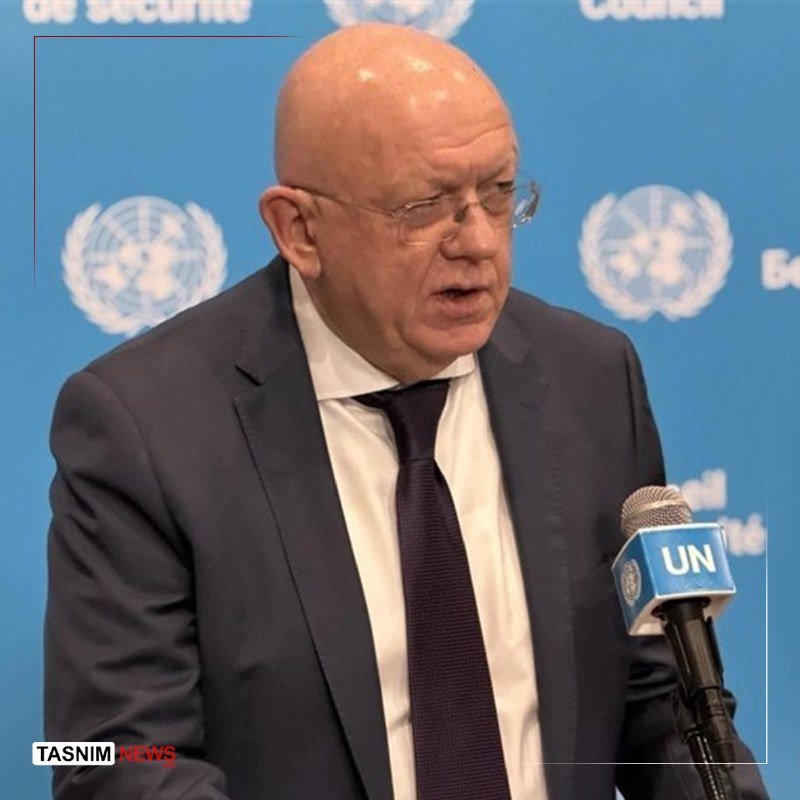
Iran's parliamentary speaker, Mohammad-Bagher Ghalibaf, issued a deliberately barbed reminder to Washington on Tuesday, 9 June 2026: Tehran prefers the language of diplomacy but reserves the right to switch to languages it speaks more fluently if commitments are broken. The line — carried by three separate war-watch channels in quick succession between 16:35 and 16:36 UTC — was simultaneously a threat, an assurance, and a piece of domestic political theatre. It was also a near-textbook indicator that Iran's negotiating posture is hardening in public even as the channel for talks remains technically open.
The remark matters less for what it reveals about Iranian doctrine than for the audience it was written for. Ghalibaf is not a diplomat and not a nuclear negotiator; he is a former IRGC commander who now controls the legislature. When a man in that chair speaks, he is speaking to three constituencies at once: the Americans, who are meant to hear resolve; the Israeli war cabinet, which is meant to hear a similar message; and the Iranian street, which is meant to hear that its leaders have not capitulated.
A familiar line, recalibrated
The phrase — diplomacy first, but other languages if commitments break — has surfaced in Iranian official discourse in various forms for years. What is different about the 9 June iteration is the timing. It comes against a backdrop of renewed indirect contact between Tehran and Washington, mediated through Omani and Qatari back-channels, and against an Israeli public debate about whether the current stretch of diplomacy is a window worth extending or a delay tactic to behead. The speaker's intervention does not break that channel. It tests it.
Israeli outlets have, in recent weeks, carried briefings from officials who argue that the Iranian negotiating position is closer to a freeze-and-stretch arrangement than a structural rollback. Israeli press commentary has flagged uranium enrichment levels, the pace of centrifuge cascades, and the unresolved question of missile-program restraints as the three fault lines where diplomacy is most likely to fail. Ghalibaf's remark does not address any of those specifically. It performs resolve, which is itself a signal: the legislative branch of the Islamic Republic is not in the business of softening the public framework around the talks.
The counter-narrative — restraint, not rupture
A second reading of the same statement is more reassuring. Iran is signalling that it has not walked away. The diplomatic channel remains the preferred instrument; the threat is conditional, not active. In that frame, Ghalibaf is doing what parliamentary speakers do in authoritarian–consultative hybrids: restating the boundaries of the bargaining zone so that negotiators can operate inside them without being accused of softness at home.
Iranian state-aligned coverage of the talks in recent weeks has been at pains to underline that no deal is in place, that no agreement has been signed, and that Iran's negotiating team retains the option of walking out. The speaker's language is consistent with that posture. It is also consistent with what Iranian outlets describe as a hardening of the European and American side of the negotiating table, where, in the framing favoured by Tehran, the other party is the one constantly moving the goalposts.
Structural position — what the message is doing
Strip away the rhetoric and the message is structural. Iran is signalling that the cost of a walkout is not asymmetric. The argument runs: if the United States or Israel concludes that military action is preferable to a bad deal, the Iranian side can credibly threaten a wider confrontation that extends from the nuclear file to the proxy axis. Whether that threat is real is a different question. Whether it is being made is not.
The structural condition that makes the threat plausible is the demonstrated ability of the Iranian system — and the regional axis it sits at the centre of — to impose costs on any party that strikes unilaterally. That condition has been visible to regional observers since at least 2024, and the Israeli and American public debates around Iran have moved further than Western headline coverage suggests towards acknowledging it. The result is a negotiating environment in which neither side can claim a cheap exit.
The other structural feature is timing. The remarks landed while the Iranian rial remains under pressure, while inflation and the cost of basic goods have been a recurring feature of domestic reporting, and while public frustration with the cost of living is a usable handle for any faction in Tehran. A speaker's office in that environment wants the negotiating team to come back with something that can be sold as the restoration of commitments, not as capitulation.
Stakes — who wins and who loses on the current trajectory
If the diplomatic track holds, the United States and Iran both claim the prize of having avoided a wider war; the International Atomic Energy Agency continues to play an inspection role, even if contested; and Israel is left arguing inside its own policy debate that the deal is not good enough and that the next round of pressure needs to come sooner rather than later. The risk in that scenario is that the Israeli security establishment's patience runs out before the negotiating process matures.
If the track breaks, the immediate beneficiaries are those inside the Iranian and Israeli systems who have argued that the other side was never negotiating in good faith. The losers are the populations on both sides of the line, and the wider regional order, which would absorb the second-order effects — Hormuz, oil markets, the proxy axis — without an obvious off-ramp.
The Ghalibaf statement does not, on the source material available on 9 June, adjudicate the question. It is a calibration. The next move belongs to the negotiators, and to the capitals that have so far kept the channel open.
What remains uncertain
The three Telegram channels that carried the speaker's remarks are useful for confirming that the line was issued and for tracing its spread, but they do not record the full speech, the audience, or the immediate response from any foreign government. The Iranian negotiator's office has not, on the source material available to this publication, commented. Israeli and American briefings on the talks are not, on the open wire, public in granular form. The honest read is that the statement is real and that the channel for diplomacy is still open, and that the next several days will be a more reliable guide to the direction of travel than the speaker's stage management on Tuesday.
This article distinguishes itself from the wire cycle by foregrounding the parliamentary speaker's role as a domestic-political actor inside a negotiating team, rather than treating the statement as a fresh diplomatic rupture. The wire cycle is currently running the remark as a threat; the more useful read is as a calibration.
Wire provenance
This editorial synthesis draws on the following public wire/social posts:
- https://t.me/GeoPWatch
- https://t.me/wfwitness
- https://t.me/ClashReport
- https://en.wikipedia.org/wiki/Mohammad-Bagher_Ghalibaf
- https://en.wikipedia.org/wiki/Joint_Comprehensive_Plan_of_Action
- https://en.wikipedia.org/wiki/International_Atomic_Energy_Agency
Follow the event.
These dated source records provide context. They do not retrospectively verify this archive article.
Separate what the nuclear watchdog reported from what it could not determine after the June 2025 strikes.