Hezbollah's southern Lebanon offensive, told mostly by Hezbollah
Three Telegram bulletins from Iranian-aligned outlets describe ambushes and close-quarters fighting in southern Lebanon. The only available footage and reporting on those engagements is coming from one side of the fight.
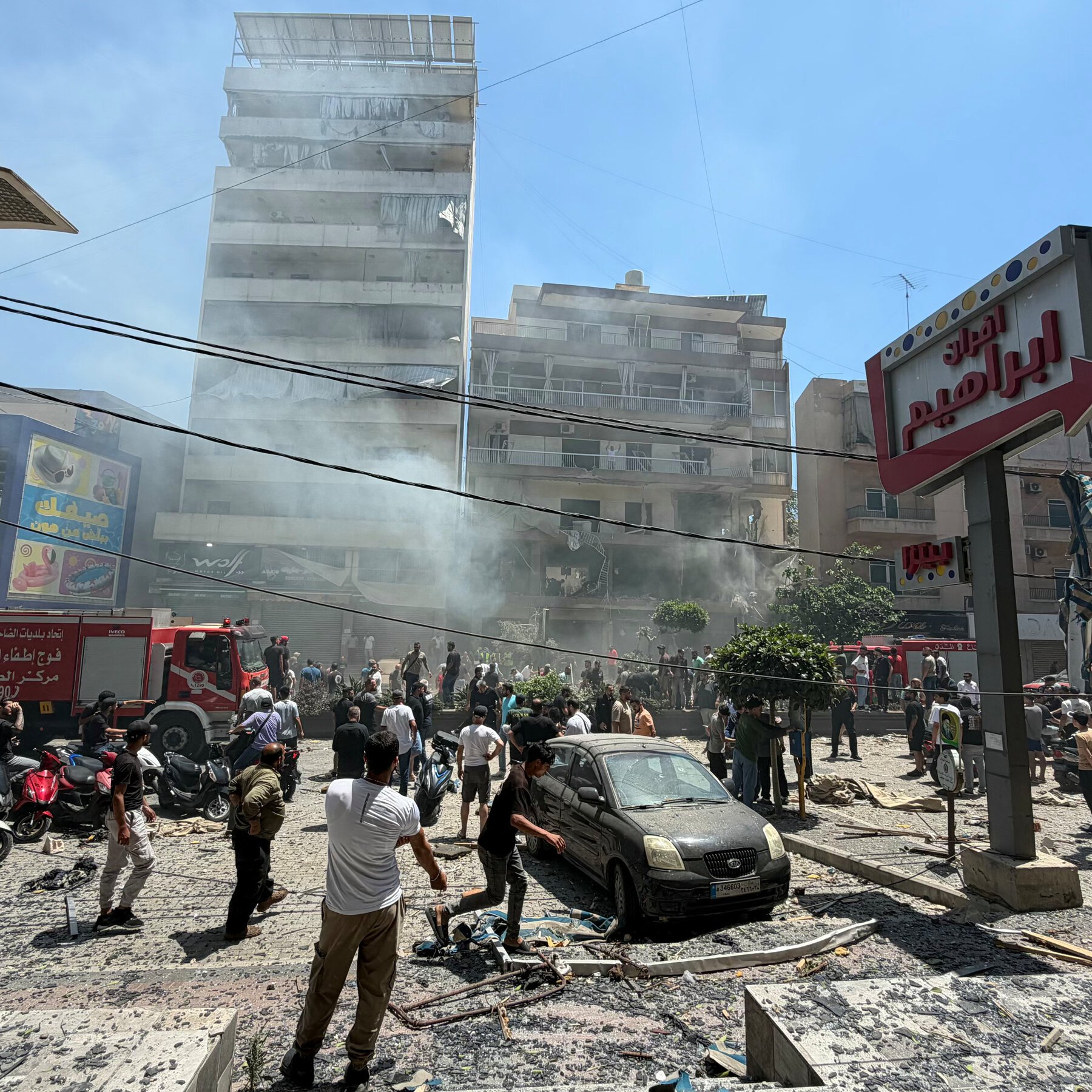
On the evening of 13 June 2026, three near-simultaneous bulletins from Iranian state-affiliated outlets Tasnim and the Jahan Tasnim channel described the same story: a Hezbollah ambush against an Israeli unit in southern Lebanon, close-quarters fighting in the town of Majdal Zoun, and a follow-on strike on what the outlets called "assembly points and armoured equipment" of the Israeli military. The earliest dispatch, timestamped 19:58 UTC, cited "images of heavy battles" inside Majdal Zoun. A second bulletin at 20:49 UTC claimed Hezbollah fighters had "grounded" an Israeli infiltration unit that was attempting to enter Lebanese territory. The third, at 20:56 UTC, framed the operations as a continuation of "crushing blows" against Israeli military positions.
What is striking is not the substance of the claims — clashes along the Lebanon-Israel frontier have been a feature of the post-ceasefire landscape for months — but the sourcing. The only on-the-record descriptions of these three engagements in this thread come from outlets that operate as de facto mouthpieces for the Hezbollah-Iran information ecosystem. Independent wire reporting, Israeli military spokesperson briefings, UNIFIL statements, and eyewitness accounts from non-aligned Lebanese outlets are not represented in the source material available to Monexus as of this article's publication window. Readers are being shown one half of a firefight, and the half that did the describing.
The information asymmetry on the border
Hezbollah-aligned media have spent two decades building a sophisticated communications apparatus that produces combat footage, claims of Israeli casualties, and narratives of tactical success within hours of any engagement. Tasnim's English wire and its Jahan Tasnim sister channel, both affiliated with Iran's state media architecture, serve as the international distribution layer for those Hezbollah claims. The 13 June bulletins fit the established pattern: a named town, a specific type of operation (infiltration attempt, ambush, close-quarters combat), and an outcome framed as a Hezbollah win.
What is missing is the corroborating layer. Israeli military briefings on the period — typically issued by the IDF Spokesperson's Unit within hours of cross-border incidents — would normally appear in Western wire copy and Israeli Hebrew and English outlets (Times of Israel, Ynet, Haaretz) on the same news cycle. UNIFIL statements on ceasefire-adjacent activity along the Blue Line, when they appear, usually come out within 24 to 48 hours. Neither is present in the source material for this piece.
Reading the framing the framing does to itself
The three bulletins use a consistent vocabulary: "Zionist regime," "Zionist occupiers," "infiltration unit," "crushing blows," "defensive operations." That lexicon is not incidental. It positions every Hezbollah action as reactive — defensive, in the bulletins' own terms — and every Israeli movement across the border as the initiating aggression. The "ambush" frame, in particular, inverts the standard Western wire reading of cross-border activity, which tends to characterise Hezbollah operations as offensive probes. Both readings can be true of the same incident depending on which side's territorial baseline you start from; the bulletins resolve that ambiguity by simply asserting one side's baseline as fact.
This is the structural problem with consuming conflict reporting from a single information pole. The events on the ground are real — combat footage, when it circulates, is usually genuine footage of something that happened somewhere — but the interpretive frame around those events is owned entirely by the party most invested in how the events are understood.
What we cannot tell from these bulletins
The source material does not specify: the size of the Israeli unit Hezbollah claims to have engaged; whether any Israeli soldiers were killed, wounded, or captured; the precise location within Majdal Zoun of the close-quarters fighting; whether the engagements occurred inside Lebanese territory, in the disputed border zone, or on the Israeli side of the Blue Line; the scale of Israeli retaliation, if any, in the hours following the claimed ambushes. Each of these is the kind of detail that, when present in the source feed, allows a reader to triangulate against Israeli and UN reporting. None of it is present here.
The bulletins also do not address the operational context — whether the 13 June activity sits inside a broader escalation cycle, a negotiation track, or a routine post-ceasefire pattern. Without that context, it is impossible to say whether the three bulletins represent an unusual spike, a routine day, or the visible tip of a larger operation that will become legible in days.
Why this matters beyond Lebanon
The Lebanon-Israel border is one of the most heavily reported conflict zones in the world, and yet, for stretches of any given news cycle, the only first-pass reporting in the public domain comes from one side's communications shops. Monexus does not assert that the Hezbollah-aligned bulletins are false. We note only that they are the only account on the record, that they carry a clear strategic interest in how the events are understood, and that the absence of independent corroboration in the immediate window is itself a piece of information. A reader who stops at the Tasnim feed on a Saturday night in mid-June will know what Hezbollah says happened. They will not know what happened.
Desk note: Monexus chose to publish the bulletin summary rather than rebroadcast the Hezbollah framing as news, flagging in-line that the only available sourcing for these three specific incidents is the Hezbollah-Iran information ecosystem. Once Israeli military spokesperson, UNIFIL, and independent wire reporting on the 13 June engagements is available, the desk will update the article with corroboration or contradiction.
Wire provenance
This editorial synthesis draws on the following public wire/social posts:
- https://t.me/tasnimnews_en
- https://t.me/JahanTasnim
- https://t.me/JahanTasnim
Follow the event.
These dated source records provide context. They do not retrospectively verify this archive article.
Separate what the nuclear watchdog reported from what it could not determine after the June 2025 strikes.