Tehran's 60-day clock: a bargaining posture, not a concession
Iran's foreign ministry is selling a 60-day timeline to negotiations. The number is doing more rhetorical work than diplomatic work — and the West should read it that way.
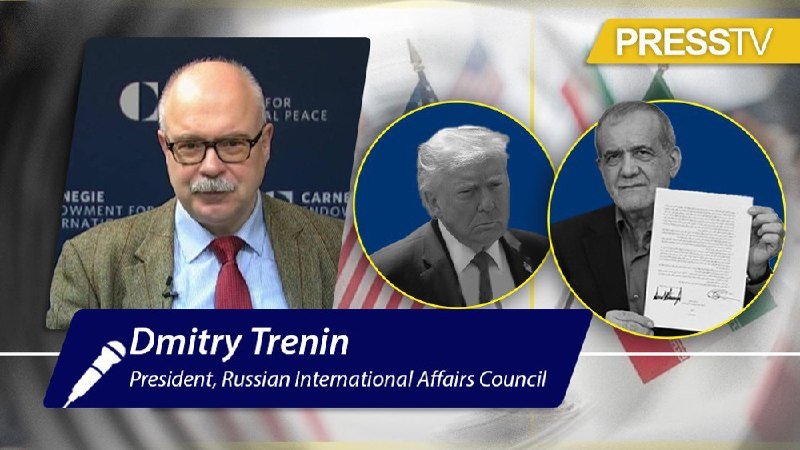
On 15 June 2026, the spokesperson for Iran's Ministry of Foreign Affairs, Esmaeil Baqaei, told reporters in Tehran that nuclear negotiations and the lifting of sanctions "will begin within 60 days." The same briefing insisted that Iran's legal positions on enrichment are anchored in the Nuclear Non-Proliferation Treaty, that the historical record of "American misdeeds" is the root cause of Iranian mistrust, and that national cohesion is the foundation supporting Iranian diplomacy in the field. Read together, those three lines describe a negotiating posture, not a negotiating outcome. The 60-day figure is being marketed as a concession. It is better understood as a deadline aimed inward.
What this publication is watching is not a breakthrough. It is the choreography of a public deadline. Tehran has, in effect, told three audiences at once — its own public, the European and Chinese intermediaries, and the United States — that the clock is running. The question is not whether talks begin in 60 days, but on whose terms, and whether the countdown collapses under its own weight first.
The number is the message
In sanctions diplomacy, deadlines are usually framed as ultimatums. This one is framed as a confidence-building gesture. That framing is itself the message. By anchoring the timeline in days rather than conditions, the foreign ministry has given itself two months to consolidate the political coalition at home, secure parliamentary cover for any concessions, and demonstrate to the street that the negotiating position has not been gifted away. The enrichment language is doing the same work: invoking the NPT asserts legal standing while leaving the technical ceiling undefined.
The 108-day reference — the gap since talks last paused — also matters. Tehran is signalling that the pause is over, that patience has been extended, and that further extension is not free.
The mistrust line is the real precondition
The harder precondition in Baqaei's briefing was not the calendar. It was the framing of American "misdeeds" as the structural cause of mistrust. That is a position that survives any single administration in Washington. It does not commit Tehran to treating the next round of talks as trust-restoring. It commits Tehran to treating the next round as trust-testing. The difference is not semantic. Trust-restoring talks produce compromises designed to be reciprocated. Trust-testing talks produce gestures designed to be observed.
This is the part of the briefing that Western analysts tend to under-read, because it sounds like boilerplate. It is not. It is the operating system.
The structural frame, in plain terms
What is being staged is not a grand bargain. It is the standard late-stage sanctions architecture: an incumbent hegemon holds the legal and financial instruments, a regional power holds the physical assets (centrifuges, fissile material, geography), and a third tier of states — China, Russia, the Gulf monarchies in their quieter mode, Turkey when it is minded to — provide the trade and financial plumbing that keeps the regional power from full isolation. In that architecture, deadlines are currency. The 60 days will be spent, in all likelihood, on the side channels: oil export routings, frozen-funds releases, banking-corridor pilots, and the quiet decisions about which Iranian entities get delisted and which stay parked.
The bigger question — whether enrichment capacity is constrained at all, and to what level — is unlikely to be answered by a public briefing. It will be answered by the technical annex no one reads.
What the West should — and should not — read into this
The temptation in Washington and the European capitals will be to read the 60 days as progress. That would be premature. The optimistic reading is that Tehran is buying time to negotiate seriously. The pessimistic reading is that Tehran is buying time to consolidate the domestic position so that any eventual deal can be sold as a victory rather than a capitulation. Both readings are consistent with the same set of public statements, and that is precisely the point of the statements.
The serious section: if the 60-day window closes without movement, the default trajectory is not war. It is drift — more enrichment, more sanctions enforcement, more quiet trade with the Global South, and a slower erosion of the non-proliferation regime that no one will be able to name as a collapse until long after it has happened. That is the scenario worth planning against, because it is the one that does not require anyone to do anything dramatic, and it is the one most likely to unfold.
The kicker
A 60-day clock announced at a press briefing is a piece of theatre. Theatres can produce real outcomes, but only when the actors on stage know their lines and the audience has decided to suspend disbelief. On the evidence of 15 June, Tehran knows its lines. The audience in Washington has not yet decided.
Wire provenance
This editorial synthesis draws on the following public wire/social posts:
- https://t.me/tasnimnews_en
- https://t.me/JahanTasnim
- https://t.me/JahanTasnim
- https://t.me/tasnimnews_en
Follow the event.
These dated source records provide context. They do not retrospectively verify this archive article.
Separate what the nuclear watchdog reported from what it could not determine after the June 2025 strikes.