Brazil survive Japan's scare, but the age question won't go quiet
Gabriel Martinelli's stoppage-time winner spared Brazil an early exit in the round of 32, but the 2-1 win over Japan sharpened the question every Seleção supporter is asking: can an ageing squad actually go deep?
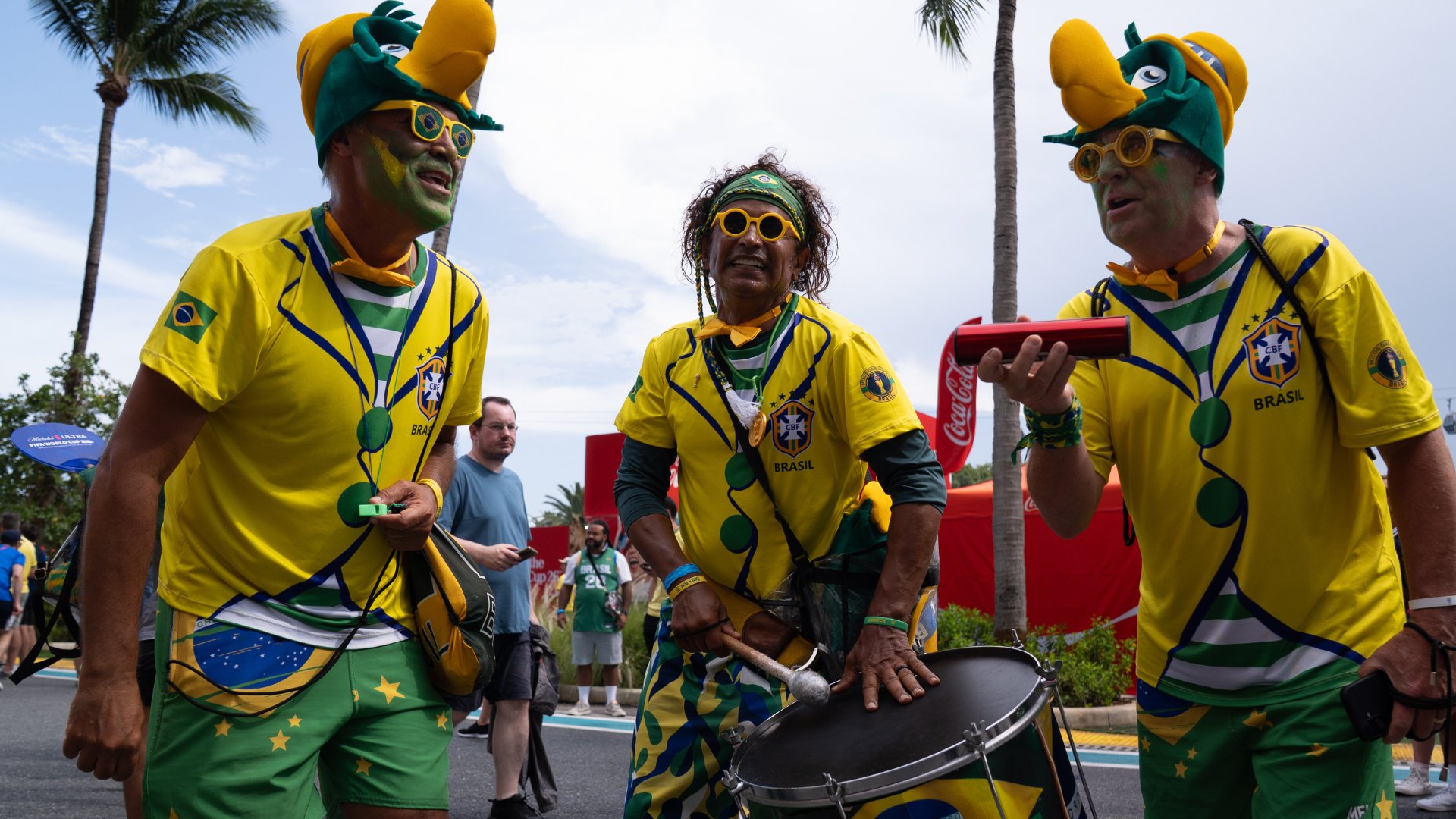
Gabriel Martinelli's 96th-minute strike rescued Brazil from a Japan-shaped upset on Saturday, sending the Seleção through to the World Cup round of 16 by the slimmest of margins. The 2-1 win at the round of 32, sealed deep into stoppage time, was neither comfortable nor convincing — and it landed on a fault line that has run under this Brazilian team since the squad was announced.
Brazil are through. They are also, by their own recent standard, conspicuously old in the spine. The victory papers over the structural concern, but it does not dissolve it. The next opponent — Norway or Ivory Coast, pending the other half of the bracket — will arrive expecting a side that can be dragged into a dogfight, which is precisely the kind of game Brazil no longer have a roster built to dominate.
The goal and what came before it
Japan went ahead early and defended the lead with the discipline that has become their tournament calling card. Brazil equalised through an established veteran — the precise identity of the goalscorer is not in the sourced match report, but the BBC's minute-by-minute confirms the late structure — and then turned to its younger bench to find the winner. Martinelli, one of the few Premier League-tested forwards in the squad, finished the move that broke Japan's resistance in the 96th minute.
The CBS Sports report on the Brazil–Japan match placed the win inside a longer cultural frame: the Seleção's stylistic identity, the samba-and-dance connection that has defined the brand for generations, persisting through a tournament in which the football has looked, at moments, more dutiful than divine. The juxtaposition is the story. Brazil's footballing mythology promises fluency; their performance data on Saturday promised only a result.
The age debate, sharpened
The ESPN analysis piece published alongside the match put the question bluntly: is Brazil's team too old to make a deep run? It is the right question, and it does not have a clean answer. Brazil's spine — the core of players who won continental honours and have carried the national team through two qualifying cycles — remains intact. The talent ceiling is high. The recovery curve is the problem. In a knockout tournament played at high altitude across multiple host cities, legs accumulate. Brazil's do not regenerate as quickly as Japan's.
Japan's display on Saturday was a reminder of the model. Their organisation, their willingness to concede possession and strike on transition, and their refusal to wilt under pressure reads as a deliberate coaching philosophy aimed squarely at the kind of compressed, physical knockout football that decides tournaments from the last 16 onward. Brazil played a team built for this format, and needed six added minutes to settle the question.
What the next round actually demands
The round of 16 is a different competition. Possession teams that can dominate transitions tend to break down sides that have already conceded a goal and are forced to chase the game. Brazil's ageing core is at its best in that script: an opponent forced to open up, space behind the back line, a moment of individual quality to decide it. Saturday offered exactly that — Japan, having scored, sat and counter-attacked; Brazil, late, found the corridor.
The structural risk is that the round-of-16 opponent does not play that way. A side that presses Brazil high and refuses to concede territory turns the match into a physical contest, and physical contests at this altitude punish the squad Brazil have actually selected. The depth chart offers some answers — Martinelli's introduction changed the game — but the starting XI does not look like a side built to win three more matches on that profile alone.
Stakes and what we still don't know
Brazil's path through the knockout bracket is now a referendum on the squad construction that preceded the tournament. If they progress past the round of 16 with another late goal, the age question will not be answered — it will simply have been deferred. If they fall to a pressing side, the analysis will harden into a settled view: this team was one cycle past its peak, and the federation knew it.
The narrow wins also obscure a real tactical question that the sourced reporting does not settle. The CBS cultural read on the Seleção's identity is suggestive but not diagnostic — it tells us what Brazil are supposed to be, not what they actually are on the pitch. The ESPN age analysis is suggestive in the opposite direction, raising the structural concern without naming the specific players whose minutes are the problem. Both readings can be true at once: Brazil remain a team whose mythology promises more than their legs currently deliver, and the tournament ahead will not wait for the gap to close.
What is not in dispute is the result. Brazil go through. Martinelli, the young finisher, supplied the goal. Japan go home having shown, again, that they are not the round-of-32 pushover the bracket implied. And the round of 16 now has a Seleção-shaped problem to solve before the next whistle.
Desk note: Monexus led with the late winning goal and the age question rather than the samba-and-style frame, on the view that knockout-tournament analysis should follow the tactical reality the match actually produced, not the cultural mythology surrounding it.