Funeral rites in Tehran: the language that pulls Washington and Tehran back from the brink
Mourners at the funeral of a senior Iranian official in Tehran chant against Trump. Theatre of grief and a reminder of why the next round of talks will be measured in millimetres.
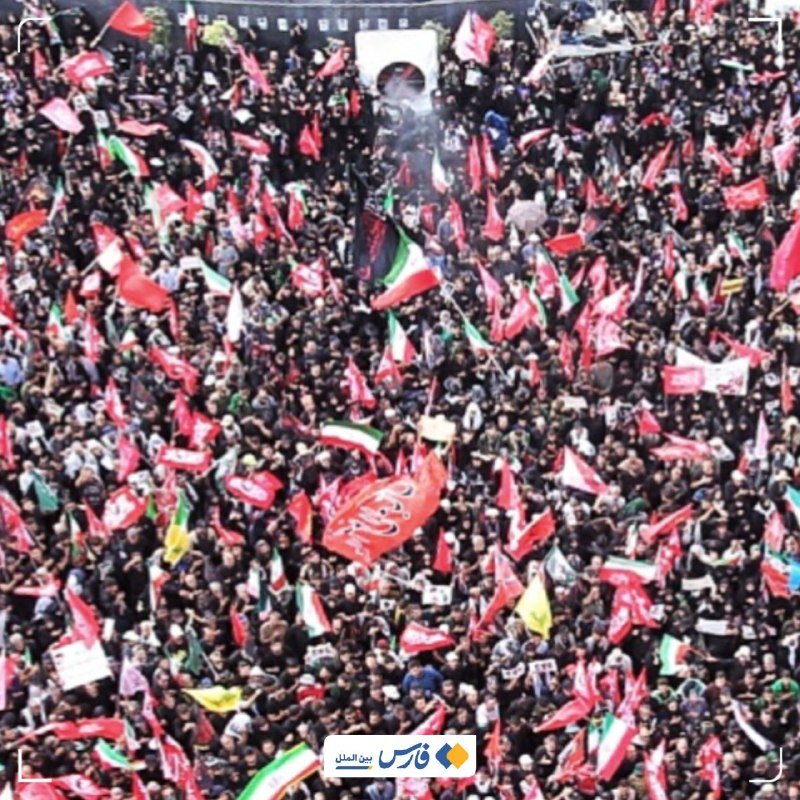
The scene inside the mosque
At 03:52 UTC on 5 July 2026, the reciter Haj Mehdi Samavati began passages from the Sharif Kasa hadith inside the Imam Khomeini Mosque in central Tehran, an hour before prayer over the body of an official the mourners were already calling sayyid al-shahada — "Mr. Martyr of Iran." Within minutes, the recitations gave way to chants. By 03:56 UTC, al-Alam's cameras caught the line that will frame the next 48 hours of commentary from both sides of the Gulf: "I swear by your blood, the murder of Trump is on our neck." By 04:00 UTC the crowd had moved on to the Shi'a rallying cry, "Haider, Haider."
The language is ritual, not improvisation. Shi'a mourning rites over a senior figure have, for four decades, carried a fixed political grammar: lamentation for the fallen, a vow to the slain that the killer will not go unpunished, and an explicit naming of the adversary. The structure survives every change of government and every round of diplomacy. The novelty here is not what is being said but that it is being broadcast, in real time, by the state-aligned al-Alam network — feed that Iran International and the Western wires were re-pulling within the hour.
The line being drawn
The vow is not a policy. It is a posture, and postures matter when the diplomatic traffic between Washington and Tehran is measured in millimetres. The funeral comes in the middle of an active channel: indirect talks reportedly brokered through Omani intermediaries, and a separate track of pressure that includes Houthi-front attacks on commercial shipping in the Red Sea and Israeli strikes on Iranian-proxy logistics in Syria and Lebanon. A US administration that wants a deal needs the Iranian street calm. A street that is performing rage at a martyr's bier makes any deal politically expensive for the clerics who would sign it. Chants at funerals are the visible part of a quiet calibration.
The structural frame
What looks like a moment of religious theatre is doing two things at once. It locks in a domestic constituency — the families of the slain, the basij volunteers, the bazaar clerics whose quiet acquiescence every negotiation requires — behind the language of vengeance, regardless of what the foreign ministry later concedes in a back channel. At the same time it sets a price on the deal for the White House: any agreement will have to be read in Tehran as a humiliation inflicted on, not inflicted by, the United States. Monexus has seen this geometry before — in the choreography of mourners after Soleimani's killing in January 2020, in the fatwa against Salman Rushdie that same year, in the parliament that voted the JCPOA hostile and supreme-interest binding. The Iranian system does not separate the negotiating track from the street. It holds both levers at once.
The Western reading tends to flatten this. Cable-news framing treats the chant as either sincere threat or empty theatre, then picks one and runs with it for 48 hours. The evidence on the ground supports a third reading: the chant is the noise the regime generates to cover the concessions it is about to make. It is the sound of a leadership buying itself deniability. The pledges made over a martyr's body are not promises to be kept; they are the receipts the clerical establishment needs in order to walk back into a room with American envoys and still come out claiming victory.
What remains uncertain
The sources available do not specify who the deceased is, the date of the killing, or whether any US actor is publicly named as perpetrator beyond the chants themselves. al-Alam and Mehr News are reporting the ritual; Reuters, AFP and the Western wires have not, in the thread context, added independent identification of the fallen official or of the US administration referenced. Iran International, typically the most aggressive English-language outlet on Iranian regime messaging, has not yet been looped in here. The claim that the chants were directed at Trump is sourced to the chants themselves; whether the White House has acknowledged the taunt is unverified in the materials at hand.
What we can say with confidence: at 03:52 UTC on 5 July 2026, mourners, a reciter, and two state-aligned cameras gathered inside a named mosque in central Tehran. By 04:00 UTC they had produced — together, on live broadcast — the precise vocabulary that diplomats on both sides of the Gulf will spend the next week parsing for signal. The parsers rarely agree. The dead, for once, are not in the room to clarify.
— Monexus Staff Writer, filed from the open sources. The wire here is two Iranian-state feeds; the Western wires had not yet confirmed identification of the deceased by publication time.
Wire provenance
This editorial synthesis draws on the following public wire/social posts:
- https://t.me/s/alalamfa
- https://t.me/s/alalamfa
- https://t.me/s/alalamfa
- https://t.me/s/mehrnews