Arthur Fery's Wimbledon run turns a British wild card into a quarter-final story
A British wild card has reached the Wimbledon semi-finals, and the easy explanation — late-career breakout, lucky draw — is not holding up to the tape.
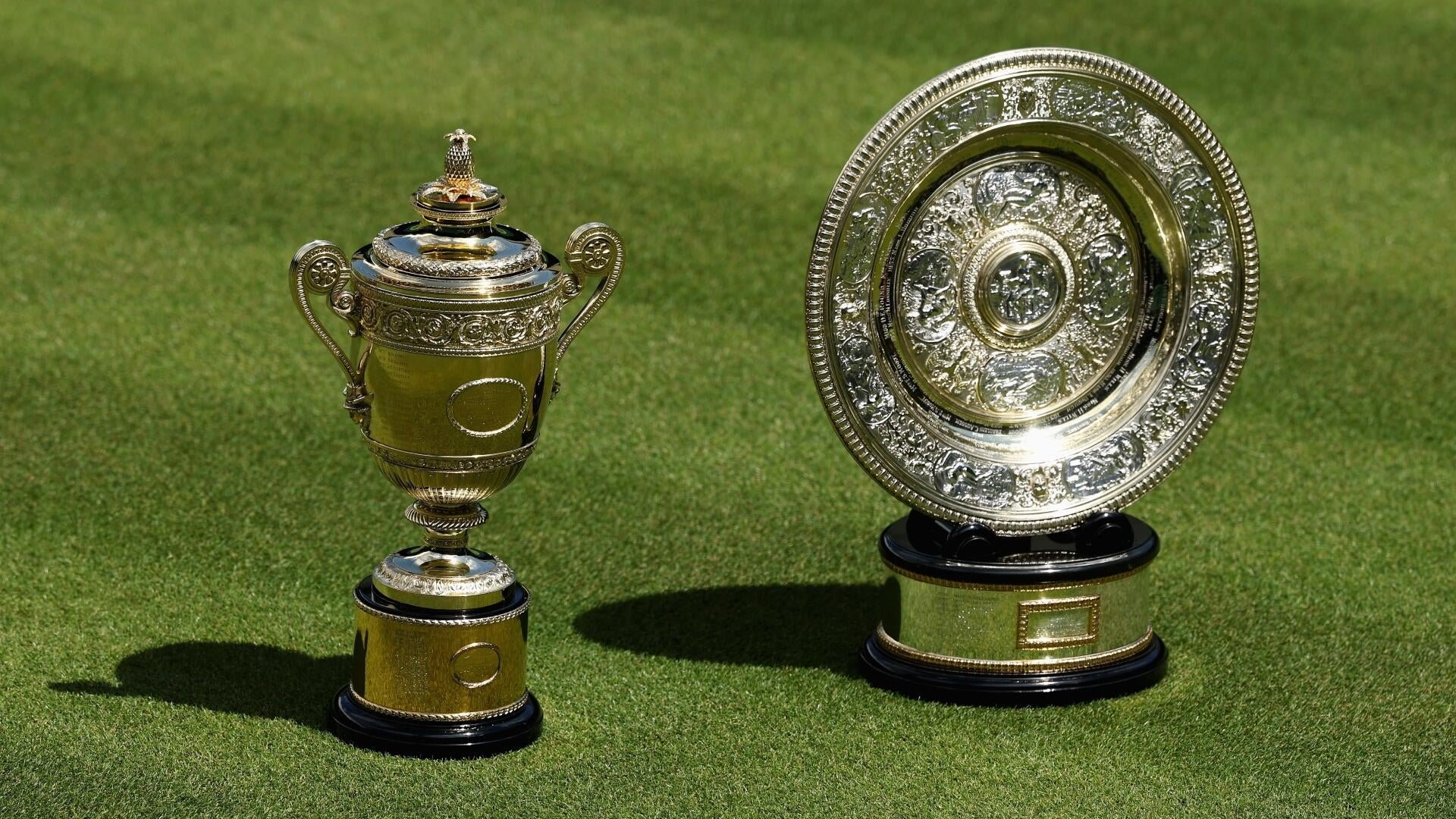
Arthur Fery is through to the semi-finals at Wimbledon, and the British sporting public is being asked to do something it is rarely asked to do: take a wild-card run seriously. The 21-year-old dispatched Flavio Cobolli in straight sets on day ten of the Championships, a result that vaults a player ranked outside the world's top 100 into the last four of a Grand Slam, and turns a feel-good footnote into the central story of the men's draw on 8 July 2026.
The temptation, of course, is to talk about momentum, about belief, about the magic of the All England Club. Tempting, and inadequate. Fery has now beaten higher-ranked opponents on three consecutive days, and the most plausible reading of the run is not that he has lost his mind and started playing above his level — it is that the gap between a top-100 tour regular and a wild card at a major is narrower than the rankings suggest, and that a confident left-hander with a live serve can weaponise the gap for a week.
A wild card, not a fairy tale
Fery is not a qualifier stumbling through. He was awarded his place by the All England Club, an arrangement that has produced one-week stories before — Emma Raducanu's run at Wimbledon in 2021 is the obvious recent reference — but which is, in structural terms, a hand-picked entry rather than a meritocratic one. The clubs that run the Slams retain the right to nominate players they judge ready for the occasion. The bet is reputational: the wild card either elevates the tournament's storylines or embarrasses the awarding body. The economics of the bet are real — wild cards trade on belief, but they cost the tournament nothing if they lose in round one and return almost nothing if they win.
The early rounds of this Championships, reported in the British press across 7 and 8 July, made the conventional case for Fery clearly. He had won a round, and then another, and the commentary frame settled into a comfortable shape: a young British player enjoying home support, refusing to overplay, taking the ball early. Day ten's win over Cobolli — an Italian seed in form — does not fit that frame any longer. Straight-sets wins over seeded opposition are not the product of crowd noise. They are the product of a player executing a plan against a player who also has a plan, and winning the execution battle.
The counter-narrative: form, not fate
The opposing read is straightforward and should be stated in its strongest form. Cobolli is in form, but he is not a top-ten player. Fery's serve, while dangerous, has not been tested against the heaviest hitters in the draw because he has not yet faced one. The draw has been kind. The run is real, but the strength of schedule behind it is thin, and a semi-final against a top seed will be the first time Fery walks onto Centre Court as the slight favourite. The fair reading is that the run, to this point, proves competence and composure. It does not yet prove that Fery is a top-tier player in waiting.
A more sympathetic version of the same caution is available. Wild cards at majors, by construction, beat players they should lose to roughly once a tournament, and the variance is high. A 21-year-old who peaks on day ten is not a sustainable project. The clubs know this, which is why the wild card is not, despite the framing, an attempt to manufacture a champion. It is an attempt to manufacture a story.
The structural frame: how Slams actually build their draws
The deeper question is what the wild-card system is for, and whether it is doing the job. Major tournaments have spent two decades tilting the entry rules in favour of veterans, prize-money growth, and protected rankings. The wild card is the counterweight — a small, politically allocated wedge of seats reserved for players the rankings system would otherwise exclude. The system rewards national federations and the marketing departments of the Slams themselves. It produces, in most years, a first-round loser.
What Fery's run exposes is that the system occasionally produces the opposite — and that when it does, the structure of the tour is not designed to handle it. There is no mechanism that lets a wild card's points tally catch up to the run itself in real time. The rankings update on a Monday. The story, if it continues, runs on a Wednesday. The gap between the two is the gap between the official record and the sporting reality, and it is the gap that makes the run legible to a public that has stopped trusting rankings anyway.
Stakes: a career, a calendar, and a question for the All England Club
If Fery wins the next match, the consequences are not abstract. The rankings points from a semi-final at a major are not the same as a wild card, and the draw at the next Slam will treat him differently. Sponsors, who priced him as a curiosity two weeks ago, will price him as an asset by Monday. The British tennis federation, which allocates the wild cards and absorbs the political heat when they fail, will be able to argue that the allocation is a tool of development, not a publicity stunt. The All England Club, which picks the recipients on grounds that have never been fully transparent, will be under pressure to explain how it identified the player it did.
The counter-stake is the tournament itself. Wimbledon, of all the Slams, has a self-image of restraint — whites only, grass only, a refusal to chase the surface diversity that has carried the Australian and US Opens. A wild-card semi-finalist is good for the product in the short term and corrosive to that self-image if it starts to look like the tournament is awarding places to players it expects to carry the story rather than the tennis.
What remains genuinely uncertain is the level Fery can sustain. Three straight wins against credible opposition, on a surface that compresses the gap between servers and returners, is the kind of data point that looks enormous in isolation. The semi-final will be the first test that does not reward the run itself. If he wins that, the structural question of what the wild card is for will move from the back pages to the front. If he loses, the easy frame — belief, momentum, the magic of the place — will close over the run again, and the All England Club will not be required to answer anything.
This piece foregrounds a player whose ranking position does not match his Championship form, and resists the temptation to retrofit the run into a redemption narrative. Where the British press has emphasised crowd and character, the structural question — what the wild card is for, and whether the system can absorb the answer — is the more durable story.