Gauff outlasts Pegula to reach a first Wimbledon semi, and the draw now hands her Muchova
A 22-year-old Gauff rallied past compatriot Jessica Pegula on 7 July 2026 to reach her maiden Wimbledon semi, where Karolina Muchova awaits in a clash the BBC frames as a referendum on the tour's most disruptive shotmaker.
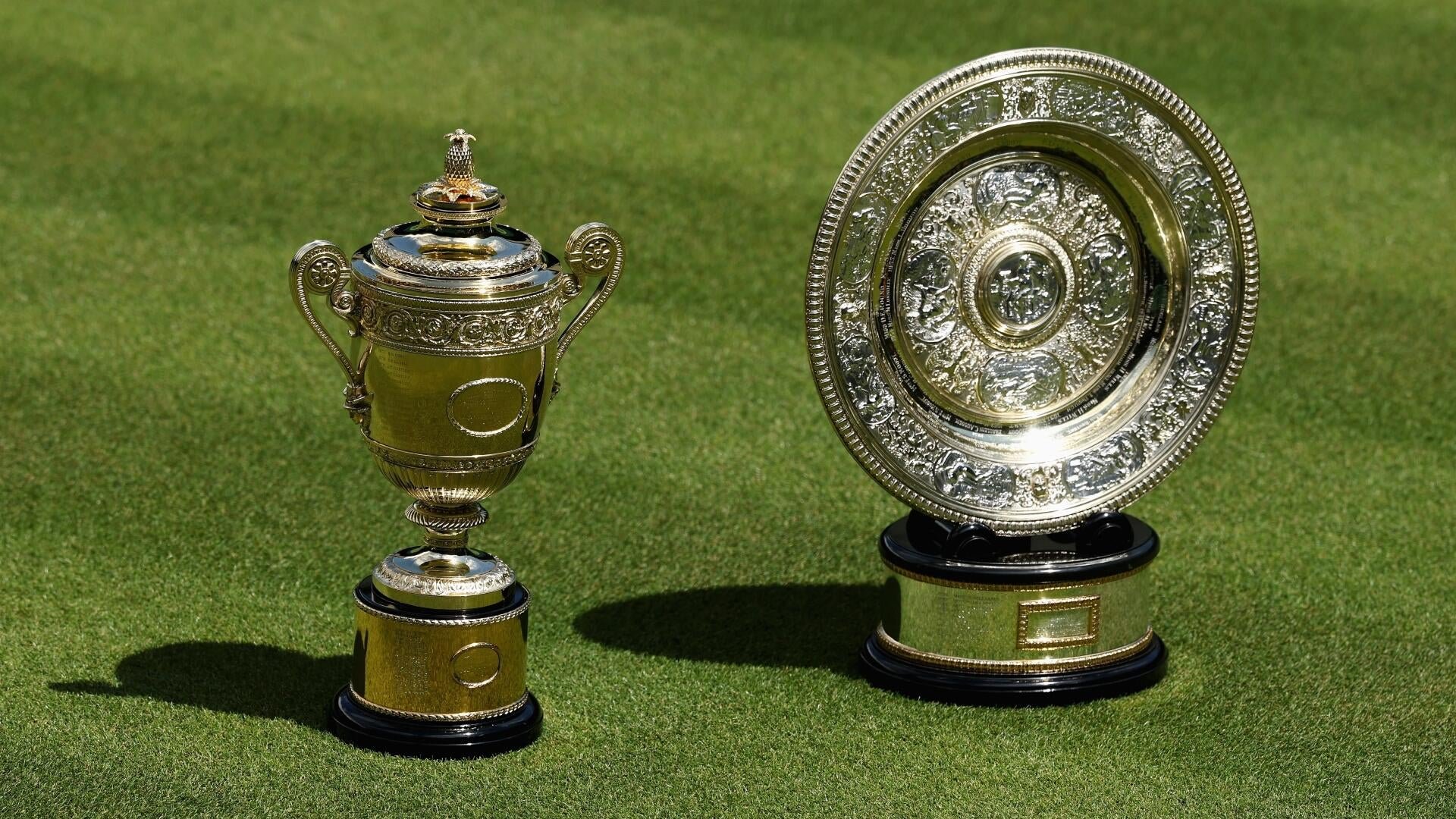
LONDON — At 22, Coco Gauff is, by any measure, a tour veteran. On 7 July 2026 she behaved like one, downing fellow American Jessica Pegula 4-6 6-3 6-3 to reach her first Wimbledon semi-final and reset the upper half of a draw that had, until Tuesday, looked more like a referendum on her consistency than a coronation. The scoreline, the comeback shape of it, and the opponent waiting next say as much about where the women's game is right now as they do about Gauff herself. With Iga Swiatek and Aryna Sabalenka already through, the question is no longer whether the next major is up for grabs — it is whether the player who has spent three years chasing grass-court respect can grab it.
Gauff's win is the headline. Muchova is the story. The Czech, returning from a string of injuries that have made the last three seasons feel like a parallel career, is in a Slam semi for the first time at Wimbledon and the second time at a major. She plays the kind of tennis that the rest of the tour pretends not to fear. ESPN's 7 July preview framed the match-up as a clash of firepower; the BBC's write-up leaned on the word "comeback" with a capital C. Both read Gauff as the favourite, both picked out the same vulnerability: the ball-striking on Gauff's forehand wing, which has drawn technical tinkering all year, against a Muchova backhand and a drop-shot game that has, historically, untidy-ed precisely the sort of player Gauff wants to be.
A win built on the second set
What the line tells you and what the match told you diverge in instructive ways. Gauff lost the first set, the way she has lost plenty of first sets in 2026: a service break, a long rally, the frustration that used to live in her body language visibly compressed into a single head-tilt. The BBC's report on 7 July noted the "comeback queen" framing, a label that, by Gauff's own post-match reaction, is becoming a self-aware joke. The numbers, as far as the wire recaps disclose, were ordinary: a single break in the second, a steadier hold pattern in the third, and a closing service game that Pegula, down 0-30, never quite got level on. Pegula, for her part, did what Pegula does — won the points she should win, made Gauff play an extra ball on most, and walked off with the look of a player who has just been reminded that grass is a younger sister's surface.
Why Muchova is the wrong "easy" semi
Gauff has now beaten three opponents of varying styles to get to the last four. None of them hit like Muchova. The Czech's record against top-five opposition across her career, in the matches she has actually been healthy enough to play, is the kind of number coaches quote quietly: she has beaten the players she was supposed to lose to, and lost the matches she was supposed to win. What the ESPN preview correctly surfaces is the shot variety. Muchova's drop shot is not a trick; it is a load-bearing part of her game. It pulls the opponent two metres behind the baseline, and from there her flat, redirected forehand takes over the geometry of the point. On a Wimbledon grass that has played slower than expected in the early rounds — both BBC and ESPN noted long rallies in the women's quarter-finals — that geometry matters more than the raw pace numbers suggest.
What this says about the tour
Gauff at 22, with two Slam titles already and a Wimbledon semi, sits at the front of a cohort that is, structurally, the most competitive in two decades. Three different Slam winners have held the world number one ranking across the last 18 months. Sabalenka and Swiatek are both still alive in the bottom half of the draw. A Muchova final, on form, is the kind of outcome the tour's marketing department would have struggled to write. A Gauff final, on form, is the kind of outcome the sport has been quietly working toward since her 2023 US Open run. Both possibilities are now live, and the structural truth is that the WTA is, for the first time in years, in a position where the marketing outcome and the sporting outcome do not have to be the same thing.
The counter-read is straightforward and worth naming. Gauff has not, in this tournament, beaten an elite returner, has not played in a final-set decider, and has not faced a ball-striker with Muchova's variety. Pegula gave her a measure of a baseline's resolve and little more. If the forehand wobbled in set one, it is reasonable to expect it to wobble again. Muchova's path to the semi, for her part, was quiet enough to be ignored; her 7 July opponent in the quarters did not, by the wire's own account, look like a top-10 player. The form curve for the Czech is a guess, not a reading.
The stakes on Friday
The Friday semi-final will tell us, in concrete terms, two things at once. For Gauff, it is the answer to a question that has been hanging over her grass-court game since she first reached the second week at the All England Club as a teenager: can the power game she has built on hard courts translate, fully, to grass, against a player who takes the ball early and refuses to be bullied from the baseline? For Muchova, the stakes are simpler and older: a Slam final, at any age, against any opponent, in any form. The structural frame is the one the BBC and ESPN both reached for without quite saying it — the tour's next major is being decided, in part, by who handles the pressure of being the one expected to win. Gauff is the expected one. Muchova is the one with nothing to lose and a drop shot that, on grass, has historically made "expected" a slightly fungible concept.
What remains uncertain
The wire recaps do not disclose medical or load data on either player. Muchova's 2025 and 2026 schedule has been managed carefully, and how much tennis is actually in her legs at this stage of a two-week major is not visible in the public record. Gauff's serving patterns in the third set, and the number of unforced errors off the forehand in set one, are the kind of detail that will surface in the post-tournament technical breakdowns but are not in the reporting as of 7 July. The draw's bottom half, with Sabalenka and Swiatek both still alive, will not resolve until the second semi on Friday; the final's shape, and therefore what "Gauff in a Wimbledon final" actually means, depends on a result we do not yet have.
Desk note: The wires — BBC and ESPN — converged on the same framing device (the "comeback") without naming the structural reason: this is the first Wimbledon where the women's draw has had this much parity this deep. Monexus held the obvious narrative back in favour of the harder one, which is that the match-up itself, not the storyline, is the story.