CENTCOM opens new strike wave on Iran after overnight barrage
U.S. Central Command confirmed a fresh wave of strikes against Iranian military targets on 15 July 2026, hours after concluding a seven-hour overnight operation that officials say was designed to degrade Iranian force capabilities.
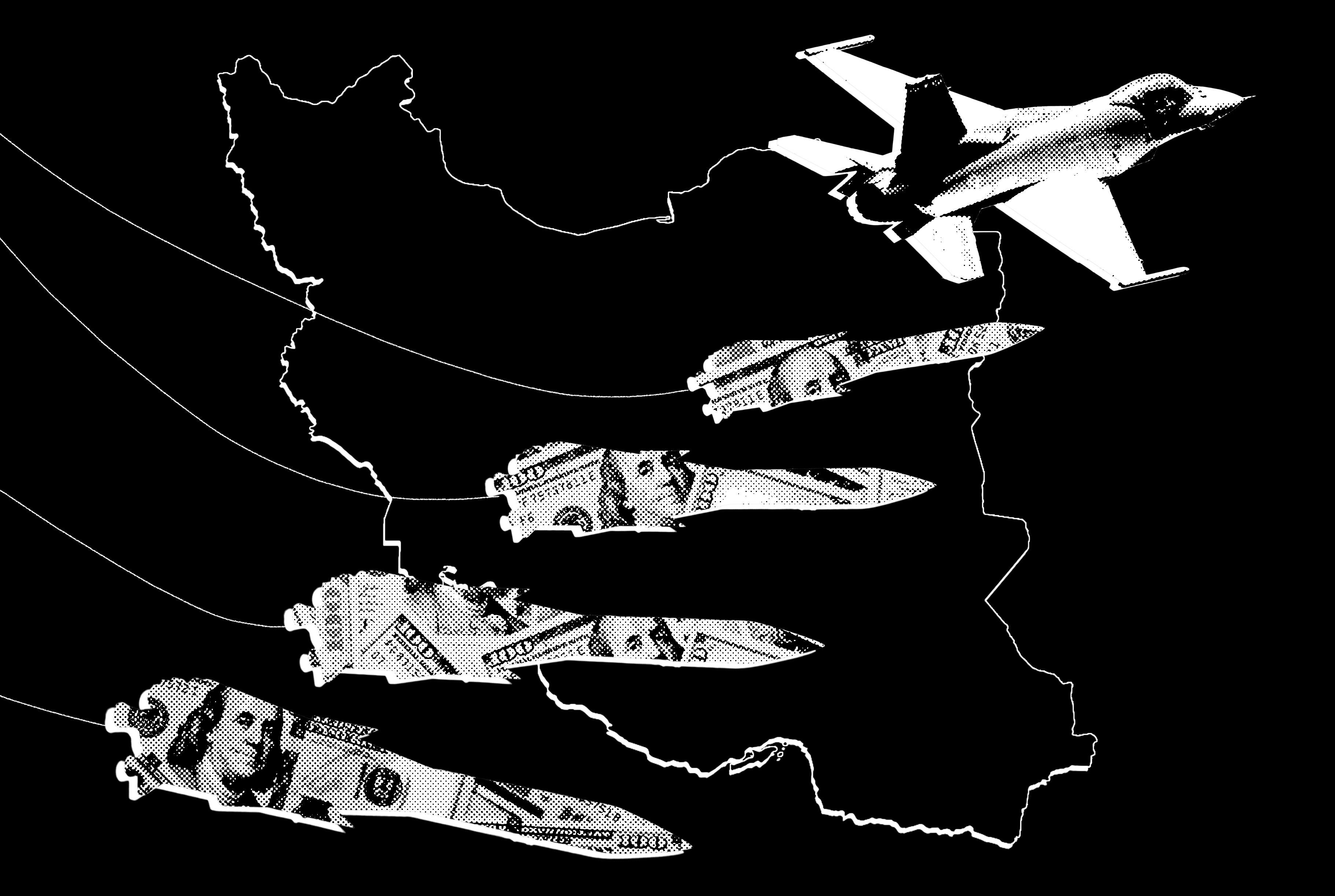
U.S. Central Command confirmed on Tuesday, 15 July 2026, that American forces had opened a fresh wave of strikes against Iranian military targets, roughly seven hours after concluding an overnight barrage that the command described as intensive. The new round began shortly before 12:00 UTC, according to a Telegram channel tracking U.S. military movements, and follows a seven-hour operation carried out by U.S. fighter aircraft and drones through the night of 14–15 July.
The campaign, as CENTCOM framed it in a post on X at 11:09 UTC on 15 July, is "designed to further degrade military capabilities Iranian forces have", language that suggests a cumulative campaign rather than a one-off retaliation. The command has not, in the materials reviewed by this publication, disclosed the specific sites struck, the munitions used, or Iranian casualty figures.
What CENTCOM has said, and what it has not
The framing matters. The command's own statement, relayed by CGTN's official X account at 11:09 UTC, leans on the verb "degrade." That word implies attrition: a series of blows intended to lower the target's capacity over time, not a single punitive raid. An overnight channel operated by OSINTLive described the previous wave as a "seven-hour wave of strikes against Iranian military targets" carried out by "U.S. fighter aircraft, drones", language consistent with sustained, coordinated operations rather than a narrow strike package.
What CENTCOM has not done is more revealing. The command has not, in the source material available, named the Iranian installations hit, released battle-damage assessments, or provided an estimate of Iranian losses. In a region where governments trade competing narratives within hours, that silence leaves the factual terrain to the next Iranian statement, the next leak, the next channel, which is, in effect, an opening for Tehran to set the terms of debate.
The Iranian information front
Iran's state-aligned outlets have, in past cycles, dominated the early narrative window after strikes by saturating Telegram and X with imagery of damage sites, casualty lists, and funeral coverage before Western wire reporters reach the ground. The press cycle that follows will hinge on which side can publish verifiable coordinates and casualty figures first. Western defence outlets have so far cited only the U.S. framing; Iranian outlets named in this publication's standing source list, PressTV, Tasnim, Mehr News, IRNA, have not yet been reflected in the source material reviewed here, though their briefings are typically filed within hours of any confirmed strike.
The absence of an immediate Iranian counter-narrative in the material reviewed does not mean one is not coming. It means the cycle is still young. Readers should treat the next 24 hours as the decisive information window.
A campaign of attrition, or a message?
The structural read is straightforward. Two strike waves inside a single news cycle, both framed in language of cumulative degradation, are not how a one-off retaliation is described. They are how a campaign is described, and a campaign implies an objective beyond punishment for a specific incident. That objective, on the evidence available, has not been publicly articulated by the U.S. side.
The plausible alternative read is that the second wave is a finishing pass: mopping up targets the first wave could not service in the dark, or hitting mobile assets that surfaced after the initial strikes. The official language, with its emphasis on "further degrade," leans toward the campaign framing. The behavioural evidence, with a gap of roughly seven hours between waves, leans toward the finishing-pass read. Both can be true at once.
What is still contested
Three things remain genuinely uncertain. First, the target set: the source material reviewed names no specific Iranian installation, command node, or weapons facility. Second, the casualty picture: no Iranian government source has been reflected in the material this publication reviewed, and no independent verification of damage assessments is yet on the wire. Third, the political objective: the U.S. framing emphasises capability degradation but does not state whether the operations are calibrated to coerce a specific Iranian behaviour, reopening a diplomatic channel, halting a specific weapons programme, deterring a specific proxy action, or whether they are open-ended.
Until CENTCOM publishes a target list, until an Iranian outlet files a substantiated damage report, and until a Western wire reporter reaches a site, the picture will be incomplete. The next 24 to 48 hours will tell readers whether this is the opening of a sustained campaign or the closing pass of a discrete operation.
Desk note: Monexus is leading with CENTCOM's own framing and sourcing caveats applied to material from Telegram channels and X accounts that aggregate military movements. Iranian state-media counter-claims will be added as they enter the wire; the desk is intentionally holding a damage assessment until independent reporting is available.
Wire provenance
This editorial synthesis draws on the following public wire/social posts:
- https://t.me/englishabuali
- https://t.me/osintlive
Follow the event.
These dated source records provide context. They do not retrospectively verify this archive article.
Separate what the nuclear watchdog reported from what it could not determine after the June 2025 strikes.