Tehran's 'we won' line lands before any ceasefire takes hold
Iran's parliament speaker declared total victory over the United States and Israel on 16 August 2026 while the underlying war's end-state remains undefined. The statement is theatre, but the timing is the point.
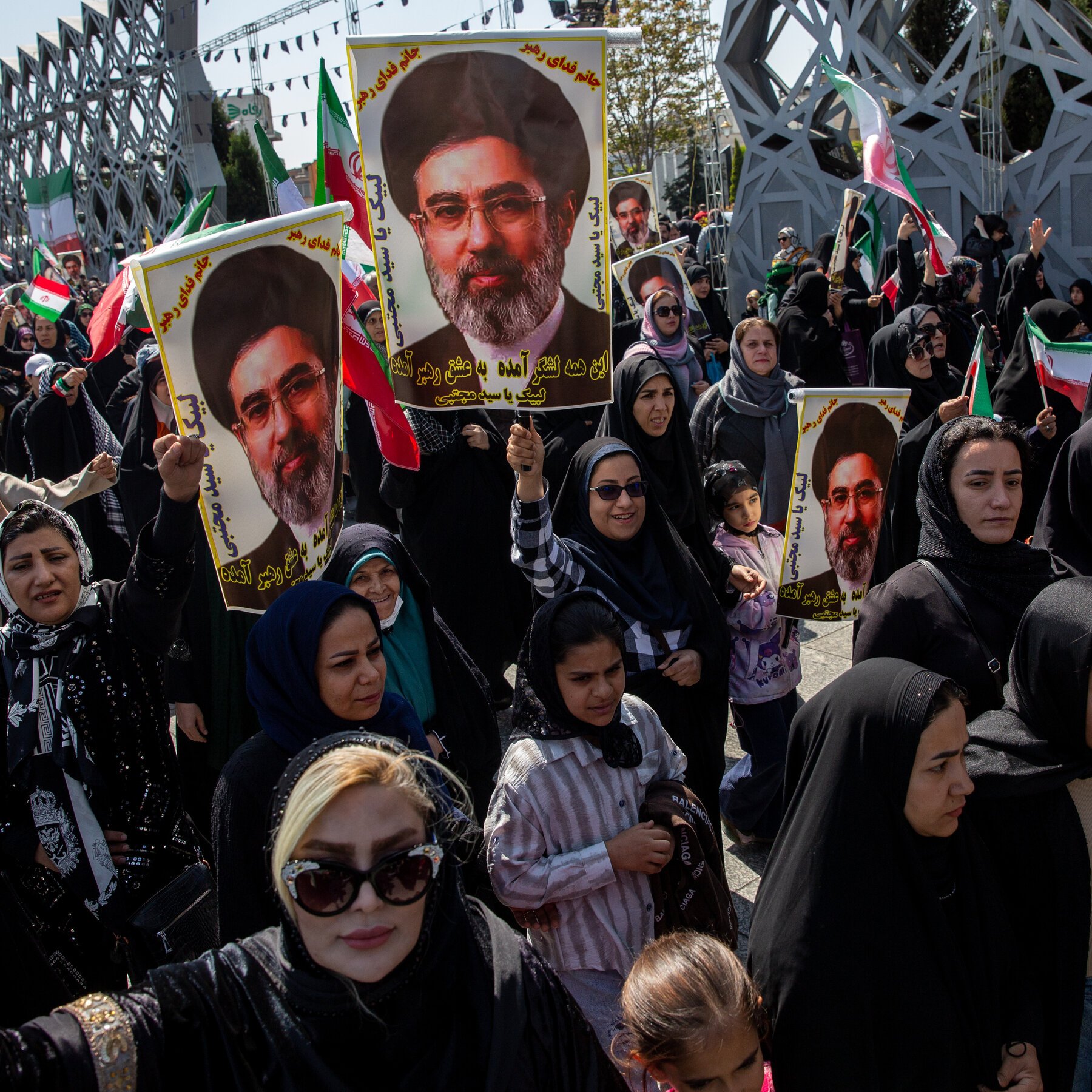
At 19:34 UTC on 16 August 2026, PressTV broadcast a statement from Mohammad Bagher Ghalibaf, speaker of Iran's parliament, declaring that the country had achieved "total military and political victory" over the United States and Israel. The line ricocheted across Telegram channels within the hour, with English-language relays quoting the same passage and the same caveat: Ghalibaf insisted this did not mean Iranian forces had destroyed the US military, only that the strategic contest had shifted Tehran's way.
The claim is loud, the underlying battlefield is quiet, and that gap is the story. A speaker who ranks high in Iran's constitutional order is telling a domestic audience that the war is already over, while the war's actual end-state remains undefined. Read on its own terms, the statement is morale infrastructure, not a battlefield bulletin. Read against the timing, it is also a bid to lock in the political narrative before any ceasefire text is signed.
What Ghalibaf actually said
The quoted remarks, carried by PressTV and mirrored by the Telegram accounts Clash Report and megatron_ron, run in the same direction. Ghalibaf told parliament that "we truly won this war, both militarily and politically," then immediately hedged: "This does not mean that we destroyed the US military. What I mean is that the United States and Israel failed to achieve their objectives."
That formulation matters. It is not a claim of conquest. It is the language of a political actor defining victory as the failure of the other side's war aims, a much narrower threshold than the "total" modifier in his opening line suggests. Western wire services have not, in the available source items, corroborated or contradicted the battlefield assessment underneath the rhetoric. The framing is sourced from Iranian state media and channels that relay it.
Why a speaker, not a general
Iran's system routes climactic claims through civilian institutions on purpose. Putting a victory frame in the mouth of the parliament's speaker rather than a military commander signals that the political class is treating the war as a domestic-consumption event. The intended audience is not Washington or Tel Aviv. It is the Iranian street, the bazaar, and the parliamentary record.
This is also why the qualifier about not having "destroyed the US military" is doing real work. It pre-empts the obvious counter-meme. A claim of total victory without that caveat would be a propaganda liability inside Iran, where audiences are familiar enough with the balance of forces to mock overreach. The hedged version gives supporters the headline and sceptics the denial of overreach in the same sentence. It is a well-crafted piece of political communications.
The counter-read: declaring victory to win the negotiation
There is a second, more strategic reading. The United States and Israel have not, in the available source items, publicly defined their own end-state for the war. In a conflict where the stronger conventional force has not articulated what victory looks like, the side that names victory first controls the reference point for any future ceasefire. A future agreement will be parsed against Ghalibaf's frame: did the US achieve its objectives, or did it settle? The Tehran line is already in the public record.
Monexus assessment: this is the more plausible reading. The hedged definition of victory is too narrow to be believed on its own terms and too politically useful to be mere rhetoric. It is a negotiating position dressed as a verdict. The analysis depends on a premise the available sources do not establish: that the United States and Israel have in fact failed to achieve their stated objectives. Until a Western-wire or UN-sourced battlefield accounting tests that premise, the assessment is necessarily directional rather than confirmed.
Stakes and what to watch next
The short-term risk is not that the statement is wrong. It is that the statement ages badly. If a ceasefire is announced in the coming weeks, the Tehran line will be tested against the deal's text. If the war resumes after a pause, the same line will be cited as evidence of regime overreach. Iranian domestic politics is the audience most exposed to the gap between the rhetoric and the eventual outcome.
The indicators worth tracking are concrete: any official US or Israeli statement defining war aims relative to the Ghalibaf line, the text of any ceasefire framework, and the parliamentary response inside Iran if battlefield conditions shift against the framing. The claim is now part of the public record. The hard part is what comes after the cheering stops.
Desk note: Wire coverage of war-end claims from any side is usually relayed through the speaker's own channels; Monexus carries the claim verbatim, labels the source as Iranian state media, and treats the battlefield assessment as unverified pending Western-wire or UN corroboration.
Wire provenance
This editorial synthesis draws on the following public wire/social posts:
- https://t.me/presstv/203047
- https://t.me/ClashReport/92705
- https://t.me/megatron_ron/16489