Tehran's speaker reads the room on the US negotiating team, and says so out loud
Ghalibaf's public swipe at Bessent and Hegseth is less theatre than it looks: it tells Washington exactly where the Iranian side thinks the negotiating ceiling sits.
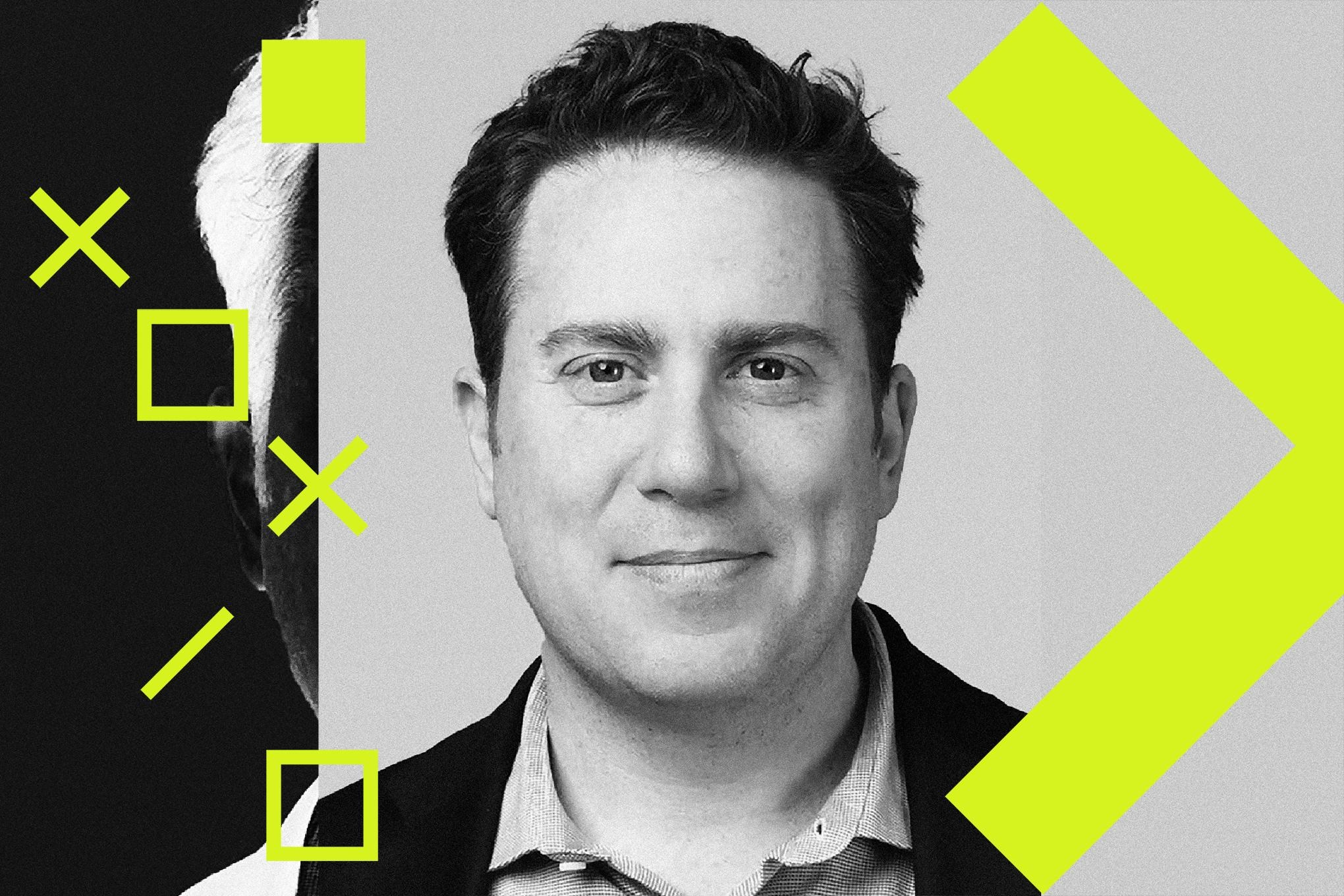
On 18 August 2026, Iran's Parliament Speaker Mohammad Bagher Ghalibaf used a public platform to deliver a two-sentence verdict on the American negotiating posture toward Tehran. "Americans think squeezing Iran harder will win concessions that were never part of the agreement," he said, naming Treasury Secretary Scott Bessent and Defense Secretary Pete Hegseth. "Bessent and Hegseth are way out of their league." The remarks were carried by Iranian state-aligned channels including PressTV (posts at 17:30 UTC and 18:40 UTC) and relayed by aggregators DDGeopolitics (18:55 UTC) and rnintel (18:25 UTC) within a single news cycle.
A parliamentary speaker publicly scolding two named American cabinet officials is not standard diplomacy. It is, however, useful information for anyone trying to read where the Iranian negotiating ceiling actually sits. The bet Tehran is making, made explicit by the man who runs its legislature, is that Washington's maximalist framing is performative, not doctrinal, and that the cost of staying patient is lower than the cost of folding early.
What Ghalibaf is actually signalling
The line that matters is not the insult. It is the qualifier: "concessions that were never part of the agreement." That phrasing concedes the existence of an agreement, names its limits, and warns Washington against reopening the envelope. In Iranian negotiating grammar, this reads as a refusal to renegotiate from a weakened starting position, not a refusal to talk. The naming of Bessent and Hegseth, two figures who carry economic and military weight on the US side rather than diplomatic weight, is itself a message: Tehran reads the current American posture as coercion-first, deal-second, and wants that reading on the record.
For a reader who only sees the headline insult, it is easy to miss the structure underneath. Ghalibaf is not closing the door. He is bracketing which proposals the Iranian side will treat as illegitimate if they arrive.
The optics problem for Washington
The available source items do not specify any on-record US response from Bessent, Hegseth, or any other named American principal. That asymmetry does two things at once in the reporting window covered here. It allows the Iranian framing to harden in regional media coverage, where Ghalibaf's comments will be reported as fact within hours. And it hands Tehran a domestic-political win: the speaker of parliament, a senior office in the Islamic Republic's formal structure, has publicly named two American principals without triggering any visible response in the channels the cited posts draw from.
This publication notes the absence narrowly: the cited posts contain no US response, and this article has not independently established whether a statement is pending in a venue those channels do not cover. Treat the silence as a feature of the available reporting window, not as a statement about what the US side actually believes.
Why this lands harder than a Foreign Ministry read-out
A Foreign Ministry spokesperson delivers denials by job description; the words arrive pre-discounted. A parliamentary speaker delivering the same content, on camera, with the right two American names attached, carries a different weight. It is harder to retract, harder to walk back, and harder for Tehran's own domestic press to ignore. In effect, Ghalibaf has converted a routine bilateral irritant into a fixed public datum: any future Iranian negotiator who quietly accepts the terms Ghalibaf just rejected will have to do so against his own legislature's stated position.
The structural read is the one most Western coverage is likely to skip. Iranian bargaining positions in this dossier have historically been contested inside the system as much as between Tehran and Washington. By speaking publicly, and by naming the two American officials most associated with the pressure track, the speaker has narrowed the Iranian delegation's room to manoeuvre, and has signalled to the American side that the squeeze-the-ceiling-up strategy will meet a domestic political floor that has now been articulated in plain language.
What to watch in the next 72 hours
Three datapoints will tell us whether this was a feint or a marker. First, whether the Iranian Foreign Ministry echoes the speaker's framing in an official briefing, or quietly distances itself. Second, whether any US principal answers on the record, even briefly, at a press availability or a posted statement. Third, whether regional outlets that have historically carried Iranian official lines pick up Ghalibaf's exact wording or soften it. The cited source items do not specify which way any of these will break.
The unsourced piece, the part no one in the cited channels has named, is whether the White House has internally read Ghalibaf as a constraint or as theatre. Diplomats always assume the latter. Senior policymakers, when they read the room honestly, sometimes have to admit the former. That judgment cannot be made from the four posts in this thread, and this publication will not pretend otherwise.
Desk note: Monexus framed this around what Ghalibaf's statement reveals about Iran's negotiating ceiling, not the insult. Western wire coverage is likely to lead on the personal shot at Bessent and Hegseth; the structural read is that the speaker just drew lines in public that any later Iranian negotiator will have to publicly defend or quietly disavow.
Wire provenance
This editorial synthesis draws on the following public wire/social posts:
- https://t.me/presstv/203259
- https://t.me/presstv/203269
- https://t.me/DDGeopolitics/191421
- https://t.me/rnintel/65623