Hormuz tightened further as Iran's Iraqi carve-out widens and Tehran reaches
Al Jazeera confirms Iran is letting Iraqi tankers through Hormuz on a permission
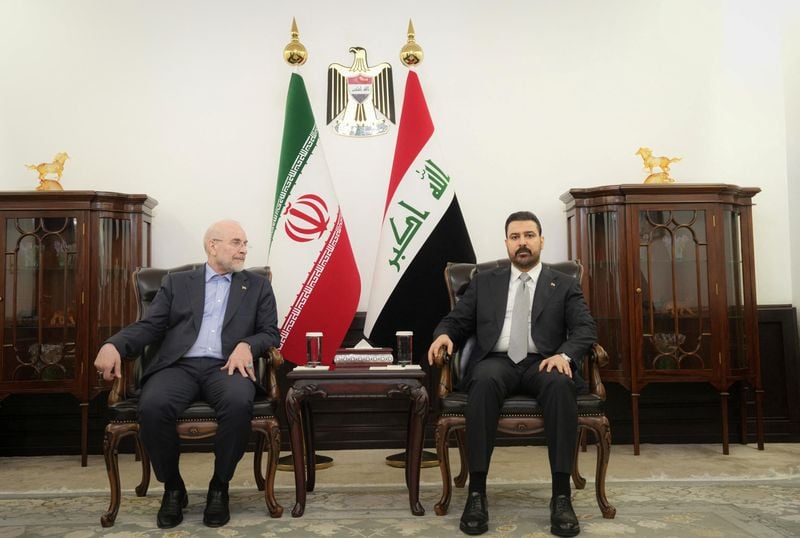
At 20:05 UTC on 22 August 2026, Al Jazeera's breaking-news desk reported that Iran had granted permission for some Iraqi oil tankers to pass through the Strait of Hormuz, citing Iraqi President Nizar Amidi, who said his country's territory would not be used to launch attacks against any other state. Less than half an hour later, at 20:26 UTC, a CNN line relayed by the X account @SprinterPress characterised the same seaway as "virtually closed", with passage available only where Iran explicitly grants it. Read together, the two dispatches describe a chokepoint that is technically navigable and operationally conditional: geography permits transit, sovereignty decides it.
This update to the live file tracks the sharpening of that conditional regime. Tehran's selective carve-out for Iraqi crude now sits inside a strait-wide posture in which Iranian permission, not maritime law, is the operating permit. On the other side, Investing.com's same-day reporting described Hormuz oil flows as "stalled" and framed the U.S. posture as preparation for tougher sanctions while Iranian leaders publicly urged an end to the war. Today's two dispatches make the geometry harder.
The carve-out widens, the closure deepens
Al Jazeera's 20:05 UTC report is the most explicit public confirmation yet of what the Iraqi operator story has looked like in practice: named-flag permission, presidential-level diplomatic framing, and an explicit non-aggression line from Baghdad. The choice of Iraq as the first beneficiary is not incidental. Iraqi crude exports depend on Hormuz for export, and granting that traffic keeps a major OPEC producer from being collateral damage while still demonstrating that the chokehold is administered by Tehran, not by geography.
The CNN line at 20:26 UTC makes the contrapositive point explicit. If Iraqi tankers are crossing because Iran said so, then everyone else's crossing is conditional on a permission that, by the same logic, can be revoked. That is the definition of a virtual closure even with tonnage moving: transit exists at the sufferance of the coastal state. For shipowners, underwriters, and crude buyers, the relevant question is no longer whether Hormuz is open, but whose flag is on the next permitted list, and on what timetable that list updates.
The deal market, and where traders sit
Two Polymarket contracts set the frame for the next sixty to one-hundred-twenty days. On the question of whether the U.S. and Iran reach a Hormuz deal by the end of next month, traders had priced the contract at 13% as of 17:14 UTC on 22 August, according to a Polymarket-curated wire post. On the separate contract for whether Hormuz traffic returns to normal by end of 2026, traders had priced the contract at 29% as of 17:21 UTC the same day. The CNN characterisation at 20:26 UTC and the Al Jazeera selective-passage line at 20:05 UTC both fit inside that implied distribution: even the shorter-horizon diplomatic breakthrough is priced as less likely than not, while the year-end traffic normalisation contract sits deep out of the money.
Monexus analysis: read together, the two contracts imply traders see a narrow window for a near-term diplomatic fix and roughly a one-in-three chance that the underlying traffic pattern normalises inside 2026. Today's reporting does not contradict that distribution; if anything, the Iraqi carve-out plus the "virtually closed" framing push the same direction. The shape of the implied curve is consistent with slow, partial easing rather than a clean grand bargain, a sequence of tanker-release lists and temporary navigation windows rather than a sanctions-architecture reset.
The colonial frame, restated under pressure
Earlier in the week, a Polymarket-curated wire carried Iran's accusation that the United States is pursuing "full-scale classic colonialism", phrasing this publication has not independently verified against a primary Iranian statement but treats here as reported on that wire. That phrasing relocated the dispute from a sanctions disagreement into a register that resonates with the Global South. Today's two dispatches make that framing more, not less, coherent. A naval interdiction on a sovereign state's exports is a physical instrument; a permission regime at a chokepoint administered by the adjacent coastal state is the kind of arrangement the colonial-era maritime powers ran routinely. Tehran is arguing, in effect, that the U.S. posture looks like the old order regardless of who is currently flying which flag.
Monexus assessment: the most defensible reading of the day's reporting is that the rhetorical move and the operational move are complementary. The Iraqi pass-through is the lever; the colonial framing is the cover story that lets Tehran hold the lever without being blamed for a closure. CNN's "virtually closed" line is, from this side, useful confirmation that the closure frame is now also the Western wire's working language. Two opposing political grammars, the U.S. interdiction-as-pressure and the Iranian permission-as-sovereignty, are converging on a shared description of the same physical seaway.
What to watch, and what the sources still do not say
The available wire items still do not specify which Iraqi operators were cleared, how many barrels that represents, or how the permission was communicated. The CNN "virtually closed" line is a relay via @SprinterPress at 20:26 UTC; primary U.S. Navy or Central Command posture statements are not in this thread, and the report does not specify the naval disposition behind either the "virtually closed" characterisation or the stalled-flows language used earlier. Independent reporting on those specifics, from Reuters, AP, or Bloomberg, would be needed before treating the operational picture as settled.
Three dates are worth holding. The end-of-September window that the monthly Polymarket deal contract tracks. The OPEC+ technical committee meetings that historically move Iranian-export expectations. And the next Iraqi-flag transit list, since the named-flag carve-out is now the only public, verifiable signal of how Tehran is calibrating. If the Iraqi pass-through widens to other flags, the year-end traffic contract reprices higher. If the U.S. naval posture shifts from interdiction to escort, the same contract reprices lower. If CNN's "virtually closed" line is followed within 48 to 72 hours by shipowner advisories or P&I club bulletins restricting Hormuz coverage, the operational picture hardens. This desk's expectation is that the next 48 to 72 hours will produce at least one such advisory if the closure frame holds. Today's dispatches do not yet show that hardening, but they leave the door open to it.
Desk note: Where wire coverage has framed this as a sanctions dispute with a Hormuz backdrop, this publication treats it as a coupled escalation: a physical interdiction on Iran's export volumes paired with a selective Iranian counter-instrument at the chokepoint, with the colonial-frame rhetoric widening the audience for the dispute beyond the P5+1 set. Polymarket probabilities are cited as trader sentiment, not prediction. The 13% figure refers to the end-of-September deal contract, and the 29% figure refers to the year-end traffic-normalisation contract.
Wire provenance
This editorial synthesis draws on the following public wire/social posts:
- https://www.aljazeera.com/news/2026/8/22/iran-grants-permission-for-some-iraqi-oil-tankers-to-pass-through-hormuz?traffic_source=rss
- https://x.com/SprinterPress/status/2091260753609138672
- https://poly.market/ZwLS431
- https://poly.market/vwCbRDt
- https://www.investing.com/news/commodities-news/iran-grants-permission-for-a-number-of-iraqi-oil-tankers-to-pass-through-hormuz-4872318
- https://www.investing.com/news/economy-news/us-iran-trade-warnings-as-new-sanctions-loom-and-hormuz-oil-flows-stall-4872251
- https://x.com/Polymarket/status/2091200725367812098
- https://x.com/Polymarket/status/2090921773285945363
- https://www.aljazeera.com/news/2026/8/22/iran-grants-permission-for-some-iraqi-oil-tankers-to-pass-through-hormuz?traffic_source=rss
- https://x.com/SprinterPress/status/2091260753609138672
- https://poly.market/ZwLS431
- https://poly.market/vwCbRDt
- https://www.investing.com/news/commodities-news/iran-grants-permission-for-a-number-of-iraqi-oil-tankers-to-pass-through-hormuz-4872318
- https://www.investing.com/news/economy-news/us-iran-trade-warnings-as-new-sanctions-loom-and-hormuz-oil-flows-stall-4872251
- https://x.com/Polymarket/status/2091200725367812098
- https://x.com/Polymarket/status/2090921773285945363