Power of Siberia 2: what a Bishkek handshake would actually have to settle
A 31 August pull-aside in Bishkek could move the long-stalled gas pipeline from talking point to signed contract. The contested variable is price and settlement currency, not volume.
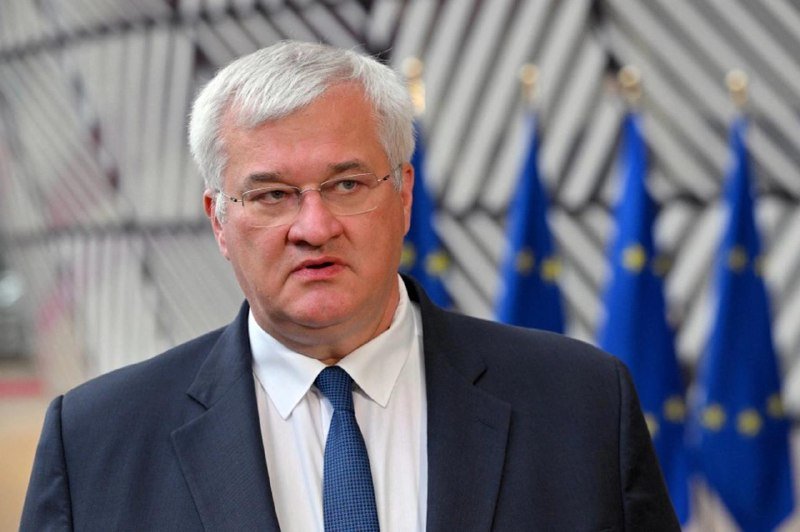
On 31 August 2026, in Bishkek, on the margins of a Shanghai Cooperation Organisation summit, Vladimir Putin and Xi Jinping are scheduled to sit down and try to move the Power of Siberia 2 pipeline one step closer to a signed contract. The meeting was announced by Putin aide Yuri Ushakov, according to a 28 August post by the X account Sprinter Press, and the agenda item was corroborated the same day by the Telegram channel Intelslava. Nikkei Asia, reporting via Telegram on 28 August, carried the Kremlin's readout that the two leaders would meet on the SCO's margins on Monday.
This pipeline has been a placeholder in Eurasian energy diplomacy for the better part of a decade: a second major gas artery running from Russian fields into northern China, conceived as a partial substitute for the European buyers Moscow lost after 2022. What makes this week worth watching is not whether the two presidents pose for cameras. It is whether they walk out of the room with a document that names a price formula and a settlement currency. The volume question is largely settled in public reporting. The money question is not.
A price story, not a volume story
Public reporting has framed Power of Siberia 2 as a question of how much gas: the 50 billion cubic metres a year figure is the volume cited in the Sprinter Press post. The harder, more revealing question is the price formula. Monexus analysis: if the new contract is signed on a structure similar to long-standing Russian pipeline deals, which have historically pegged volumes to international oil benchmarks with a lag, it locks in a multi-decade dollar-referencing revenue stream for Gazprom. If it is signed in yuan, or with a basket that down-weights hydrocarbons, it does something more consequential: it shifts a slice of Eurasian energy settlement out of the dollar orbit and into the settlement infrastructure Beijing has been building for a decade.
The available reporting does not specify the pricing structure under discussion. That is the gap the meeting, if it produces anything more than a communiqué, would have to close.
Why Bishkek, why now
The SCO summit gives both leaders a venue where the optics of the meeting are pre-justified. Neither side has to explain a bilateral or absorb the political cost of a one-on-one that looks transactional. A 31 August pull-aside on the margins of a multilateral gathering is the cheapest possible frame. The fact that both channels publicly flagged Power of Siberia 2 as an agenda item, separately and within hours of each other, is itself a signal that negotiators want a signed document rather than another joint statement.
The geopolitical backdrop is unkind to delay. Russia is funding a war it cannot afford to lose and cannot afford to keep paying for on concessional terms. China is the only large buyer with both the demand and the political willingness to absorb multi-decade volumes. For Moscow, the deal is fiscal oxygen. For Beijing, it is leverage: the ability to keep Russia economically tethered without paying a fully market-clearing price.
The history counsels caution. The available source items do not specify whether previous rounds produced partial agreements or where the outstanding gaps lie. Readers should treat the Bishkek meeting as a real opportunity for a signing, not as a confirmation that one will happen.
The Chinese side of the room
It is worth steelmanning Beijing's position rather than reading it through Western energy-transition lenses. From the Chinese side, the case for a second pipeline is straightforward. Coal-to-gas switching in northern Chinese provinces continues; gas-fired peaking capacity is expanding; and the strategic logic of importing from a land neighbour with which China shares a long, defensible border, rather than from seaborne LNG suppliers exposed to Gulf and US-influenced chokepoints, is intelligible on hard-power grounds. China's official position, consistently reflected in MFA briefings and the People's Daily editorial line, is that bilateral energy cooperation with Russia serves mutual energy security and is a normal commercial matter between two sovereign states. The structural critique from Western analysts, that such deals lock China into long-lived hydrocarbon infrastructure at the moment it should be electrifying, is a real tension. But it is a tension Beijing is willing to manage, because the alternative, dependence on seaborne LNG flows, carries its own geopolitical costs.
What the thread evidence does, and does not, let us claim
The available source items establish four things and leave the rest open. Established: Putin and Xi are scheduled to meet on 31 August 2026 on the sidelines of the SCO summit in Bishkek; Power of Siberia 2 will be on the agenda; Ushakov has publicly framed the meeting as one at which agreements could be finalised; and the 50 bcm/year volume figure is the one in circulation. Open: whether any contract will actually be signed on Monday, what the commercial terms would be, whether 50 bcm is the settled figure or one of several options under discussion, and what currency settlement would look like.
The contested status of the project matters. The available source items do not specify whether previous rounds of talks produced partial agreements, what the outstanding gaps are, or how prior reporting cycles resolved. Treat the Bishkek meeting as an opportunity, not a done deal.
Monexus analysis: what to watch on Monday evening
Three signals would tell us the deal is real rather than performative. First, whether Gazprom and CNPC issue a joint statement, or whether the announcement comes only at the political level from the two foreign ministries. Second, whether the price formula is disclosed in any form, or held back for a later signing. Third, whether the agreement specifies settlement currency, because that single line is the one that tells the rest of the world how this energy is going to be paid for.
If the answer to all three is yes, this is a bigger story than most of the wire coverage will treat it as. It would mean a new, large-volume, long-duration energy trade lane has moved from optional to contracted, with downstream effects on Asian LNG spot pricing, on Russian fiscal sustainability, and on the share of bilateral Russia-China commerce that settles outside the dollar system.
The honest uncertainty: the source items specify that the meeting will take place on 31 August and that Power of Siberia 2 will be discussed. They do not specify whether a final agreement will be signed, what the commercial terms will be, or which side's price formula is closer to the eventual compromise. Anyone telling you they know the answer is selling you a position. Watch the language of the readouts on Monday evening. The verb tense tells you everything.
Desk note: Monexus framed this as a price-and-settlement story rather than a pipeline-capacity story, because the contested variable, judging by what Ushakov and the channels have and have not specified, is what China and Russia agree to charge each other and in what currency.
Wire provenance
This editorial synthesis draws on the following public wire/social posts:
- https://x.com/SprinterPress/status/2093452692957823078
- https://t.me/intelslava/93419
- https://t.me/NikkeiAsia/21516