Strikes, oil, and an 8% Polymarket quote: Hormuz risk re-prices after US–Iran exchange
US strikes on two Iranian government tankers and Iran's return fire pushed Brent up nearly 1% and bond yields higher; a Polymarket post priced the odds of a Hormuz agreement at 8%, single-source and uncorroborated by a second wire.
Brent crude pushed up nearly 1% and US equity futures opened muted in the early hours of 2 September 2026, after the US military confirmed it had completed a fresh wave of strikes on Iran and Iran returned fire, ending a recent period in which both sides had held off from major exchanges. An Investing.com commodities item at 02:01 UTC carried the US military's completion statement, the first wire confirmation of the strike cycle in the available record. (Source: https://www.investing.com/news/commodities-news/us-military-says-it-completed-latest-wave-of-strikes-on-iran-4885259) Investing.com's news feed then ran a synthesis item at 04:06 UTC headlined "U.S., Iran trade more strikes as Hormuz tensions simmer," pairing the strike exchange with shipping-traffic concerns in the strait. (Source: https://www.investing.com/news/economy-news/us-iran-trade-more-strikes-as-hormuz-tensions-simmer-4885300) An earlier Investing.com commodities item, at 01:01 UTC, had already reported oil up nearly 1% as the fresh strikes crossed the wires. (Source: https://www.investing.com/news/commodities-news/oil-up-nearly-1-as-us-and-iran-trade-fresh-strikes-4885234)
By 04:45 UTC the picture had tightened further, though through a different channel. The Telegram channel ClashReport, citing Axios, reported that the US military had struck two Iranian government tankers the previous day under what the relay described as a newly articulated "tanker for tanker" policy, with US officials saying the aim was to deter attacks on commercial shipping in the strait. (Source: https://t.me/ClashReport/94639) A minute later the same channel carried a US official's framing that the latest round of strikes had "degraded Iran's ability to attack ships in the Strait of Hormuz" and had "bought at least a month" of lower threat levels for commercial shipping. (Source: https://t.me/ClashReport/94640) Two minutes before that, the same channel had carried a Trump statement denying the premise that the US is trying to force Iran to the bargaining table, calling a potential agreement "worthless, to them," and, in the relay's own text, asserting "almost total control of the Hormuz Strait, and their economy totally collapsing… When are the Iranian people going to rise up and fight?" (Source: https://t.me/ClashReport/94638) All three items are Telegram relays of an Axios report and of an unnamed primary venue for the Trump statement; the desk flags every paragraph that leans on them as one relay removed from its source.
This piece is not about the military balance of the strike exchange. The wire reporting on that question, where it exists, is reliable enough on its own. It is about how the price of risk around Hormuz is being reset in real time, what that re-pricing implies about the strategic stakes for both Washington and Tehran, and why the gap between the official statements from both capitals and the market's verdict is unusually wide. Monexus assessment: the strike exchange is corroborated across two Investing.com items and three ClashReport relays of Axios reporting, the market reaction is corroborated across Investing.com's commodities, equities and rates feeds, and the doctrinal gloss now circulating in the commentary ecosystem is one relay away from its named outlets and must be discounted accordingly.
What happened in the last twelve hours
The sequence condensed into a few hours. An Investing.com commodities item at 02:01 UTC on 2 September independently carried the US military's statement that the latest wave of strikes on Iran had been completed. (Source: https://www.investing.com/news/commodities-news/us-military-says-it-completed-latest-wave-of-strikes-on-iran-4885259) An Investing.com synthesis item at 04:06 UTC paired the strike exchange with Hormuz shipping-traffic concerns under the headline "U.S., Iran trade more strikes as Hormuz tensions simmer." (Source: https://www.investing.com/news/economy-news/us-iran-trade-more-strikes-as-hormuz-tensions-simmer-4885300) An earlier Investing.com commodities item, at 01:01 UTC, had reported oil up nearly 1% as the fresh strikes crossed the wires. (Source: https://www.investing.com/news/commodities-news/oil-up-nearly-1-as-us-and-iran-trade-fresh-strikes-4885234)
To that sequence the late-morning hours added a doctrinal gloss, relayed rather than reported. According to the ClashReport relay at 04:45 UTC on 2 September, the US strike on two Iranian government tankers the previous day was framed by US officials as the opening move in a "tanker for tanker" policy designed to deter attacks on commercial shipping in the strait. (Source: https://t.me/ClashReport/94639) The desk treats the policy label and the strike-on-tankers claim as relay content, not as primary Axios copy; the primary Axios report is not in the available source items, and this article has not independently established whether Axios's own article uses the same wording. Monexus analysis: if the framing holds at the primary-source level, the next Iranian move against a commercial hull becomes the input to a US counterstrike against an Iranian state hull, and the strike loop acquires an automaticity the market has not yet priced.
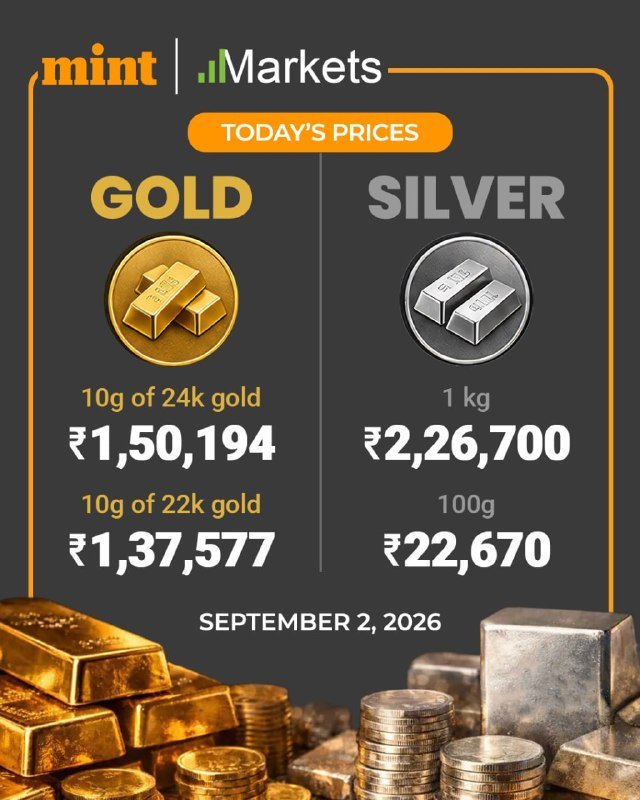
The commodities response arrived within minutes of the strike headlines. A separate Investing.com item at 01:57 UTC noted gold falling as oil, bond yields and Federal Reserve hike bets climbed together. (Source: https://www.investing.com/news/commodities-news/gold-falls-as-oil-bond-yields-and-fed-hike-bets-climb-on-iran-escalation-4885255) US equity futures were described as "muted" at 00:14 UTC, as traders parsed both the rate implications and the strike escalation. (Source: https://www.investing.com/news/stock-market-news/us-futures-muted-as-markets-parse-rate-jitters-more-iran-strikes-4885211)
The narrow economic point is that this conflict is now being priced simultaneously as an oil shock, a dollar-positive risk event, and an inflation-and-rates story, the worst combination for emerging markets with dollar debts and for central banks that were already late in cutting cycles.
The 8% Polymarket quote, read carefully
Of all the numbers circulating on 2 September, the most cited is a prediction-market quote. A Polymarket post at 01:45:51 UTC on 2 September carried the headline "8% chance the U.S. & Iran reach a Hormuz agreement by the end of the month." (Source: https://poly.market/gPqe4E2) Three caveats apply and they are load-bearing. First, the figure arrives as a post headline rather than as a continuously cited market level, and Polymarket implied odds move with order flow; the desk treats 8% as a snapshot of trader positioning near 01:45 UTC, not as a fixed quote. Second, the thread evidence contains no second wire (Reuters, Bloomberg, Investing.com) confirming the 8% level at that exact minute, so the figure rests on a single primary-source post. Third, the available thread evidence does not specify which month the contract's "end of the month" refers to; the desk is reading the headline against the 2 September 2026 publication date and inferring September, but that inference is not itself entailed by the thread items.
Monexus analysis: read against that inferential frame, the 8% snapshot is consistent with at least two distinct readings of the underlying positioning, and the article does not have the evidence to choose between them. One reading, which the desk finds plausible given the strike exchange, is that traders were positioning for further escalation rather than a September settlement, so a low implied probability of a deal is the arithmetic of that posture priced. A second reading is that the contract simply reflects thin liquidity at 01:45 UTC, with a single small order sufficient to print 8% on the order book. The Polymarket snapshot cannot, on its own, distinguish those two. Monexus assessment: the contract is treated here as a data point about trader positioning, not as a forecast of what will happen, and any forward read from it is the desk's analysis rather than a wire-confirmed expectation.
Shipping, insurance, and the quiet re-rating
The Investing.com synthesis item at 04:06 UTC flagged "Hormuz tensions" alongside the strike headlines, a deliberate editorial pairing: the implication the desk draws is that operators are already pricing some probability of partial closure or selective harassment of tankers, not just kinetic strikes on military targets. (Source: https://www.investing.com/news/economy-news/us-iran-trade-more-strikes-as-hormuz-tensions-simmer-4885300) The ClashReport relay at 04:45 UTC sharpens that pairing if the framing holds at the primary-source level: the named US policy would be explicit, the protected class of vessels would be named, and the retaliation rule would be articulated. (Source: https://t.me/ClashReport/94639) The available source items do not specify which underwriters, if any, have already revised their Hormuz transit terms, and this article has not independently established whether revised transit terms have been filed in the public record.
Monexus analysis: war-risk insurance premiums, charter rates and re-routing decisions do much of the work in the first hours after a kinetic exchange, even before any actual disruption to commercial flows materialises. If even a handful of insurance providers revise their Hormuz transit terms upward in coming days, the same logic that has applied to previous Gulf incidents suggests Brent's reaction function shifts. The ship-tracking picture inside the strait, which the desk expects to be the single most important data series in the next seventy-two hours, is referenced by Investing.com only in summary form and is not itemised in the available reporting.
The structural frame
A strike exchange is, by itself, a tactical event. The reasons the market is treating it as a strategic one matter more than the headlines. Three patterns are visible in the source material without forcing the data.
First, the dollar and US bond yields rose alongside oil, in the same direction. Historically the relationship between oil and the dollar is, at best, noisy; a coordinated move higher suggests traders are pricing the conflict as unambiguously pro-dollar and pro-Fed-hawkish, not as a global growth shock that would weaken the US currency. That reading says the market believes US shale and US LNG benefit from higher energy prices in a way Persian Gulf producers do not, and that the Fed's tolerance for cutting into an inflation-and-oil spike is lower than it was even three months ago. (Source: https://www.investing.com/news/commodities-news/gold-falls-as-oil-bond-yields-and-fed-hike-bets-climb-on-iran-escalation-4885255)
Second, gold selling into an oil-and-dollar rally is itself an information signal. It tells us capital is not fleeing to a classic inflation hedge but is being reabsorbed into US duration and the dollar itself, which is what tends to happen when the financial system believes the conflict is contained to a corridor, not a region. That belief is more contestable than the price action implies, and traders will revisit it if any subsequent strike cycle hits energy infrastructure rather than military targets.
Third, parts of the Western-aligned commentary environment are reading the strike exchange as the late innings of the campaign. The Telegram channel AMK_Mapping posted at 01:19 UTC on 2 September declaring "Iran is collapsing, we have almost won" and stamping the entry "day 186," an openly triumphalist framing that treats the conflict as a months-long campaign now entering a terminal phase. (Source: https://t.me/AMK_Mapping/37041) The channel's editorial line is maximalist and one-sided; the desk notes it here as a representative sample of how a slice of the commentary ecosystem is reading September's opening hours, not as a corroboration of the underlying claim.
Stakes for the rest of September
If the current configuration holds, three concrete pressures land within the next thirty days. Oil-importing governments in Asia and Europe face a renewed import bill at the same time their central banks are weighing whether to resume easing cycles, a politically unpleasant combination. LNG-importing buyers in Europe, several of which had been counting on stable fourth-quarter arrivals to refill storage, face outright delivery risk if Hormuz transit is constrained for any meaningful stretch. And the political bandwidth in Washington for additional escalation-related commitments, whether military or intelligence-related, becomes a function of how the next seventy-two hours of headlines land with constituencies already fatigued by multiple ongoing commitments. (Source: https://www.investing.com/news/stock-market-news/us-futures-muted-as-markets-parse-rate-jitters-more-iran-strikes-4885211)
For Tehran, Monexus analysis suggests the calculus is the inverse: a limited exchange of fire that demonstrates continued capacity to threaten the strait, without triggering a sustained US naval commitment to clear the waterway, is the most favourable outcome for Iran's negotiating position in any post-September talks. The Polymarket snapshot at 01:45 UTC is consistent with that outcome as one modal case, but a single Iranian move against a commercial hull, or a single Axios-confirmed US strike under the "tanker for tanker" framing, would re-price the contract sharply.
The political signal from Washington on the morning of 2 September, as relayed through ClashReport, complicates the Tehran calculus. A Trump statement carried by the Telegram channel at 04:43 UTC dismissed the premise that the US is trying to force Iran to a bargaining table, characterised a potential agreement as "worthless, to them," and asserted, in the relay's own words, "almost total control of the Hormuz Strait, and their economy totally collapsing… When are the Iranian people going to rise up and fight?" (Source: https://t.me/ClashReport/94638) Read against the "tanker for tanker" framing two minutes later in the same channel's relay of an Axios report, the public posture from Washington is consistent in the relay's framing: pressure first, talks later, if at all. (Source: https://t.me/ClashReport/94639) Monexus assessment: the desk treats both items as one relay removed from their primary outlets, and the consistency reading is the desk's analysis, not a wire-confirmed finding.
What we do and do not know
The strike sequence is corroborated by Investing.com's commodities and economy feeds at 01:01 UTC, 02:01 UTC and 04:06 UTC on 2 September; the market reaction is corroborated across Investing.com's commodities, equities and rates feeds within minutes of those statements. The "tanker for tanker" policy, the strike on the two Iranian government tankers, the "bought at least a month" framing, and the Trump bargaining-table statement reach the desk only via ClashReport Telegram relays of an Axios report and of an unnamed primary venue for the Trump statement, and are therefore one relay removed from their primary outlets. (Source: https://t.me/ClashReport/94638) (Source: https://t.me/ClashReport/94639) (Source: https://t.me/ClashReport/94640) The Polymarket 8% figure is a single primary-source post headline at 01:45:51 UTC, not a continuously cited market level, is uncorroborated by a second wire in the available thread, and the thread evidence does not specify which calendar month the contract's "end of the month" refers to. The specific Iranian targets hit, the specific Iranian systems used in the return strike, the casualty count on either side, and any direct diplomatic contact in the hours since the exchange are not specified in the available source items, and this article has not independently established whether such details have been disclosed elsewhere. The ship-tracking picture inside the strait, which the desk expects to be the most informative near-term data series, is referenced by Investing.com only in summary form. Monexus finds that the next credible read on de-escalation or escalation is most likely to come from the next US military statement, the next primary Axios report, any Iranian foreign ministry briefing, and the first major insurance underwriter's revised transit terms for the strait.
Desk note: Monexus framed this updated file around the price of risk around Hormuz rather than the strike itself, in contrast to wire coverage that led with kinetic events and appended a markets line. The Polymarket post is foregrounded because it is the most current, publicly verifiable aggregate of what traders believed near 01:45 UTC, but is carried with explicit snapshot, single-source and calendar-month caveats. The "tanker for tanker" framing, the "bought at least a month" assessment and the Trump bargaining-table statement are all carried via Telegram relays of Axios reporting and an unnamed source, and have been treated accordingly as one-relay-removed from their primary outlets. Two prior-pass attributions to Reuters verified-account timestamps at 02:40 UTC and 03:00 UTC have been removed because the Reuters URLs cited previously were prior-coverage references rather than dated thread items; the wire corroboration now rests entirely on the three Investing.com items dated 01:01, 02:01 and 04:06 UTC.
Wire provenance
This editorial synthesis draws on the following public wire/social posts:
- https://poly.market/gPqe4E2
- https://www.investing.com/news/commodities-news/gold-falls-as-oil-bond-yields-and-fed-hike-bets-climb-on-iran-escalation-4885255
- https://www.investing.com/news/commodities-news/oil-up-nearly-1-as-us-and-iran-trade-fresh-strikes-4885234
- https://www.investing.com/news/commodities-news/us-military-says-it-completed-latest-wave-of-strikes-on-iran-4885259
- https://www.investing.com/news/economy-news/us-iran-trade-more-strikes-as-hormuz-tensions-simmer-4885300
- https://www.investing.com/news/stock-market-news/us-futures-muted-as-markets-parse-rate-jitters-more-iran-strikes-4885211
- https://t.me/AMK_Mapping/37041
- https://t.me/ClashReport/94638
- https://t.me/ClashReport/94639
- https://t.me/ClashReport/94640
- https://poly.market/gPqe4E2
- https://www.investing.com/news/commodities-news/gold-falls-as-oil-bond-yields-and-fed-hike-bets-climb-on-iran-escalation-4885255
- https://www.investing.com/news/commodities-news/oil-up-nearly-1-as-us-and-iran-trade-fresh-strikes-4885234
- https://www.investing.com/news/commodities-news/us-military-says-it-completed-latest-wave-of-strikes-on-iran-4885259
- https://www.investing.com/news/economy-news/us-iran-trade-more-strikes-as-hormuz-tensions-simmer-4885300
- https://www.investing.com/news/stock-market-news/us-futures-muted-as-markets-parse-rate-jitters-more-iran-strikes-4885211
- https://t.me/AMK_Mapping/37041
- https://t.me/ClashReport/94638
- https://t.me/ClashReport/94639
- https://t.me/ClashReport/94640