Strait of Hormuz: tanker-for-tanker strikes push oil, gold and rate bets in opposite directions
US forces hit two Iranian government tankers on 1 September 2026 under a new 'tanker-for-tanker' policy, with oil firmer, gold lower and rate traders pricing a fresh chance the Fed's easing path is interrupted.
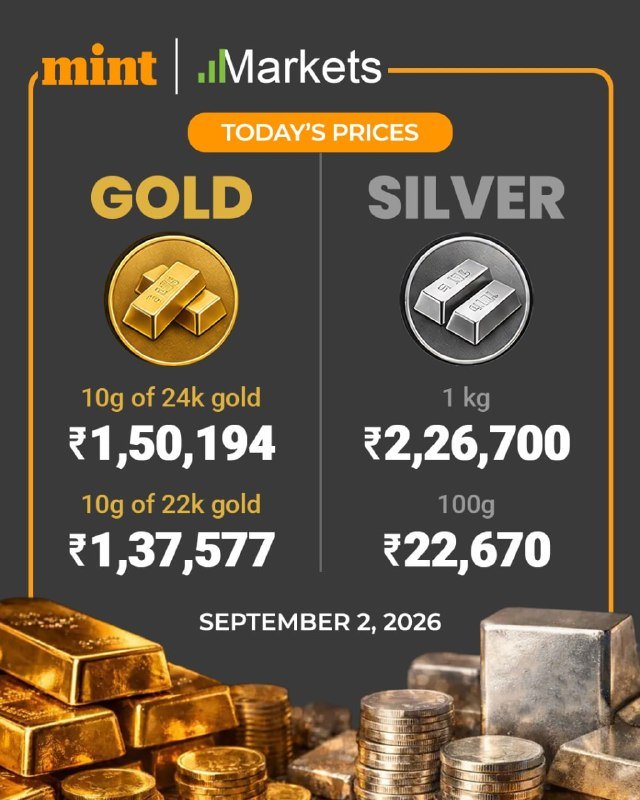
US forces struck two Iranian government tankers in the Strait of Hormuz on Tuesday 1 September 2026 under what US officials described as a new "tanker for tanker" policy, and by the Asia open on Wednesday oil had firmed, gold had sold off and rate traders were once again pricing a non-trivial chance that the Federal Reserve's easing path is interrupted. The exchange marks an escalation in tempo, not in rhetoric, and the cross-asset reaction has been just as informative as the strikes themselves.
The story, in plain terms, is that a maritime chokepoint has become a directly retaliatory domain. Until Tuesday the US-Iran contest in the Gulf had been running through proxies, sanctions and intermittent seizures; the new doctrine, as relayed by Telegram channels monitoring the brief, hardens the tanker lane into a one-for-one exchange. The financial reaction is the rest of the story: when paper barrels, war-risk premiums and front-end rates move on the same headline within ninety minutes, the market is telling you the conflict path has overtaken the deal path in its base case.
What was struck, and under what doctrine
Per a Telegram brief from ClashReport on 2 September 2026, US forces struck two Iranian government tankers on Tuesday under the new "tanker for tanker" policy, which US officials framed as a deterrent against attacks on commercial shipping in the Strait of Hormuz. The same channel, sourcing Axios, quoted a US official as saying the latest strikes "degraded Iran's ability to attack ships in the Strait of Hormuz and bought at least a month of lower threat levels for commercial shipping," a window long enough for tanker operators to reroute and for insurance underwriters to reprice war-risk premiums, and short enough that the deterrent has to be re-earned. Investing.com's economy desk reported at 04:06 UTC on 2 September that the US and Iran had "traded more strikes" as Hormuz tensions simmered, after the US military confirmed the completion of its latest wave of strikes against Iranian targets earlier the same morning (01:57 UTC on the commodities wire, 02:01 UTC on the separate strikes wire). The sequence matters: completion of the US wave, then a follow-on strike against the two Iranian tankers, then the official readout framing the month-long horizon.
How the tape moved
The cross-asset reaction was coherent. Investing.com reported at 01:57 UTC on 2 September that gold fell as oil, bond yields and Fed-hike bets climbed on the Iran escalation; a separate Investing.com tick at 01:01 UTC had oil up nearly 1% on the same news flow. By the same window, Polymarket traders were giving the US and Iran only an 8% chance of reaching a Hormuz agreement by the end of the month, a print that places the conflict path far ahead of the deal path in market expectations. Read together: paper barrels bid, duration sold, gold given back, and a deal priced as a tail outcome rather than a base case. Monexus analysis: that combination is what you get when a geopolitical shock lands on an economy the market had been assuming could keep easing, and traders start to price the risk that the disinflationary path gets pushed back. The structural frame is older than this flare-up: when a single chokepoint handles a disproportionate share of seaborne energy flows, the price of insurance, the price of paper barrels and the price of duration all move on the same headline, and they move fast.
The political signal on top of the operational signal
The Trump administration's messaging cuts against a near-term deal. In posts relayed by ClashReport and the Open Source Intel channel on 2 September, the US president said he was "not trying to force Iran to the bargaining table" and dismissed the prospect of a deal as "worthless," a stance that, if taken at face value, removes the soft-landing scenario that had supported a calmer oil tape earlier in the cycle. The Iranian side, via Tasnim's English channel on 2 September, framed the US posture in its own terms: military attacks paired with economic pressure and rhetoric directed at internal Iranian politics. Monexus reads these two messages as a bilateral signal that the operating assumption for the next thirty days is pressure rather than negotiation, with the Polymarket 8% print consistent with that read. The alternative read, that this is bargaining-by-escalation ahead of a back-channel deal, is plausible but not what the cited material establishes on its own.
What remains contested
Three things are still genuinely unresolved in the available source material. First, the operational details of the tanker strikes: the US side has named Iranian government tankers as the targets, but the cited items do not specify which vessels were struck, whether any third-party crew were aboard, or how Iran characterises the losses. Second, the duration of the "one month" reprieve for commercial shipping, which is a US official's characterisation relayed via Axios, not an independent measurement of Iranian capability, and which the Iranian side has not corroborated in the cited material. Third, the policy intent on the US side, with the president's posts leaning toward open-ended pressure while the Pentagon's operational tempo and the Axios-sourced official's framing lean toward a bounded deterrent window, a tension that the available source items do not resolve. The honest reading is that doctrine, not body count, is the news from this exchange, and doctrine is what resets the next thirty days of tanker premiums, insurance underwriting and the path of the Fed.
Monexus desk note: the wire lede across Tuesday night into Wednesday morning split between "US completes strikes" framing and "tanker-for-tanker" framing, with the energy-market reaction sitting underneath both. This piece treats the doctrine, not the body count, as the news, because the doctrine is what resets the next thirty days of tanker premiums, insurance underwriting and the path of the Fed.
Wire provenance
This editorial synthesis draws on the following public wire/social posts:
- https://www.investing.com/news/economy-news/us-iran-trade-more-strikes-as-hormuz-tensions-simmer-4885300
- https://www.investing.com/news/commodities-news/us-military-says-it-completed-latest-wave-of-strikes-on-iran-4885259
- https://www.investing.com/news/commodities-news/gold-falls-as-oil-bond-yields-and-fed-hike-bets-climb-on-iran-escalation-4885255
- https://www.investing.com/news/commodities-news/oil-up-nearly-1-as-us-and-iran-trade-fresh-strikes-4885234
- https://poly.market/gPqe4E2
- https://x.com/Polymarket/status/2094964990960718299
- https://t.me/ClashReport/94639
- https://t.me/ClashReport/94640
- https://t.me/ClashReport/94638
- https://t.me/tasnimnews_en/33782
- https://t.me/osintlive/569065
- https://www.investing.com/news/economy-news/us-iran-trade-more-strikes-as-hormuz-tensions-simmer-4885300
- https://www.investing.com/news/commodities-news/us-military-says-it-completed-latest-wave-of-strikes-on-iran-4885259
- https://www.investing.com/news/commodities-news/gold-falls-as-oil-bond-yields-and-fed-hike-bets-climb-on-iran-escalation-4885255
- https://www.investing.com/news/commodities-news/oil-up-nearly-1-as-us-and-iran-trade-fresh-strikes-4885234
- https://poly.market/gPqe4E2
- https://x.com/Polymarket/status/2094964990960718299
- https://t.me/ClashReport/94639
- https://t.me/ClashReport/94640
- https://t.me/ClashReport/94638
- https://t.me/tasnimnews_en/33782
- https://t.me/osintlive/569065