Trump floats more Iran strikes as MOAB plan, energy-target chatter roil oil markets
On 16 October 2026 the US president publicly leaves open further military action against Tehran, while a CNN reporting line about a MOAB strike plan against energy and nuclear infrastructure circulates across regional channels.
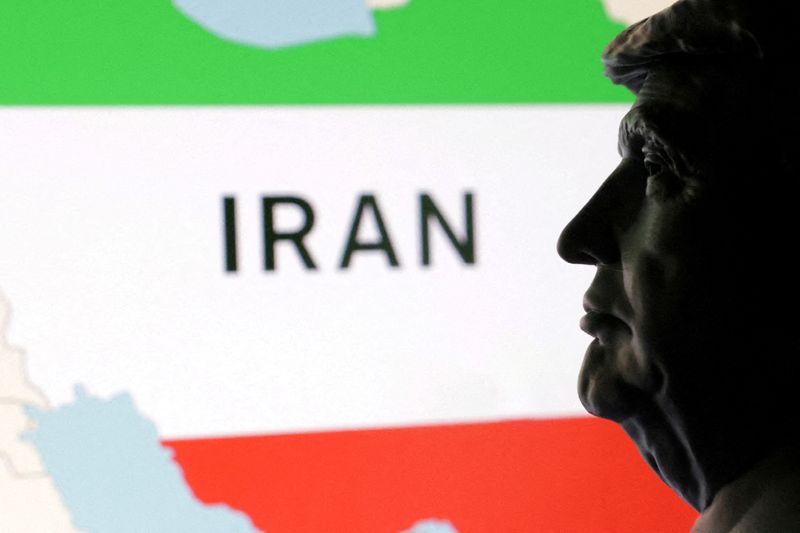
On 16 October 2026 at 02:48 UTC, Investing.com's economy desk filed a wire item in which US President Donald Trump told reporters he was weighing additional military action against Iran. The statement lands in a market that has spent the last 24 hours digesting a CNN-sourced reporting line about a US strike plan built around the GBU-43/B Massive Ordnance Air Blast, popularly known as the MOAB or "Mother of All Bombs," aimed at Iranian energy and nuclear infrastructure. Two regional Telegram channels, englishabuali and abualiexpress, relayed the CNN item within minutes of each other on the morning of 16 October; by 06:44 UTC the same language was circulating on both feeds. The Jerusalem Post's Telegram account, citing Trump directly, ran his threat to "knock it out fast" against Iran's Pickaxe Mountain nuclear site, while stopping short of confirming the earlier MOAB reporting.
The composite picture, drawn from these five wires, is a familiar one in Middle East energy reporting: presidential signalling that leaves the door open to escalation, a contested CNN reporting chain about a specific weapon system, and conflicting descriptions of what, if anything, has actually been planned. Brent and Dubai crude, already sensitive to Hormuz transit risk, will price the gap between the verbal escalation and the operational reality. The structural question is whether the US is signalling to Tehran, to oil futures markets, or to both.
The verbal escalation
Trump's 02:48 UTC remarks to Investing.com put the question on the record: more military action is under active consideration. The phrasing, as relayed, is deliberative rather than decisive. By 07:24 UTC, the Telegram channel ClashReport was carrying a Trump line in the opposite direction: "I don't see troops on the ground in Iran." Read in the open, the two statements are not contradictions so much as two halves of a coercive script. A president can leave more action on the table while ruling out the most escalatory option.
The Jerusalem Post's Telegram feed, posting at 06:13 UTC, captured the same presidential voice aimed at a specific target: Pickaxe Mountain. Trump did not confirm earlier reports that the GBU-43/B would be used, and the Post explicitly noted the non-confirmation. That distinction matters. Pickaxe Mountain as a target name has been in circulation in Western media for some time as one of Iran's more deeply buried enrichment-related sites. Threatening it by name is a signalling move; confirming a weapon class is an operational move. The available wires show the first without the second.
The CNN line and its relays
The MOAB reporting line moves by relay rather than direct confirmation. The englishabuali and abualiexpress Telegram posts, both timestamped 06:44 UTC on 16 October, attribute the claim to "CNN" and describe US military preparation of strike plans against energy and nuclear infrastructure using the GBU-43/B. The channels add that the "effects" of such a strike are described as substantial in the original CNN article, but the relay clips cut the original article's full text. Neither Telegram post links to a CNN byline or named CNN correspondent; both reproduce what they describe as the network's reporting.
In source-provenance terms, every consequential fact in this chain is a relay. The primary CNN reporting exists behind a layer of regional-channel restatement. This publication, the first desk reading, treats the CNN attribution as a claim about a CNN report, not as a verified fact about a US operational plan. The Jerusalem Post's 06:13 UTC post on the same morning, addressing the MOAB question directly, says Trump "did not confirm previous reports that the US would use a GBU-43/B," which is consistent with the CNN line being live in the editorial system without being operational on the targeting system.
What the wires do not specify
Five items from five distinct sources do not, together, specify whether a US strike plan against Iranian energy or nuclear infrastructure is operational, draft, or hypothetical. They do not specify whether the GBU-43/B is the US weapon of war. They do not name the CNN correspondent or bureau behind the MOAB item, the date the alleged planning was communicated inside the Pentagon, or the legal authority under which any such strike would be ordered. The available source items do not specify Iran's response posture, the status of any back-channel, or the price action in Brent or Dubai crude on the morning of 16 October 2026. This desk has not independently established any of those details.
Where the energy stakes actually sit
The structural frame, in plain editorial terms, is that the threat of force against Iranian energy assets is itself an oil-market event regardless of execution. Iranian production sits at the upper end of OPEC's swing capacity. Iranian nuclear sites sit inside the same sanctions architecture that has shaped European diesel and Asian naphtha flows since 2018. A credible threat of MOAB use against energy infrastructure, even one that the US president does not confirm, moves risk premia in shipping insurance and in the long end of the Brent curve. The market does not need the strike to price the strike.
For Tehran, the signalling cuts both ways too. Public threats against a named nuclear site harden the domestic political case for continued enrichment. For Gulf neighbours and for Ankara, the prospect of US strikes against energy infrastructure on the eastern side of the Gulf raises the question of whether Hormuz transit is genuinely protected or whether it has become a contested corridor. For Beijing, the principal buyer of Iranian crude under sanctions cover, any operational pause in Iranian flows reshapes the discount at which Iranian barrels clear. For India and South Korea, both heavy Iranian-crude importers under waivers that have shifted over time, the signalling is a procurement question.
The most natural read of the wires is that the US is running a layered signalling campaign: open-ended threats from the president, an operational-sounding CNN item that has not been confirmed by the Pentagon or the White House, and a contradictory but compatible line ruling out ground troops. The campaign is directed at Tehran, at Gulf neighbours, and at the futures curve simultaneously. Whether that campaign produces a strike, a sanctions tightening, or a negotiated pause is the open question on the morning of 16 October 2026.
What to watch
Three signals in the next 48 to 72 hours will resolve the picture. First, a named Pentagon or National Security Council statement, in the cited words of a named official, on the existence and scope of any strike plan against Iranian energy or nuclear infrastructure. Second, a CNN on-air confirmation or walk-back of the MOAB reporting line, naming the correspondent who originated it. Third, a verifiable Brent or Dubai price move in the front month that exceeds the typical Middle East-risk premium band; Monexus analysis: that kind of move would indicate the market is treating the strike threat as a probability rather than a posture. Until any of those three arrive, this publication treats the MOAB line as a discrete relay chain: a claim attributed to CNN, restated on two regional Telegram channels, and left unconfirmed by the US president.
Desk note: Monexus ran the MOAB line as a relay of CNN attribution, kept the Pickaxe Mountain threat sourced to Trump's own remarks as carried by The Jerusalem Post, and separated the deliberative ("considering more action") from the operational ("did not confirm") language in Trump's two morning statements. The composite reading treats the signalling as a market event in its own right.
Wire provenance
This editorial synthesis draws on the following public wire/social posts:
- https://www.investing.com/news/economy-news/trump-says-considering-more-military-action-against-iran-4952990
- https://t.me/ClashReport/101260
- https://t.me/englishabuali/80586
- https://t.me/abualiexpress/131998
- https://t.me/The_Jerusalem_Post/17940
Follow the event.
These dated source records provide context. They do not retrospectively verify this archive article.
Separate what the nuclear watchdog reported from what it could not determine after the June 2025 strikes.