Sixty Days to Nowhere: Why the Iran Ceasefire Is a Pause, Not a Peace
Talks over a 60-day ceasefire extension between the United States and Iran are reportedly advancing, but market indicators and Iranian official statements suggest the framework has clear limits — and that a durable nuclear agreement remains as distant as ever.
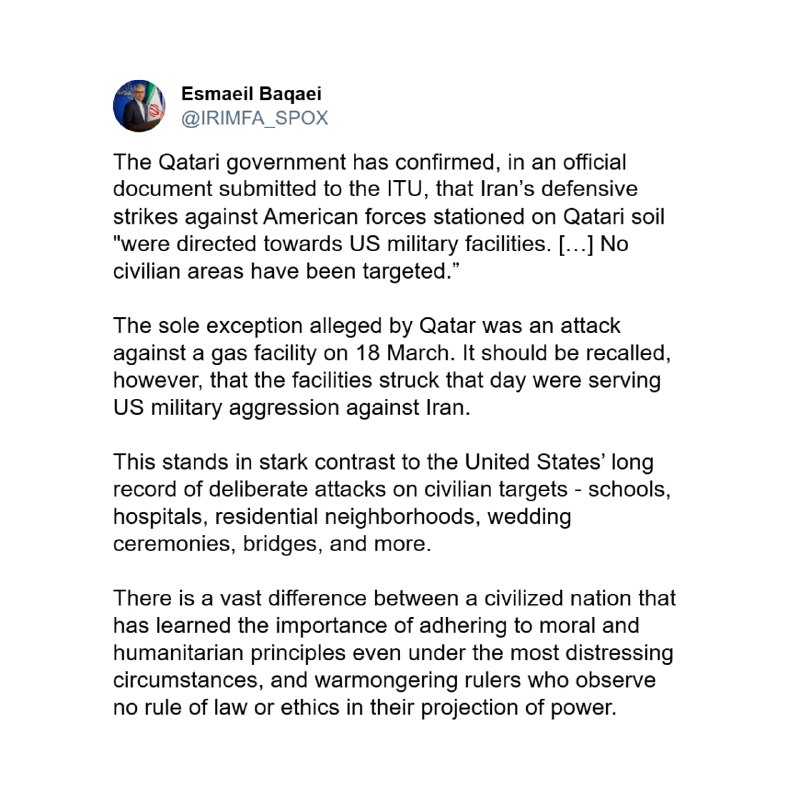
On 24 May 2026, as negotiations reportedly moved toward a 60-day extension of the ceasefire between the United States and Iran, Tehran's officials delivered a pointed message: whatever arrangement was taking shape, it would not include exemptions for Israeli operations against Iranian nuclear infrastructure. The statement, carried by Iranian state media, was the latest indication that while both sides have appetite for a temporary pause, the fundamental gaps between them remain as wide as they were before the April exchanges that brought the region to the brink of wider war.
The Polymarket data tells the story in numbers. As of 23 May, the betting market assigned an 8 percent probability to Iran agreeing to surrender its enriched uranium stockpile by the end of the month — down from 7 percent two days earlier. Those odds are not the statistical noise of a niche platform. They reflect the consensus view of traders who put capital behind their read of Tehran's negotiating posture: the Islamic Republic is not preparing to hand over its most consequential lever.
What is taking shape is a ceasefire, not a deal.
The distinction matters. A ceasefire buys time; a deal restructures incentives. The current framework, if finalized, would extend the pause in hostilities for sixty additional days, giving both sides room to negotiate. But the sources reviewed by this publication suggest the talks are focused on managing the immediate crisis, not resolving the structural conflict over Iran's nuclear programme that has defined the relationship for two decades.
The Deal on the Table
Reporting from multiple channels indicates that American and Iranian diplomats are closing in on a sixty-day extension of the existing ceasefire. The parameters remain conditional — details on verification mechanisms, sanctions relief, and the status of Iran's enrichment activities have not been finalized. But the direction of travel is clear: Washington wants a pause it can present as diplomatic progress; Tehran wants economic breathing room without conceding its nuclear assets.
The original ceasefire, which took effect following exchanges between Israel and Iran in April 2026, halted direct strikes but left the nuclear question unresolved. Iran's enrichment facilities at Natanz and Fordow continued operating. International Atomic Energy Agency inspections continued under partial access arrangements. No agreement existed on the上限 — the amount of enriched uranium Iran could retain, the timeline for any drawdown, or the sanctions architecture that would accompany it.
The sixty-day extension talks are, in this light, less a negotiation than a management exercise. Both sides are signaling that the alternative — a collapse of the ceasefire and a return to open conflict — is worse than another stretch of managed uncertainty.
Iran Draws Its Line
Iranian officials have been unambiguous about where they will not move. Reports from Iranian state media on 24 May described an exhibition in Tehran documenting the physical and economic toll of the April strikes on Iranian civilian and military infrastructure. The framing was deliberate: a public record of costs designed to reinforce the government's position that no agreement can include formal exemptions that legitimize future operations against Iranian nuclear sites.
Separate reporting from regional outlets, citing Iranian government statements, described Tehran's rejection of claims that any proposed agreement would include carve-outs for Israeli action. "Hellish response" was the characterization offered by one Iranian official — a phrase that captures both the intensity of Tehran's opposition and the domestic political constraints its leaders face in accepting any arrangement that resembles surrender.
The Polymarket odds on enriched uranium surrender — 8 percent as of 23 May — are consistent with this posture. Traders reading the same Iranian public statements this publication has reviewed are placing the probability of a comprehensive nuclear concession at roughly one in twelve. That is not optimism about diplomacy; it is a market reflecting skepticism that Tehran will capitulate on its most strategically valuable asset.
The Israel Variable
What the current framework does not contain is any mechanism to address Israeli security concerns. The ceasefire halted direct exchanges, but Israel has not formally accepted the arrangement as permanent, and Iranian officials have made clear they view any agreement that preserves Israeli freedom of action against nuclear sites as unacceptable.
This is the structural gap that no sixty-day extension can paper over. Israel wants binding constraints on Iran's enrichment capacity — an outcome that would require Tehran to concede the very capability it has spent twenty years building. Iran wants sanctions relief and the preservation of its nuclear programme as a non-negotiable sovereign right. The two positions are not currently compatible.
American diplomatic calculus introduces additional friction. Washington has signaled a preference for negotiated solutions over sustained military pressure, but the broader regional architecture — including Israeli skepticism of any deal that leaves Iran with any enrichment capacity — limits what the United States can offer as inducement.
Structural Context
The sixty-day window is real. The Polymarket data and multiple reporting channels confirm that talks are advancing and that a ceasefire extension is plausible. But structural incentives on all three sides — American, Iranian, Israeli — point toward a pause rather than a resolution.
The United States faces domestic pressure to demonstrate diplomatic traction in the Middle East and to avoid the escalation costs of a sustained conflict. Iran faces economic pressure from sanctions that have constrained its oil revenues and financial system, but has demonstrated consistent willingness to absorb pain rather than capitulate on nuclear rights. Israel faces a security environment in which any Iranian enrichment capacity, however constrained, is treated as an existential risk.
These incentives produce a ceasefire. They do not produce a deal. The sixty days, if granted, will be used by all parties to prepare for the next phase of the negotiation — or, more likely, to position for the scenario in which talks break down and the pause expires.
What Comes Next
The 60-day extension, if finalized, buys time. It does not resolve the fundamental tensions that produced the April crisis. Iran will continue enriching. Sanctions will continue biting, though perhaps with temporary partial relief that eases the immediate pressure. Israel will continue building its military options. The United States will continue seeking a diplomatic exit that it can present as success.
The 8 percent probability on enriched uranium surrender tells us something precise: the market does not believe Iran is preparing to give up its nuclear capability in exchange for a ceasefire extension and a promise of sanctions relief. That assessment tracks with what Iranian officials have said, with what Tehran's negotiating posture has demonstrated throughout the talks, and with the structural logic of a relationship in which both sides have more to lose from an agreement than from a managed pause.
The ceasefire is a tactical achievement. It is not a strategic one. And the sixty days ahead will test whether the parties can convert one into the other — or whether they will simply use the time to reset for another round of the same conflict.
This publication's coverage of the ceasefire negotiations has emphasized the ceiling on what is achievable within the current framework — a framing that differs from the more optimistic tone of some wire reporting, which has focused on the progress of talks rather than their limits.
Wire provenance
This editorial synthesis draws on the following public wire/social posts:
- https://t.me/s/Irna_en
Follow the event.
These dated source records provide context. They do not retrospectively verify this archive article.
Separate what the nuclear watchdog reported from what it could not determine after the June 2025 strikes.