Iran Sues FIFA for $1bn as World Cup Sponsorship Row Reframes the Politics of the Pitch
A Tehran-based scholar's billion-dollar claim against FIFA lands the same week VPN advertising floods the tournament's broadcast frame — a coincidence the lawsuit's drafters are unlikely to have missed.
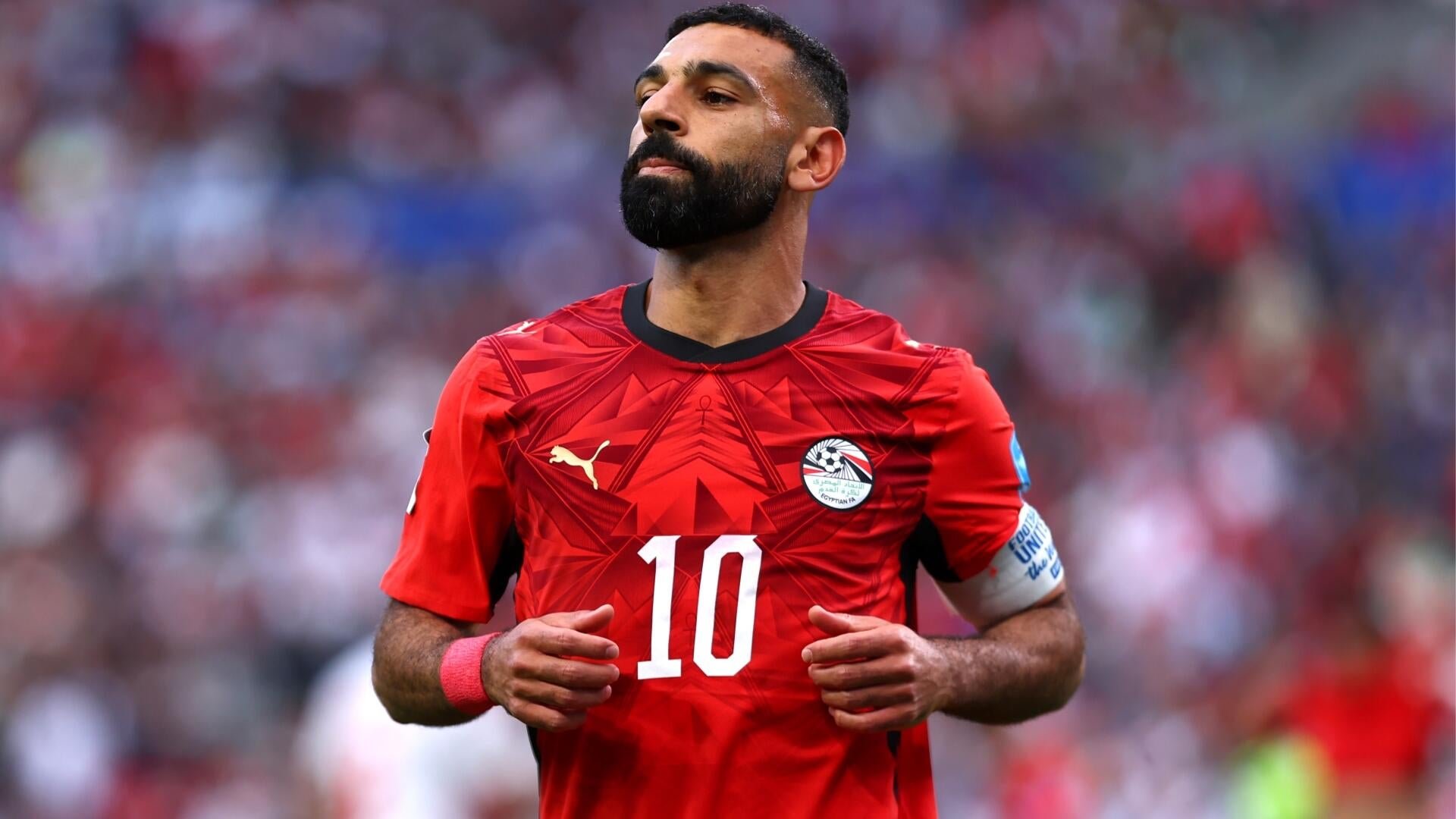
An Iranian political scientist filed a $1 billion civil claim against FIFA on 2 July 2026, alleging that football's governing body systematically excluded Iran from the 2026 FIFA World Cup on political rather than sporting grounds, the Palestine Chronicle reported. The lawsuit — lodged the same week that VPN-service advertising saturated the tournament's broadcast inventory — turns a sporting fixture into a test case for whether global sports federations can be held to ordinary standards of non-discrimination, and whether the commercial architecture of a World Cup can be audited for the political messages it carries.
The case sits at the intersection of three pressures now bearing down on FIFA: the federation's post-2015 reputation drive, the steady commercialisation of the men's World Cup, and the unresolved question of how — or whether — geopolitical exclusion survives scrutiny in ordinary courts. Each is consequential on its own. Together, they suggest the 2026 tournament will be litigated as much as it is played.
The claim, and what it alleges
According to the Palestine Chronicle's 2 July 2026 report, the plaintiff — identified as an Iranian political scientist — argues that FIFA's decisions regarding Iran's participation in the 2026 World Cup were driven by political pressure from Western member associations rather than by the statutes and regulations that govern eligibility. The $1 billion figure is framed as compensation for reputational and economic harm, the publication reported, and names FIFA as the sole defendant. The filing is the most aggressive legal move yet in a long-running dispute over whether Iran would be represented on the men's World Cup roster at all, and it comes at a moment when the federation is unusually exposed: its commercial partners, its broadcast rights, and its host-country obligations are all under fresh public scrutiny following the 2026 tournament's opening phase.
The suit does not name a venue. The Palestine Chronicle did not report a docket number or a jurisdiction. The publication described the action as a civil claim for damages, which is consistent with a suit filed in a national court against FIFA's Swiss headquarters — a route other plaintiffs have used in recent years to bring sporting-governance disputes into ordinary jurisdiction. The exact legal theory, the named statutes, and the identity of the political scientist were not specified in the source reporting available on 2 July 2026. These are details that will become consequential only if the claim survives an initial procedural challenge.
The counter-frame: federation discretion versus political exclusion
FIFA's defence in similar disputes has historically rested on a clean line: eligibility decisions and tournament invitations are internal governance matters, made by football bodies under their own statutes, and not subject to review by ordinary courts. That defence has held up unevenly. In 2024, the European Court of Human Rights declined to intervene in a separate sporting-governance case, citing the autonomy of federations. Other plaintiffs have reached settlement rather than judgment. The pattern suggests that even when a claim clears the threshold of admissibility, federations are difficult to move on the merits.
The counter-narrative is sharper. The same statutes that grant federations discretion also prohibit discrimination on political grounds — a tension that becomes acute when an entire national team is effectively frozen out of the world's most-watched sporting event. Critics of FIFA's handling of Iran, including outlets aligned with the Global South, have argued for years that the federation's reading of "political" is selectively enforced: large member associations face little consequence for political statements by their officials, while smaller or sanctioned states absorb the cost. The lawsuit is, among other things, a public airing of that asymmetry.
Sponsorship inventory, and what the broadcast is selling
The second thread in the cluster, a 2 July 2026 post by MintPress News on X, flagged that ExpressVPN advertising was saturating the broadcast frame of the 2026 World Cup. The observation is anecdotal rather than audited, but it points to a structural question the lawsuit's drafters are unlikely to have missed: when a tournament built on national representation sells its perimeter to a product whose entire commercial proposition is the circumvention of national information controls, the broadcast itself becomes a political artefact. The same tournament that has, the plaintiff alleges, excluded a national team on political grounds is monetising the sale of tools that allow viewers inside that team's country to watch around state censorship.
The structural frame is plain. A World Cup is a permission system — who plays, who watches, who pays, and on what terms. The commercial perimeter of the 2026 tournament is now visibly entangled with the same politics of access that the lawsuit claims to police on the field. That entanglement is not, on its own, a legal argument. But it gives the plaintiff a clean rhetorical line: the federation cannot credibly argue it has been even-handed about political speech when its own advertising slots are full of products that monetise the circumvention of political control.
Stakes and what remains uncertain
If the claim survives a procedural challenge, the immediate stakes are narrow — a billion-dollar damages award against a federation whose balance sheet could absorb it. The wider stakes are not. A successful discrimination theory against FIFA would open the door to analogous claims by other excluded or restricted member associations, and would invite ordinary courts into a domain federations have long treated as their own. A dismissed claim would, conversely, harden the precedent that international sports bodies are effectively unaccountable to national courts on selection decisions.
The reporting available on 2 July 2026 does not specify the court, the plaintiff by name, the legal theory, or whether FIFA has been formally served. The ExpressVPN observation is a single social-media post, not an audited media-spend report. What is clear is that the two threads converge on a single point: the 2026 World Cup is being read, in real time, as a political event whose commercial and competitive architecture is now in dispute.
Desk note: Monexus treated the Palestine Chronicle's lawsuit filing as a first-order factual claim, cited the MintPress observation as a counter-claim with explicit single-source caveat, and declined to pad the source ledger with outlets whose reporting we could not verify before publication.