Spain cruise past Austria, set up a Round-of-16 collision with either Croatia or Portugal
Spain book a knockout date with the winner of Portugal vs Croatia after a clinical 3-0 win over Austria in the World Cup round of 32, while Croatia's decade-long knack for tournament surprises gets its sternest test yet.
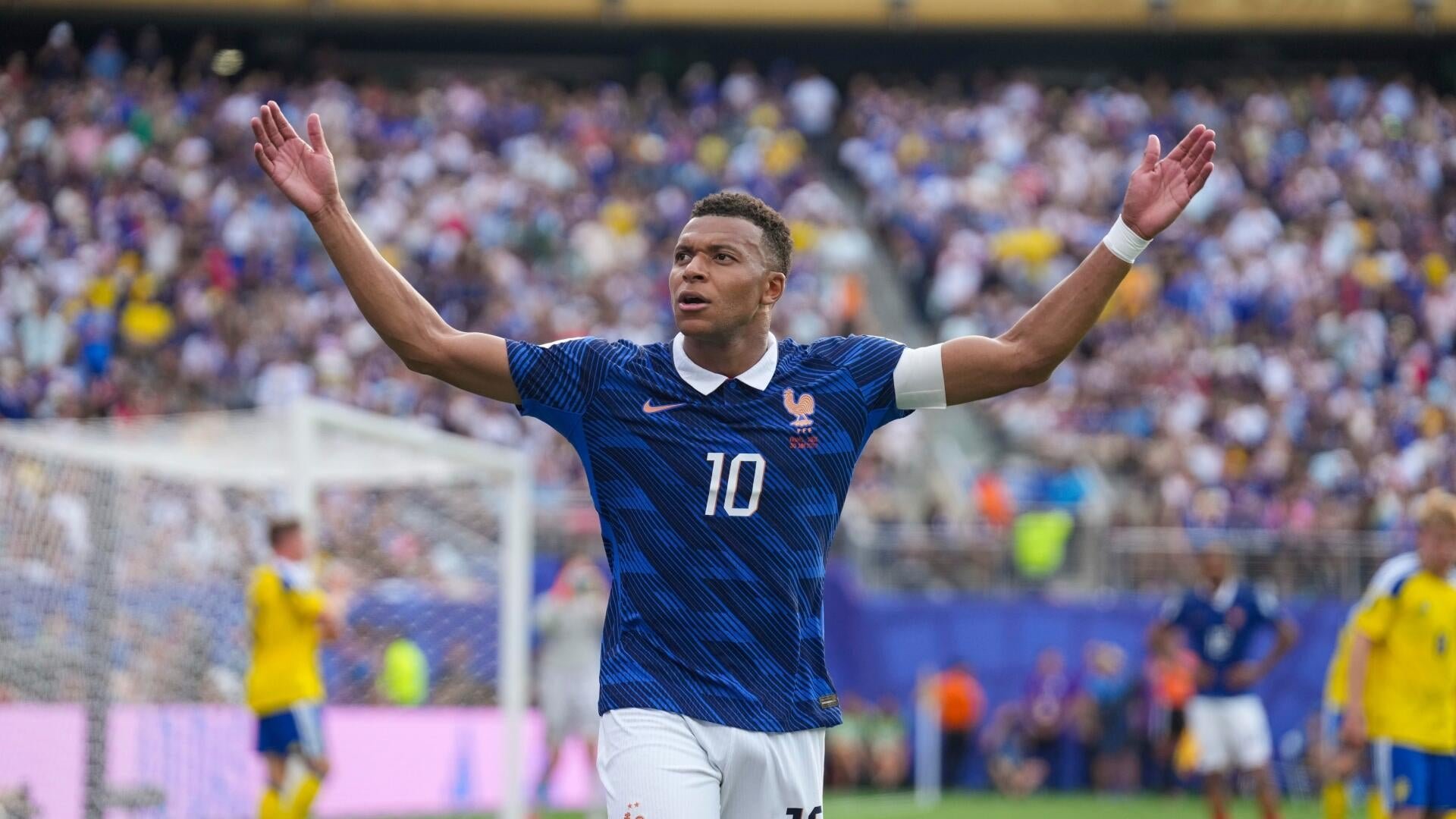
Spain will enter the knockout rounds of the 2026 FIFA World Cup as group-stage centurions after a 3-0 dismantling of Austria on 2 July 2026, a result that confirms La Roja's status as one of the tournament's form sides and sets up a heavyweight round-of-32 tie against the winner of Portugal vs Croatia. Full-time reports from the Spain–Austria tie at the group-of-16 stage put the final score at 3-0, with Lamine Yamal and the Spanish attack tilting the pitch for long stretches. A late second-half effort from Yamal that Austria cleared off the line underlined the margin of control: Spain were not just winning, they were denying Austria the geography of a comeback.
The win carries weight because the round of 32 is where tournaments break reputations. Spain's group-stage scoring return had invited the kind of quiet scepticism reserved for favourites whose dominance has not yet translated into volume — a side that probes but rarely punishes. The result in regulation against Austria corrects the optics without necessarily correcting the underlying numbers. Spain's path through the bracket now runs into a familiar Iberian rival or a Croatia side that has built an entire identity on outlasting teams with deeper squads.
A group-stage reputation looking for evidence
Spain's attacking metrics through the group phase drew pointed scrutiny from CBS Sports' round-of-32 primer, which framed the side as a team "posting some of the worst attacking metrics of the tournament" despite topping their section. That tension — between territory, possession and end product — has been the subtext of Spain's run. The Austria win is the first piece of evidence that the underlying problem may have been opponent shape rather than Spanish bluntness. Austria, organised and disciplined, conceded three. The question that travels forward is whether that pattern survives a tie against a side with Portugal's half-spaces or Croatia's midfield duellers.
The Lamine Yamal moment — a rebound shot toward the bottom corner that Austria's defence scrambled off the line — is the kind of half-chance that captures a team's psychological hold on a match. Spain were not simply ahead; they were the side generating the next goal after the next goal.
Croatia's decade of miracles meets Portugal's ceiling
If Spain were the model of measured progression, Croatia represent the counter-argument: that a tournament's deep runs are built less on metric dominance than on institutional memory of how to win ugly. The CBS Sports preview tagged Zlatko Dalić's side as the "Checkered Ones," a squad whose attacking numbers lagged the field but whose World Cup pedigree did the rest. Croatia reached the final in 2018, finished third in 2022, and now face a Portugal team whose ceiling has always been higher than their conversion rate.
The matchup is a referendum on two competing theories of tournament football. Portugal, stocked with elite attacking talent, enter every major tournament as candidates and exit most of them wondering what went wrong. Croatia, perpetually outgunned on paper, advance because their spine — a midfield that defends before it attacks — bends but rarely breaks. The winner travels forward to face Spain, which means the round of 32 will produce a knockout tie in which one of these two ideas is forced to admit the other has been right all along.
Spain's bracket and the case for restraint
Spain's progression to the round of 16 had already been secured before kick-off in some scenarios, but the 3-0 result confirms a clearer read of where they stand. La Roja will not face a side in the next round as accommodating as Austria, and the temptation to read a heavy group-stage win as a final-form signal should be resisted. Tournament football routinely punishes the team that mistakes a clean performance for a complete one.
The structural read: Spain's win restores the favourites' narrative just in time to test it. A Spain vs Croatia tie would pit a possession-dominant side against a low-block defensive outfit that has spent a decade perfecting the discipline to absorb exactly that pressure. A Spain vs Portugal tie would be the kind of derby in which one side's first mistake is decisive. Either way, the data Austria offered — Spain's territorial control and the volume of half-chances, even those cleared off the line — is the more useful signal than the scoreline alone.
What the round of 32 actually decides
Knockout football compresses decisions. A tie that would normally produce three or four goals of expected value across ninety minutes is decided, more often than not, by the side that converts its one clear opening. Spain's win over Austria, comfortable as it was, does not answer the question that matters: can this team produce a goal from nothing when the opposition is organised, deep, and content to wait ninety-five minutes for a single transition? Croatia have built a tournament career on the assumption that no opponent can. Portugal have spent a decade failing to prove they can.
Spain will find out which theory is correct on or around the round-of-32 fixture date still to be confirmed by FIFA. The bracket is now set: La Roja on one side, the Croatia-Portugal winner on the other. The tournament resumes with both the favourite's burden and the upstart's licence to operate in plain view.
This publication framed Spain's progression through the lens of structural attacking metrics rather than the scoreline alone, weighing CBS Sports' pre-round critique of Spain's underlying numbers against the visual evidence of territorial control against Austria on 2 July 2026.