U.S. crashes out to Belgium, and the post-mortem starts immediately
The U.S. men’s exit from the 2026 World Cup to Belgium set an audience record and triggered immediate questions about Mauricio Pochettino’s future.
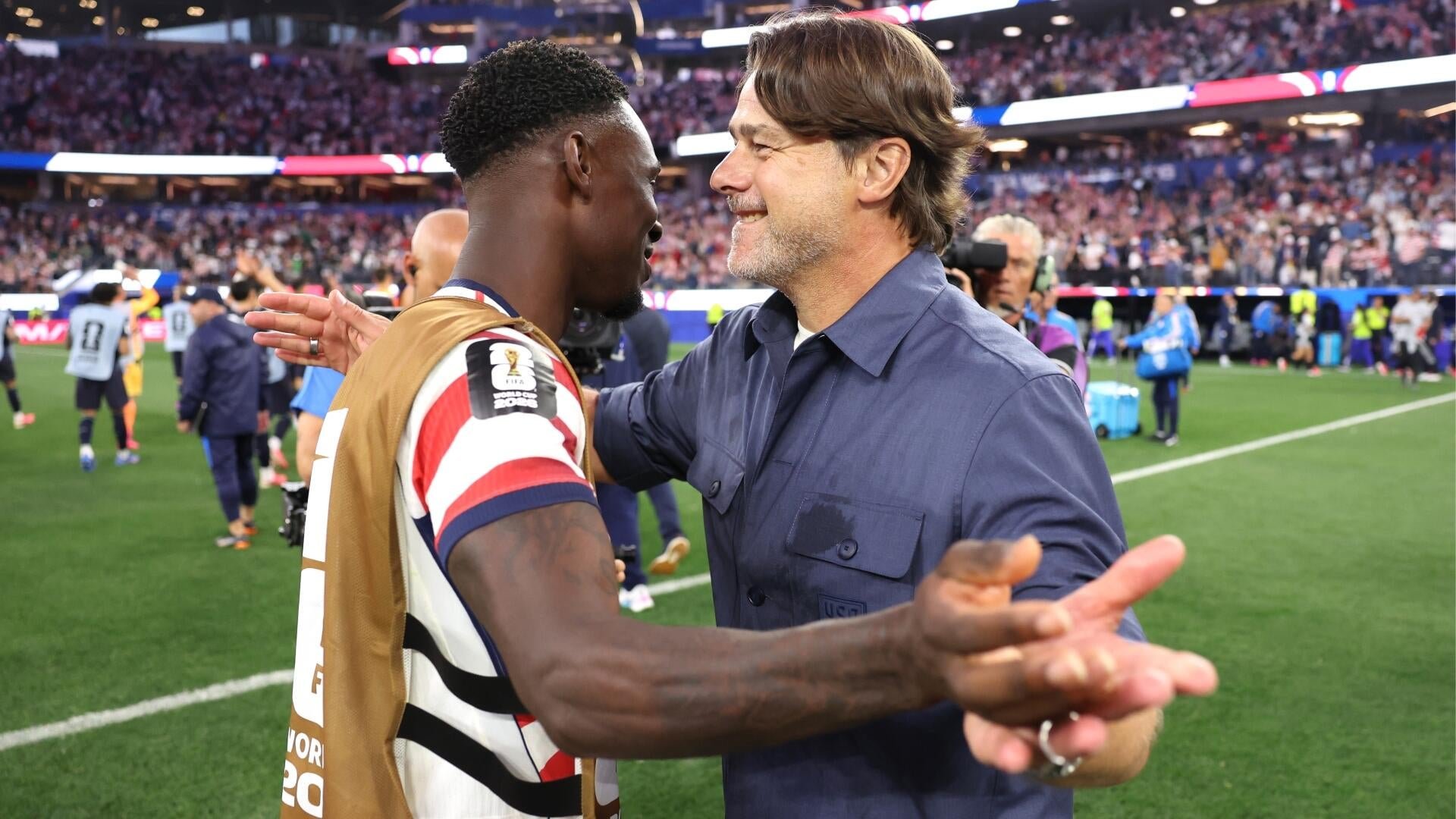
The United States men’s national soccer team went out of its home World Cup in the round of 16 on Monday, a 2-1 loss to Belgium in Seattle that Fox Sports said on Tuesday morning delivered the most-watched soccer telecast in U.S. history. The audience figure, drawn from preliminary Nielsen ratings, sets the larger story: this is a federation that drew the country in like never before and still finds itself answering the same question it answered four years ago — what now.
The defeat is the inflection point of the U.S. campaign: a tournament that began with the noise of a host nation morphing into a quiet exit interview. Each of the beats that mattered on the way out — the lineup that was trusted, the coach who would not confirm his own future, the two staff members FIFA pulled from the bench — landed within 24 hours of each other and pointed in the same direction. This is a program with momentum in the stands and unfinished business on the field, and the federation will have to decide which of those it treats as the headline.
What the night actually said
Belgium took control in the first half and the U.S. never recovered the net advantage. Pochettino’s team lined up at Lumen Field with Folarin Balogun getting the start, a selection ESPN flagged before kickoff as the Argentine’s clear choice up front. Balogun had been the lone striker in a 4-3-3 configuration designed, per the pre-match build-up, to give the United States a goal threat that could hold the ball against a deeper, more experienced Belgium midfield. The plan worked in moments; the execution did not survive the second half, and Belgium moved through the round in front of a stadium that was wired to a record audience on the other side of a screen.
The day after, the most useful single fact in the public ledger is the rating: a U.S. men’s soccer match that set the all-time domestic mark for any soccer broadcast in the country. That number, with all its caveats — preliminary rather than final, streaming-app sessions still being tallied — does the work that political rhetoric cannot. The audience arrived. The team, in the only way it could be tested on a Monday evening in July, did not.
The Pochettino question
By Tuesday afternoon, the coach’s future was the dominant question inside the U.S. federation bubble, and Pochettino did not want to answer it. In a post-match comment captured by ESPN, he told supporters to keep faith and declined to clarify whether he intended to stay on through the next competitive window. That is the careful, non-committal register of a manager who knows that his contract status is in the news cycle but does not want to be the story the day after an elimination, especially when the federation is about to begin a commercial cycle around the 2030 cycle.
Counter-read: Pochettino has been the federation’s highest-profile hire in years, brought in to professionalise a program that had been run for a generation out of the federation’s Chicago headquarters. Firing him after one home World Cup is its own decision, with its own cost. The plausible case for patience is that the manager’s analytical infrastructure, what the federation wanted when it hired him, only starts to show returns on a second cycle. The plausible case against is that the gap between talent and execution was visible in every knockout match the team has played this decade and that the manager, not the squad, is the smaller variable.
The FIFA suspension, and what it is not
Late Tuesday, FIFA suspended two U.S. federation staff from the match-day operation around the Belgium game, per ESPN. The federation did not immediately characterise the staff members’ roles or the precise rule at issue. That thinness is the point. In the immediate aftermath of a knockout defeat, a federation-level discipline story becomes a stand-in for every internal critique a beat reporter or federation critic has filed for the past two years; the temptation to read it as the start of a cascade is high. The temptation should be resisted until the sanction’s scope is on the record. Suspension of a back-room staffer for a single game is not, on its own, evidence of structural failure. It is also not, on its own, evidence of nothing.
What the audience figure actually buys
The U.S. federation’s strongest card in any post-World Cup negotiation — broadcast rights, sponsor renewals, federation Cup 2030 positioning — is the audience for this team, not the result. A viewership record travels cleanly into the boardroom; an elimination record does not. The federation can, and will, point to the rating line in every commercial conversation for the next 18 months. The harder question, the one the rating cannot paper over, is whether the audience arrives again in four years for a tournament held across three countries with a federation that has either retained or replaced its most visible asset on the technical side.
The honest reading of the night is that both of these stories are true. The team has, for the first time, made soccer a habit rather than an event for the U.S. home audience, and the team has, for the fourth consecutive knockout-stage exit, failed to translate that habit into results on the field. Neither one cancels the other. The federation’s commercial logic points to holding steady; its competitive logic is unresolved.
Nuanced read. The sources do not specify the precise rule under which the two suspended staff members were sanctioned, the final rating for the broadcast, the tactical disposition of Belgium’s goals, or whether Pochettino’s contract was triggered by any tournament-performance clause. The post-mortem written here is built only on what the available reporting makes public; the rest is still the federation’s internal business.
This piece led with the sporting result and the rating, framed the Pochettino question as one the federation has to answer rather than as a referendum on the manager, and treated the FIFA discipline story as a discrete fact rather than a metaphor for federation dysfunction.