Iraq hosts the funeral the Iranian state wants the world to remember
Tasnim frames the Karbala procession as a continental moment. The footage matters less than what the choreography is telling the region.
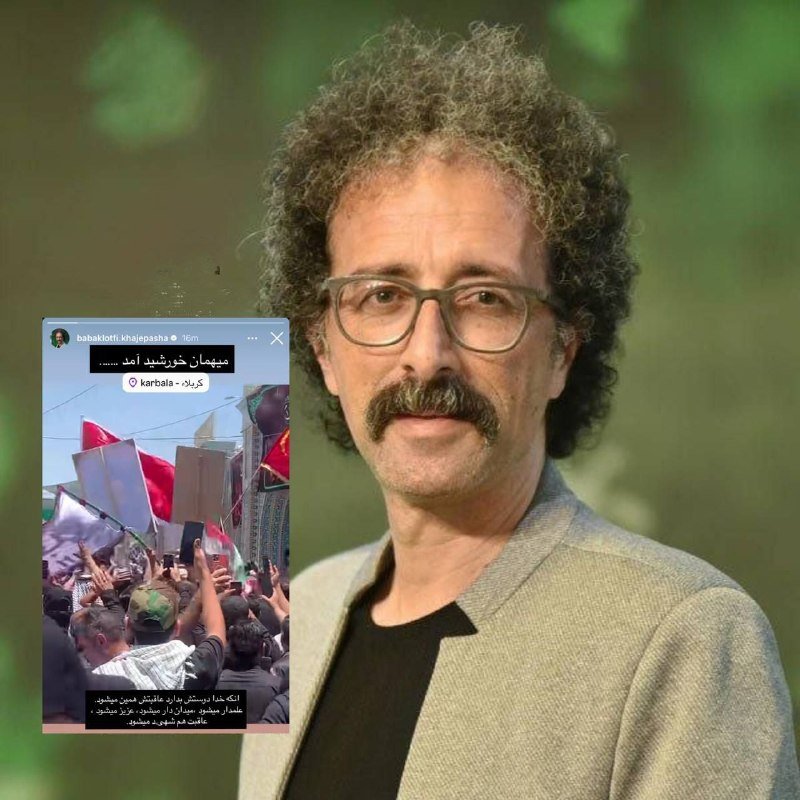
Iraq is on stage again. According to state-affiliated Iranian outlet Tasnim, a farewell procession for a senior Iranian clerical figure — referred to in the network's framing as the "Martyr Imam" — is moving through Karbala in a way the agency presents as historically unprecedented. Reporting on the dispatch began before 03:18 UTC on 8 July 2026; bulletins at 03:18, 04:02, 04:23 and 04:35 UTC describe a "magnificent burial ceremony," the staged arrival of family remains at the shrine of Imam Hussein (AS), and a crowd the agency calls "unique and stunning."
The choreography is the news. Tasnim's framing — with hashtag directives like #Badarqa_Aghai_Shahid_Iran and #must_rise — treats the Karbala send-off as a continental event, a Shia-majority public display in which Iraqi soil hosts what is, by definition, an Iranian moment.
What Tasnim is actually showing
Four dispatches over roughly ninety minutes tell a single story in stages. The first opens the ceremony. The second queues up family members' remains, presented as a deliberate visual ordering of the dead around a shrine that sits at the literal centre of Shia religious geography. The third elevates the host city — "Iraq, the host of a farewell that history will not forget." The fourth bills the crowd itself as the headline.
That sequencing matters. State-aligned outlets do not always run a procession as a coordinated multi-bulletin operation; Tasnim here is treating the Karbala event as production, not coverage.
The structural read
Karbala is not a neutral venue. The shrine of Imam Hussein sits inside a sovereign Iraqi city, governed by Iraqi law, accessible to Iranian pilgrims under arrangements that have, in previous cycles, drawn direct criticism from the Iraqi state and from Western capitals concerned about Iranian influence in Iraqi religious infrastructure. By placing the procession there — and broadcasting it as a continental moment — Iranian state media is performing a long-running claim: that the geography of Shia authority runs through Tehran as much as through Najaf or Karbala.
The hashtag layer makes the same point in tag form. #Badarqa_Aghai_Shahid_Iran binds the cleric to the Iranian state in a single token. #must_rise is the call to action. These are not news tags; they are message discipline.
Counter-framing on the desk
A Western wire on the same event would lead with Iraqi sovereignty and with the political economy of Iranian pilgrim traffic — the chartered flights, the leased logistics, the political weight of clerics appointed through Tehran-aligned networks. That framing is grounded; it would name the Iraqi interior ministry's role, the currency flows, the constraint Baghdad faces when a host city becomes, in effect, a state broadcaster's backdrop.
Tasnim's framing — Iraqi soil as a stage for an Iranian story — is the counter-narrative, with the Iraqi government barely visible in the agency's captions. Both frames contain truth. The contest between them is real and ongoing, and it will shape how the Karbala shrine functions as a site of authority over the next decade.
What the evidence does and does not show
Tasnim provides no casualty figures, no routings of the procession inside Karbala, no official Iraqi comment, and no independent crowd estimates beyond the agency's "unique and stunning" characterization. The agency does not name the cleric in the four threads under review; "Imam Martyr" and Badarqa_Aghai_Shahid_Iran are the only identifiers available. Without that name, the underlying political event behind the pageantry cannot be properly contextualised from these dispatches alone. The most honest reading is also the narrowest: what we can verify is that Iranian state media staged a four-bulletin production centred on Karbala in the early hours of 8 July 2026, and that the Iranian state wants the production read.
The stakes are larger than one procession. If Iraqi territory continues to function as a venue at which Iran projects Shia-wide religious and political authority without parallel Iraqi ownership of the frame, then the Iraqi state's position in its own shrine cities will erode further than it already has. If, by contrast, Baghdad begins to treat these broadcasts as international-media incidents requiring co-equal domestic coverage, the centre of gravity around Karbala will move — slowly, and visibly.
This piece was framed against Tasnim's own bulletins rather than against the Western wire line, which had not filed on the Karbala event as of the early UTC hours of 8 July 2026.
Wire provenance
This editorial synthesis draws on the following public wire/social posts:
- https://t.me/s/tasnimnews_en/181500
- https://t.me/s/tasnimnews_en/181501
- https://t.me/s/tasnimnews_en/181502
- https://t.me/s/tasnimnews_en/181503