A Drone, Eighty Strikes, and the Question of What the United States Is Actually Doing in Iran
In the early hours of 8 July 2026, Iranian state media reported a US drone downed in the country's south, hours after US Central Command said it had struck more than eighty targets across Iran. The two claims cannot both be quiet.
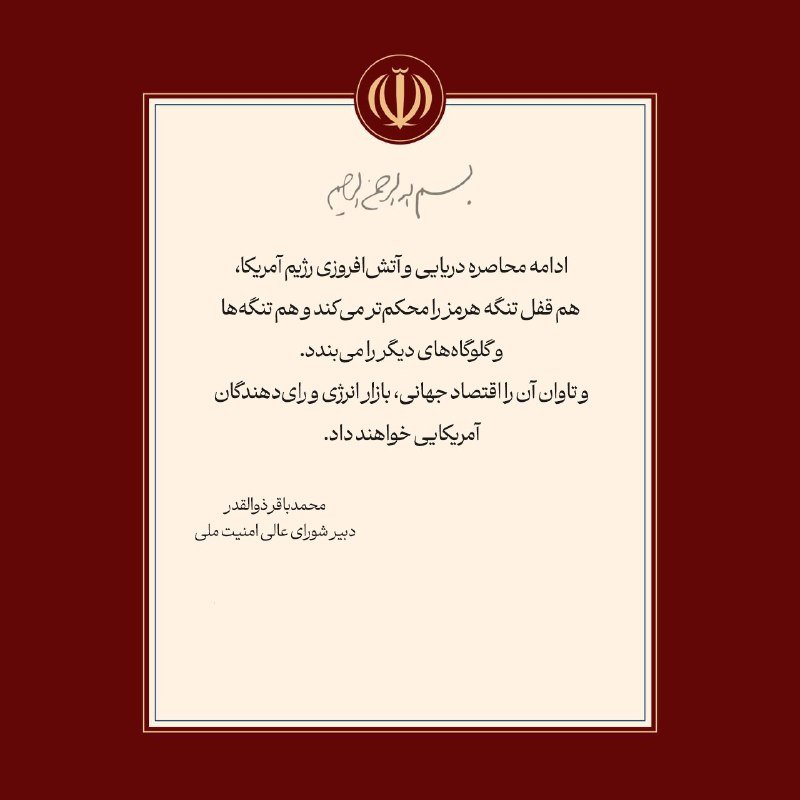
At 02:14 UTC on 8 July 2026, the United States military announced it had struck more than eighty targets inside Iran. Just over an hour later, at 03:45 UTC, Iranian state media reported that a US drone had been downed in the country's south. If both statements hold, the United States is now engaged in a two-directional air campaign against a country of nearly ninety million people — striking targets while losing platforms — and nobody in Washington or Tehran has yet stepped in front of a camera to explain what the operation is for.
The pattern on the night of 7–8 July fits a familiar cycle. A volley of strikes is announced. A counter-claim of an intercept or shoot-down arrives within minutes. Western wires carry the US announcement; Iranian-aligned channels carry the Iranian claim; the international press settles into an "exchange of strikes" framing that elides the asymmetry of who is invading whom. This publication finds that the asymmetry, not the symmetry, is the story.
What was actually announced
The first public input on the night came from US military channels and was relayed by accounts including OSINTLive at 02:14 UTC: the United States said it had struck over eighty targets in Iran on 8 July. No target list, no munitions count, no geographic breakdown accompanied the announcement in the source material reviewed. The number — eighty — is large enough to imply a coordinated, multi-site package rather than a single retaliatory strike; small enough not to look like a regime-decapitation effort.
The second input came from Iranian state media at 03:45 UTC, again via OSINTLive, claiming that a US drone had been downed in southern Iran. A separate thread on Intelslava at 03:10 UTC described Iranian missile strikes, characterised by the channel as having hit their targets while air defences failed to intercept them — a claim sourced to Iranian-aligned reporting, not independently confirmed.
Two of those three claims are Tehran's, not Washington's. None of the three is yet corroborated outside the channels that first carried them.
The counter-claim is the lead
The instinct of most Western desks will be to lead with the eighty strikes — they are the larger kinetic event, the action of a superpower against a regional adversary, the headline the wires can attach datelines to. That instinct is wrong, or at least incomplete. A drone down in southern Iran is a tactically different kind of event: it implies Iranian air-defence capability, it implies a cost imposed on the US side, and it implies an Iranian government willing to publicise that cost rather than absorb it quietly.
Iranian-aligned coverage, including Intelslava's own brief note, tends to depict Iranian missile forces as effective and US air defences as overwhelmed. That framing should not be accepted uncritically either. Iranian state media has a documented interest in projecting strength during asymmetric exchanges; the same sources that tonight describe "air defences fail[ing] to intercept" are the same outlets that have, in past episodes, amplified battlefield claims that later did not survive contact with independent imagery. Treat the Iranian framing as a primary source for what Tehran wants its domestic and regional audiences to hear, not as a stand-alone factual basis.
What does survive both readings is that something came down, that Iran says it was a US drone, and that the United States has not, in the source material available as of this writing, confirmed or denied the loss.
What the framing obscures
Strip the competing narratives back and the structural question is straightforward. The United States is conducting sustained strikes on Iranian territory in 2026. Whatever the proximate trigger — and the source material under review does not specify one — that decision sits inside a longer pattern of escalation between Washington and Tehran that has run through sanctions, proxy fights in Iraq and Syria, the Israeli-Iranian shadow war, and intermittent nuclear-file diplomacy.
Coverage routinely defers to the language of official spokespeople on both sides. The eighty strikes are reported as "the US military says"; the downed drone as "Iranian media says." Both formulations are accurate to the source. Neither tells the reader who authorised the strikes, against which specific facilities, under what legal framework, or with what theory of how this ends. The omission is not accidental — operational security is a real constraint — but a press that treats an unannotated strike campaign as routine is a press that has stopped asking the central question: what is the objective, and is it achievable at an acceptable cost?
What remains uncertain and what to watch
The sources do not specify the type of US drone reportedly downed, the Iranian system credited with the intercept, the location within southern Iran, or whether Iranian missile activity on the night is operationally linked to the US strike package or a separate response being sequenced in parallel. None of the claims reviewed carries independent OSINT verification in the material under review — no satellite imagery, no flight-tracker data, no second-source military confirmation. The eighty-target figure, likewise, originates with the US military itself and has not been independently catalogued.
What to watch over the next twenty-four to seventy-two hours: a US Central Command press briefing naming targets and platform losses; Iranian state-media footage of wreckage with serial numbers; any movement at the UN Security Council; and, most importantly, an explicit statement of political objective from Washington. Without that last item, the strikes are an event in search of a policy.
This is also where the cost is. Eighty-plus targets inside Iran is a major act of war against a country that has not attacked the United States. The Iranian counter-claim of a downed drone is the first indication of a bill coming due. A public that has been told the strikes are "measured" deserves to know what they cost, what they buy, and what comes next — from the side that ordered them, not only from the side that absorbed them.
Desk note: Western wire coverage of the night of 7–8 July will likely lead with the US strike announcement as established fact and the Iranian drone-down claim as unverified counter-claim. This publication treats them as parallel claims requiring parallel verification — and treats the silence on US objectives as itself the most important fact on the page.
Wire provenance
This editorial synthesis draws on the following public wire/social posts:
- https://t.me/osintlive/
- https://t.me/osintlive/
- https://t.me/intelslava/