Djokovic's five-hour Wimbledon quarterfinal rewrites the record book — and the question of who inherits his throne
A 38-year-old outlasts a 25-year-old across 5 hours 15 minutes — the longest Wimbledon quarterfinal on record — and the sport is left to ask what comes next.
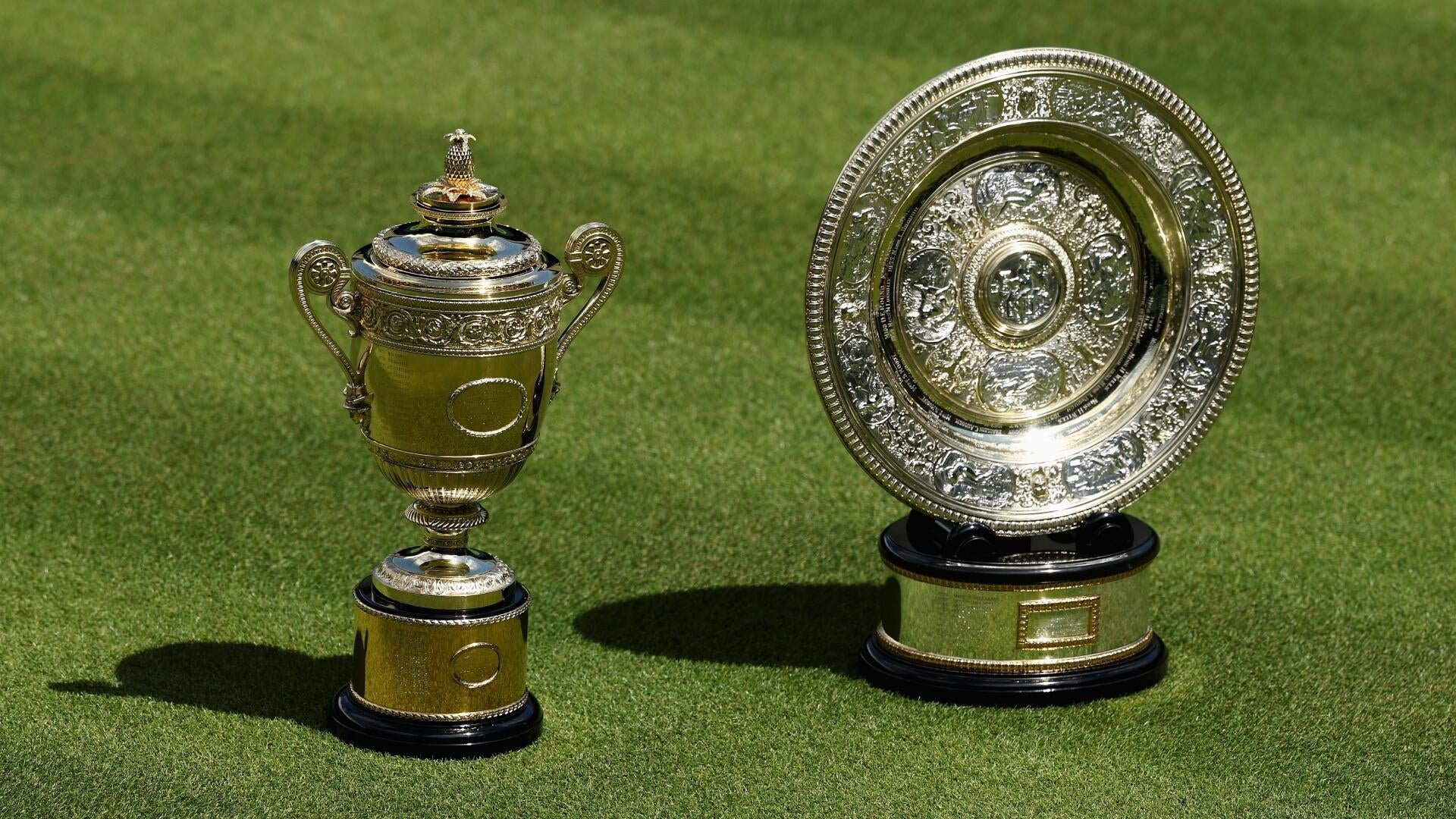
At 22:57 UTC on 7 July 2026, after five hours and fifteen minutes on Centre Court, Novak Djokovic sealed a 7-6 (10), 3-6, 6-3, 6-7 (4), 7-6 (4) win over Canada's Felix Auger-Aliassime to reach a record-extending eighth Wimbledon men's singles semifinal, according to ESPN's match report. It was, per The Indian Express's wire of the same result, the longest Wimbledon quarterfinal in the tournament's recorded history.
The body of work is no longer in dispute. The question of what survives Djokovic's retirement is.
A record that outgrew the bracket
Djokovic's streak of semifinal appearances at the All England Club now stands at eight — a mark no other man in the Open Era has approached at a single major, let alone Wimbledon. The win over Auger-Aliassime, the No. 3 seed, did not arrive cleanly. Djokovic dropped the second and fourth sets, saved set points in the first-set tiebreak, and was extended to a deciding fifth-set tiebreak before closing out a player more than a decade his junior. The five-hour, fifteen-minute duration, as logged by The Indian Express, eclipses every previous quarterfinal the tournament has staged.
There is a temptation to read the marathon as a sign of Djokovic's slowing. The scoreline suggests the opposite: an older champion absorbing the best shot a top-three seed could produce across more than five hours of grass-court tennis, and still finding a tiebreak when it mattered. The 38-year-old continues to convert small edges into set points in the moments other players' legs fail them.
The counter-read: the field closes in
The other reading is more uncomfortable for the Djokovic camp. Auger-Aliassime, a 25-year-old whose game was once considered too soft for grass, took the Serb to the absolute limit on the surface he has owned for nearly a decade. Two tiebreaks in a five-setter is not dominance; it is survival. The younger man's serve held, his forehand found the lines when it mattered, and the only thing that separated the two was a handful of points in two tiebreaks — coin-flips that fell the older champion's way.
If a top-three seed can stretch Djokovic to a deciding tiebreak on his best surface, the next generation's problem is no longer access. It is closing.
What the bracket actually shows
The structural read is straightforward. Grand Slam tennis in 2026 is no longer a two-man aristocracy — it has not been since Federer and Nadal faded — but neither is it the wide-open scramble the tour press releases insist on. The depth is real: seeded players are taking sets off Djokovic, Auger-Aliassime is contesting majors on grass, the Next Gen cohort produces a new semifinalist every season. What remains scarce is the closing ability — the capacity to win a fifth-set tiebreak against a 24-time major champion, on Centre Court, with the scoreboard tight.
That scarcity is what Djokovic still sells. Whether the market for it survives his last Wimbledon is the question the next twelve months will answer.
The stakes, plainly stated
If Djokovic wins this title, the conversation resets to the all-time leaderboard and away from succession. If he loses in the semifinal or final — to Carlos Alcaraz, Jannik Sinner, or whoever emerges from the bottom half — the post-match debate will turn immediately to who inherits the grass-court throne. Auger-Aliassime, on the evidence of 7 July, has announced himself as a credible candidate. So, more quietly, has the depth of the draw that pushed the great champion to the longest quarterfinal of his career.
What the source reporting does not yet tell us is the semifinal opponent. The draw details beyond Djokovic–Auger-Aliassime were not included in the items available to this publication; the bottom-half matchup that will determine who faces Djokovic remains, in this wire, an open question. That is the kind of gap a tournament's next forty-eight hours will fill.
Desk note
Wire coverage of this match ran on Djokovic's historic streak and on the duration record. This publication framed the result around the succession question the streak itself raises — because a record-extending semifinal appearance, when the holder is 38, is not just a personal milestone. It is also the bracket's quiet deadline for who comes next.
Wire provenance
This editorial synthesis draws on the following public wire/social posts:
- https://en.wikipedia.org/wiki/Novak_Djokovic
- https://en.wikipedia.org/wiki/2026_Wimbledon_Championships_%E2%80%93_Men%27s_singles