Djokovic's five-hour grind at Wimbledon is a reminder that his era refuses to end on schedule
A 5-hour, 15-minute quarterfinal, an eighth Wimbledon semifinal and another match that asked a 38-year-old body to do things the sport no longer demands of its heirs.
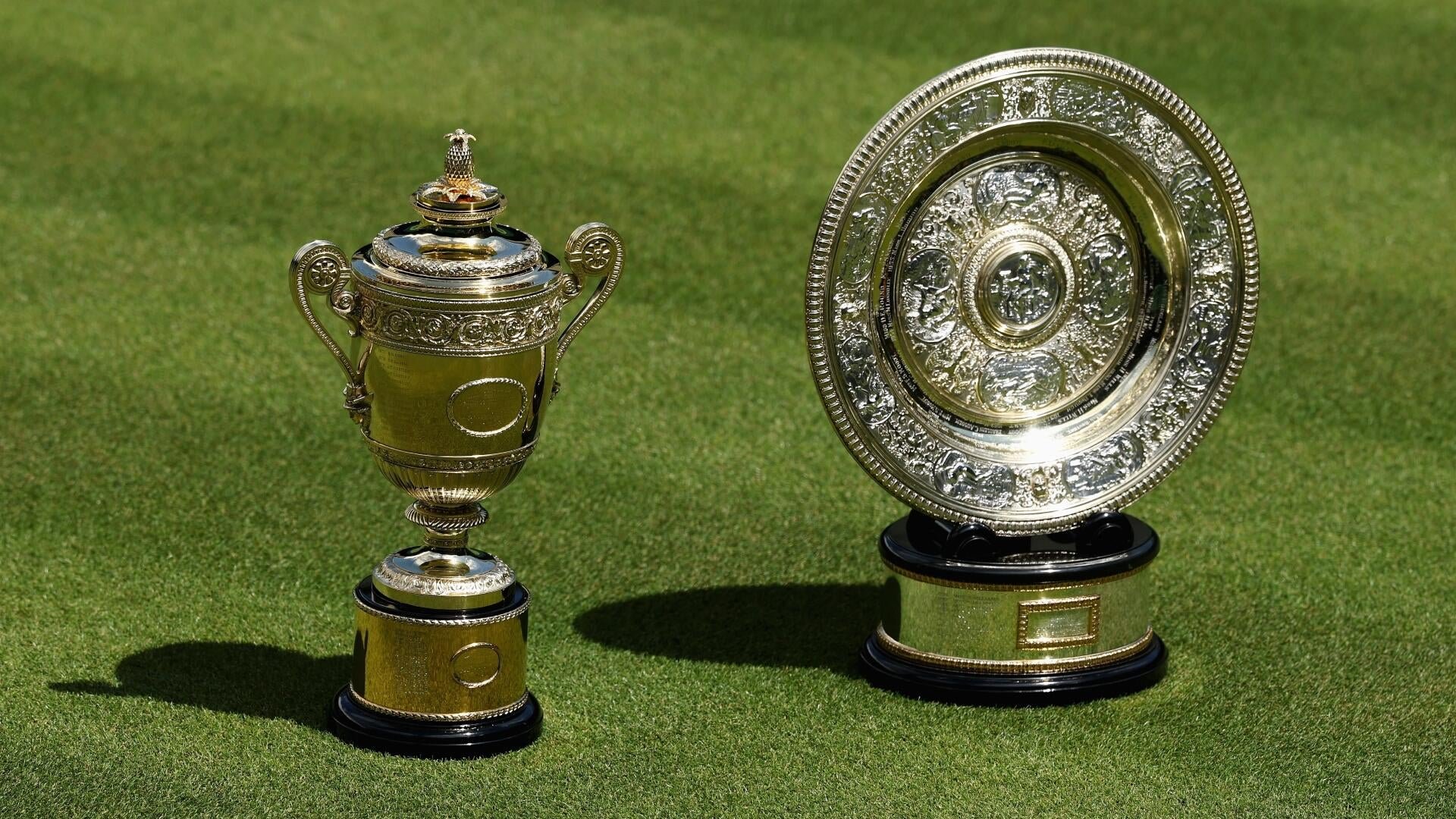
Novak Djokovic needed five hours and fifteen minutes to put Felix Auger-Aliassime away on Tuesday, and the story of this Wimbledon was written in the closing games of a fifth-set tiebreak that the 38-year-old Serbian simply refused to lose. The 7-6 (10), 3-6, 6-3, 6-7 (4), 7-6 (4) result, reported by ESPN on 7 July 2026 at 22:57 UTC, did more than book a place in the last four — it extended Djokovic's streak of Wimbledon semifinal appearances to a record eight and, in the process, produced the longest quarterfinal in the tournament's modern records.
The takeaway is not that Djokovic is back. He has not been away. The takeaway is that the men's tour, for all the noise around its next generation, still cannot find a way to put him on the plane home before the second week.
A match that asked for everything
The numbers do most of the talking. Five hours and fifteen minutes of play, two fifth-set tiebreaks, a fourth-set wobble that could have ended the run, and a final-set tiebreak in which Auger-Aliassime, the No. 3 seed and one of the cleanest ball-strikers on tour, simply ran out of road. ESPN's dispatch carried the scoreline and the duration; the Indian Express, syndicating its own report at 22:52 UTC the same evening, framed the contest as the longest Wimbledon quarterfinal on record. Both accounts converge on a single fact: this was a match that demanded everything, and the older man produced it.
That matters for the bracket. An eighth Wimbledon semifinal — a record in the Open Era — places Djokovic two wins from a trophy that would do nothing to settle the GOAT argument (that argument is settled) and everything to reshape the present-tense leaderboard. The men's tour has spent two seasons trying to write him out of the script. The script keeps getting reprinted.
The generation that keeps catching up
Auger-Aliassime is not a stand-in for "the kids." He is 25, a former US Open semifinalist, and one of the few players in the draw with the first-strike forehand to make Djokovic defend his backhand corner for five sets. He led at various points. He won the fourth set with the authority of a player who has stopped being a prospect and started being a problem. And he still went home.
The pattern is familiar by now. The post-Big-3 cohort — Sinner, Alcaraz, Rune, Auger-Aliassime, the occasional cameo from Medvedev or Zverev — has the weapons. What it keeps running into on grass is a man whose grass-court IQ was forged in a different era of the sport, when five-set marathons were settled by nerve as much as by groundstrokes. On Tuesday at the All England Club, nerve was the only stat that mattered.
What the records do not capture
Five hours and fifteen minutes is the headline number, but the more revealing figure may be the 38 in Djokovic's age column. The men's tour's load-management consensus — the unspoken agreement that bodies over 33 should be wrapped in cotton wool between majors — treats matches of this length as anomalies to be prevented, not as the point of the exercise. Djokovic treats them as the point of the exercise. The length is not the story. The fact that he chose it, and that the draw kept handing it to him, is the story.
There is also a counter-narrative worth naming. Auger-Aliassime did not lose this match; Djokovic won it. The Canadian served for a place in the semifinals in places, held his level through two tiebreaks, and produced the kind of tennis that will win him a major in the next 18 months if he stays patient. The framing of "the old man refusing to leave" flatters Djokovic and flattens everyone else. A more accurate frame is that the field is closing in, and the closing has not yet finished.
Stakes for the rest of the fortnight
The next match will tell us something the quarterfinal did not. Djokovic's opponent on Friday will arrive with two extra days of rest and a draw that has, by definition, thinned out the men most likely to push him. If the body holds, the record books get louder. If the body finally files a grievance, the tour gets the post-Djokovic opening it has been politely deferring for two seasons.
For now, the brackets say only that Novak Djokovic is two matches from another Wimbledon final, and that the rest of the draw has been put on notice by a five-hour reminder that the era does not end on schedule. It ends when the man playing it decides it does.
This article reports a single result from the 2026 Wimbledon Championships. Monexus read the ESPN match report and the Indian Express syndicated recap as the primary wire inputs; no further editorial commentary has been added beyond the framing above.