Belgium cruise past USA and into a Spain quarter-final — but the Balogun row still hangs over the tournament
Belgium dispatch the USA 3-0 to set up a heavyweight quarter-final with Spain, even as a pre-match suspension row involving Folarin Balogun refuses to go away.
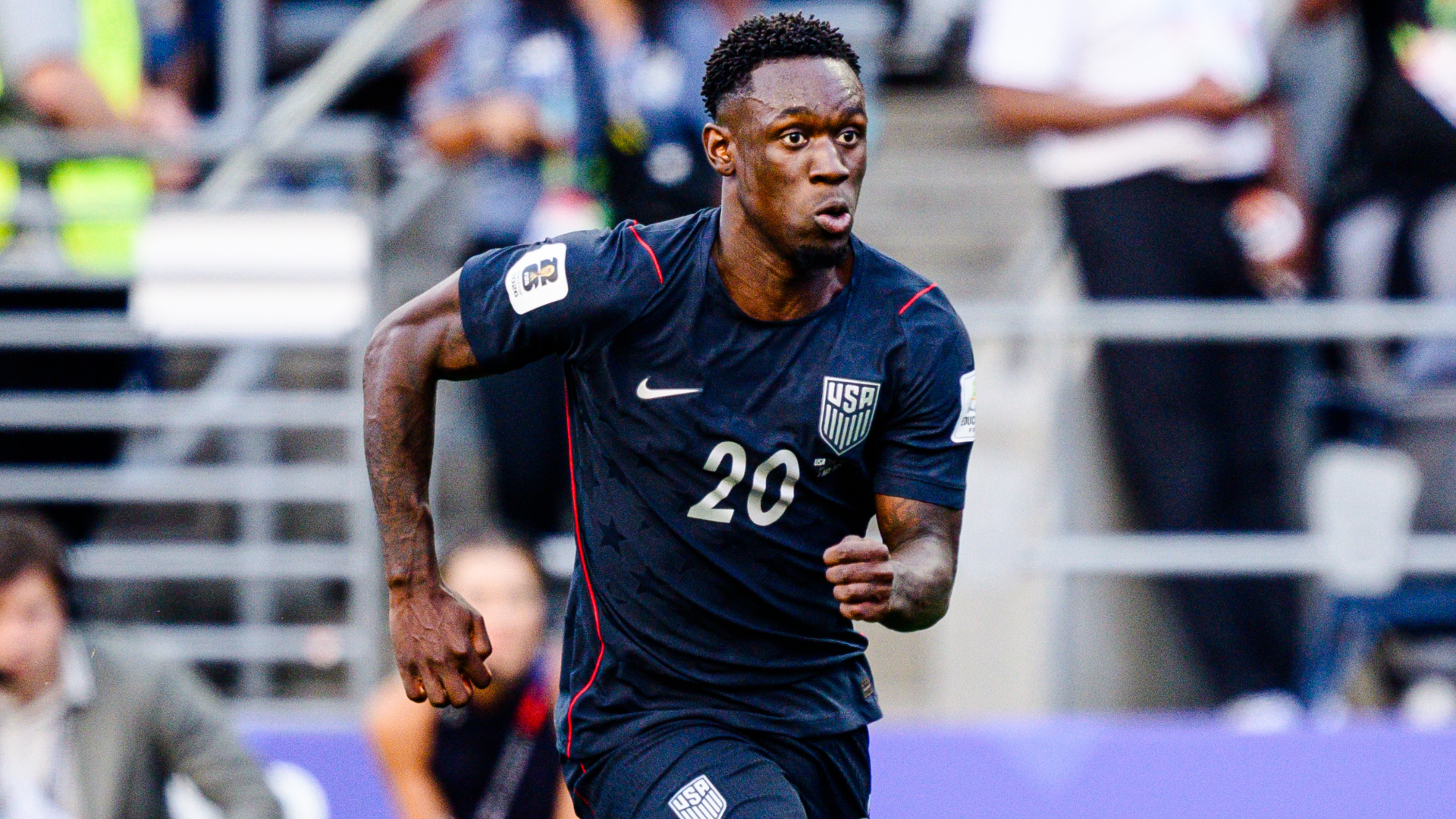
Belgium booked a quarter-final against Spain with a comfortable 3-0 win over a defensively ragged United States in the round of 16 on 7 July 2026, a result that papered over a more uncomfortable storyline: the Folarin Balogun suspension controversy that had consumed the build-up to the match. The USA, so often touted as a coming force in international football, simply never settled, and Belgium's older hands — efficient, organised, unsentimental — punished every lapse.
The night in summary was the night Belgium intended. Whether it tells us anything new about either side is the more interesting question, because the contest was preceded by an off-pitch storm that the scoreline does not resolve.
A scoreline that flatters the winner, and a defence that does not flatter the loser
The Belgian gameplan was direct and unromantic: get the ball forward quickly, let the forwards run at a back line that had been America's strength all tournament, and dare the central defenders to step into midfield. The USA, for their part, looked nervy from the first whistle — the kind of hesitancy that comes from carrying a tournament's worth of expectation and a 48-hour news cycle about a striker who, until minutes before kick-off, had not been certain to play.
Belgium's opener came from a turnover in midfield, the second from a set piece the USA failed to clear, and the third from a counter-attack that exposed the channel outside the American right-back. None of the goals required a moment of individual genius; all of them required the sort of concentration that the USA, on this evidence, cannot currently summon. The 3-0 scoreline, per the BBC Sport match report published at 02:39 UTC on 7 July 2026, was a fair reflection of the run of play.
The Balogun question that did not go away
The match itself was, in the end, almost incidental to the issue that had dominated the previous 72 hours. Folarin Balogun — born in the United States, raised partly in England, capped at senior level by the United States after representing them at youth level, then reportedly the subject of a delayed suspension notification from a confederation body — was at the centre of an administrative mess that left his eligibility for the knockout tie genuinely uncertain until shortly before kick-off. The CBS Sports betting bulletin published at 23:23 UTC on 6 July 2026 noted the controversy by name, with promotional copy leaning hard on the fact that punters would not have known Balogun's status until close to kick-off.
That is not a story about a single player. It is a story about administrative competence, about the paperwork that decides whether a footballer earns his cap on the night he is most needed, and about a federation that has spent the past decade branding itself on player choice — "choose your club, choose your country" — only to find the choice itself can be undone from above.
What a Spain quarter-final actually means
Belgium now face Spain, the most-fancied side in the tournament, in a quarter-final that will be played on a date the BBC match report did not specify beyond confirming the match-up. Spain's underlying numbers at this tournament have been stronger than Belgium's; their pressing structure is the model the rest of Europe has spent four years trying to copy. Belgium's route through has required fewer minutes of football than the USA's, and their squad has not yet been asked to chase a game.
Two ways to read this. The optimistic Belgium case is that a side built on collective organisation has been allowed to conserve energy, and that against a possession-dominant opponent, counter-attacking football — exactly the mode that produced the third goal — has the cleanest path to a semi-final. The pessimistic Belgium case is that Spain have not yet faced a team with Belgium's specific blend of physical centre-forwards and experienced midfield runners, and that the gap in technical quality will tell over ninety minutes.
Stakes and the structural frame
The Balogun row is not just colour. It speaks to a broader problem in international football administration: eligibility disputes that should be settled months before a tournament are being decided in news cycles, and the bodies charged with resolving them are increasingly outpaced by the information environment in which they operate. For a US Soccer Federation that has spent the post-2018 cycle building around dual-national players, the optics of having a cap effectively contested by a notification delay are brutal.
For Belgium, the structural frame is simpler: they are the side that, for the past four years, has been told its golden generation is over, and that keeps producing tournament wins. The Spain game is a test of whether that pattern continues or whether the ceiling finally reasserts itself. For the USA, the tournament ends not with a breakthrough but with a question: whether the investment in the player pathway has yet produced a side that can hold its shape when the opposition is grown-up and the margin for error is zero.
The remaining unknown — and it is a real one, not a polite diplomatic hedge — is whether the Balogun matter produces any further consequence from FIFA, or whether it is filed away as the kind of administrative hiccup that gets remembered only by the player it inconvenienced. Both outcomes are plausible. The evidence so far does not let us choose between them.
— Monexus framed this match less around the scoreline and more around the administrative story that consumed its build-up; the wire read was more straightforwardly results-driven.